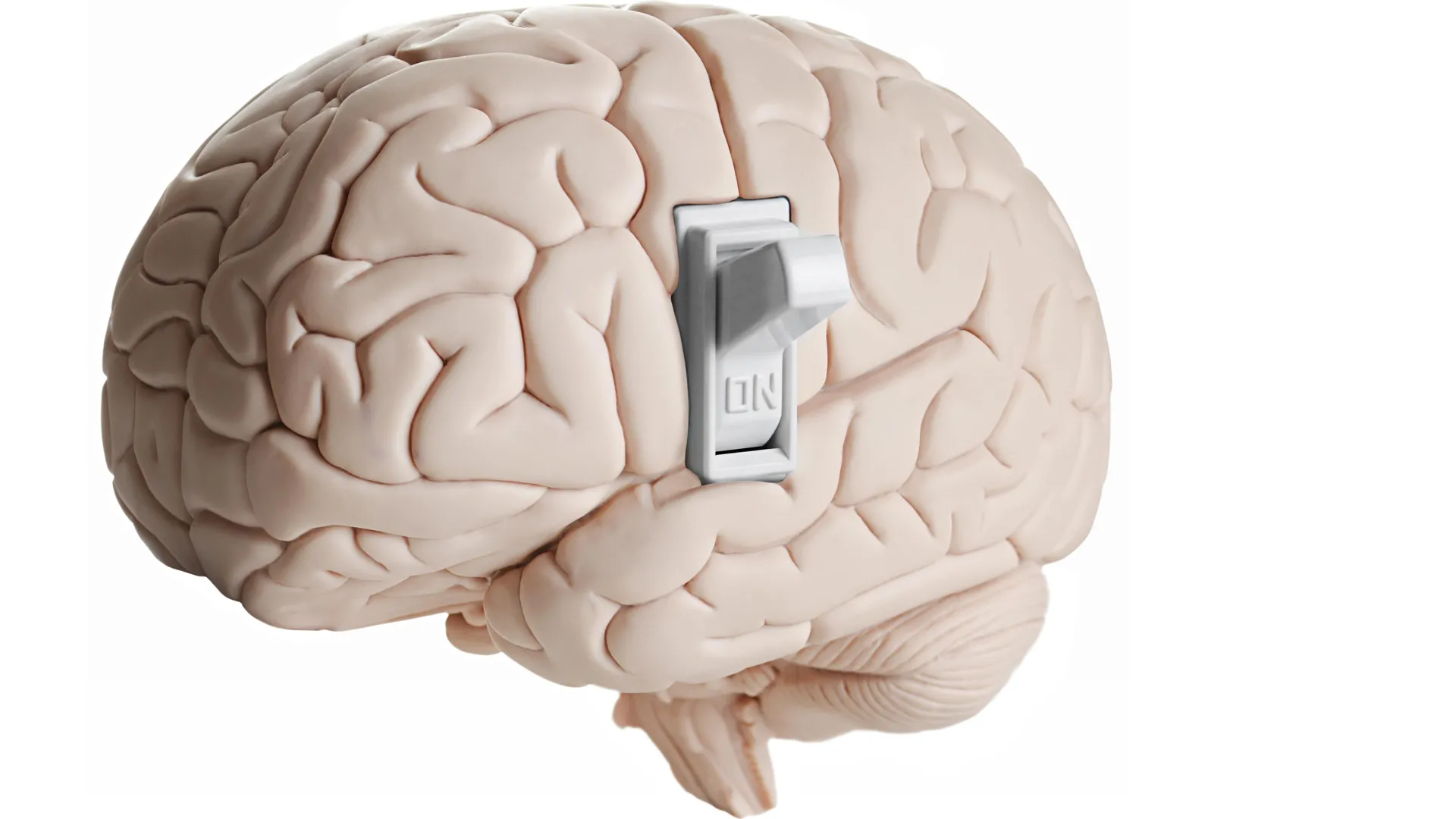
Brain's 'Feel Good' Chemical May Actually Worsen Tinnitus, Study Finds
Scientists discover serotonin-driven brain circuit linked to tinnitus-like behavior, potentially explaining why SSRIs can increase ear ringing.
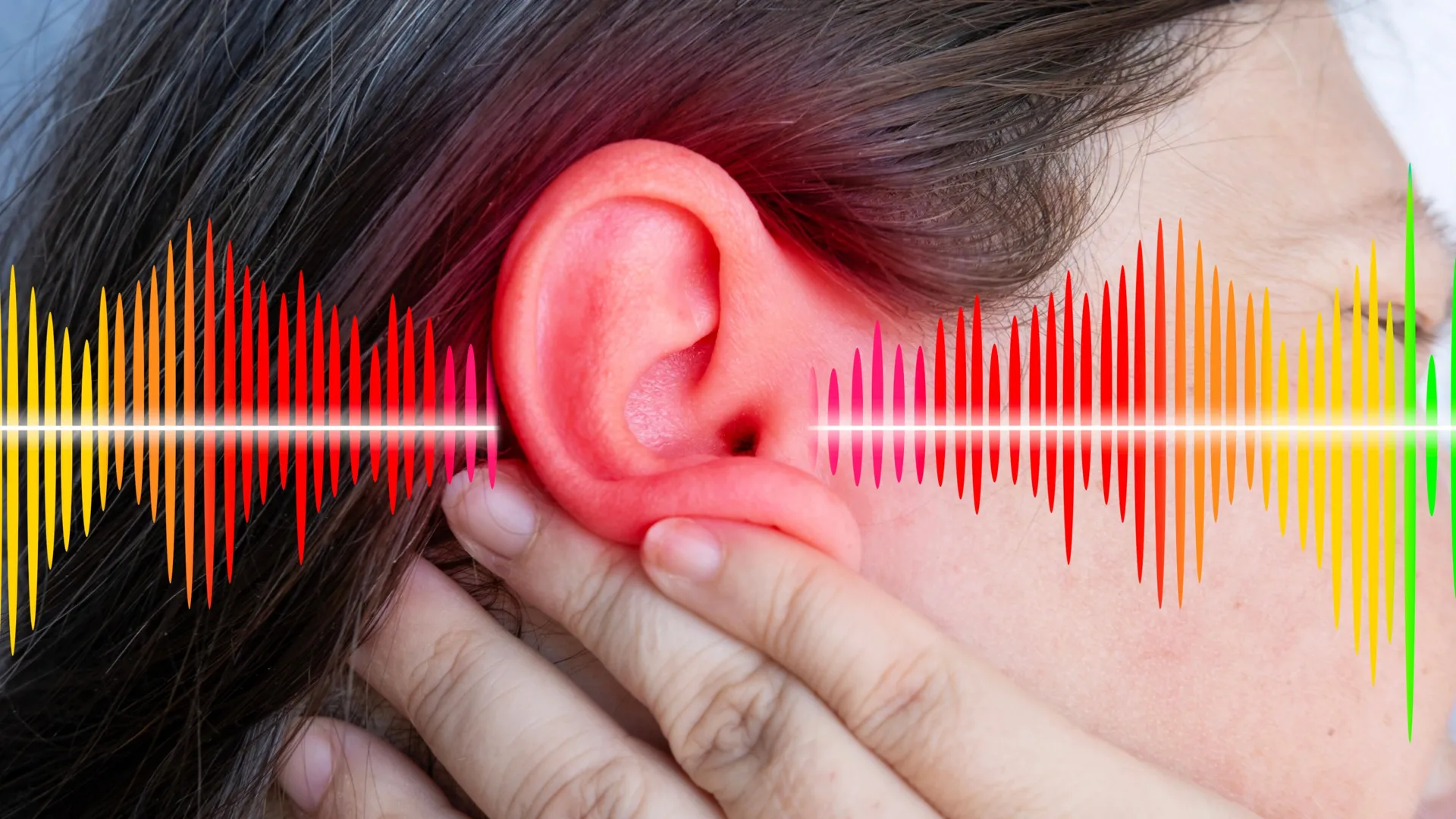
Scientists have uncovered concerning evidence that serotonin, the brain chemical commonly boosted by antidepressants to improve mood, may actually worsen tinnitus—the persistent ringing or buzzing in the ears that affects millions worldwide. Research published in the Proceedings of the National Academy of Sciences reveals a previously unknown serotonin-driven brain circuit that directly connects to the auditory system and can trigger tinnitus-like behavior in laboratory studies.
The breakthrough came from a collaborative team at Oregon Health & Science University and Anhui University in China, who used advanced light-based brain stimulation techniques to study mice. By targeting neurons that produce serotonin with optogenetics—a method using fiber optics and light to activate specific brain cells—researchers demonstrated that increasing serotonin levels also increased behaviors associated with tinnitus. The findings could have profound implications for the estimated 14% of people globally who experience this condition.
Co-senior author Laurence Trussell, a professor of otolaryngology at OHSU School of Medicine, emphasized the clinical significance for patients taking selective serotonin reuptake inhibitors (SSRIs). "People with tinnitus should work with their prescribing physician to find a drug regimen that gives them a balance between relief of psychiatric symptoms like depression and anxiety, while minimizing the experience of tinnitus," Trussell explained. The research validates patient reports of medication-associated increases in tinnitus that clinicians should recognize and address.
Zheng-Quan Tang from Anhui University, who co-authored the study, described the specific mechanism they discovered: "We've found a specific brain circuit involving serotonin that goes straight to the auditory system, and found that it can induce tinnitus-like effects. When we turned that circuit off, we were able to ameliorate the tinnitus significantly." This discovery builds on previous research from 2017 and provides the clearest picture yet of how serotonin influences hearing-related brain regions.
The research utilized a modified auditory startle test to measure how mice responded when scientists stimulated serotonin-producing neurons, revealing the direct connection between this neurotransmitter system and tinnitus symptoms. These findings suggest new therapeutic possibilities for treating tinnitus while also helping doctors better understand why some patients experience worsening symptoms when taking commonly prescribed antidepressants that affect serotonin levels in the brain.