Barnes & Noble CEO Embraces AI-Written Books as Publishing Industry Evolves
James Daunt says he would support selling artificial intelligence-authored books in stores as company adapts to technological changes.
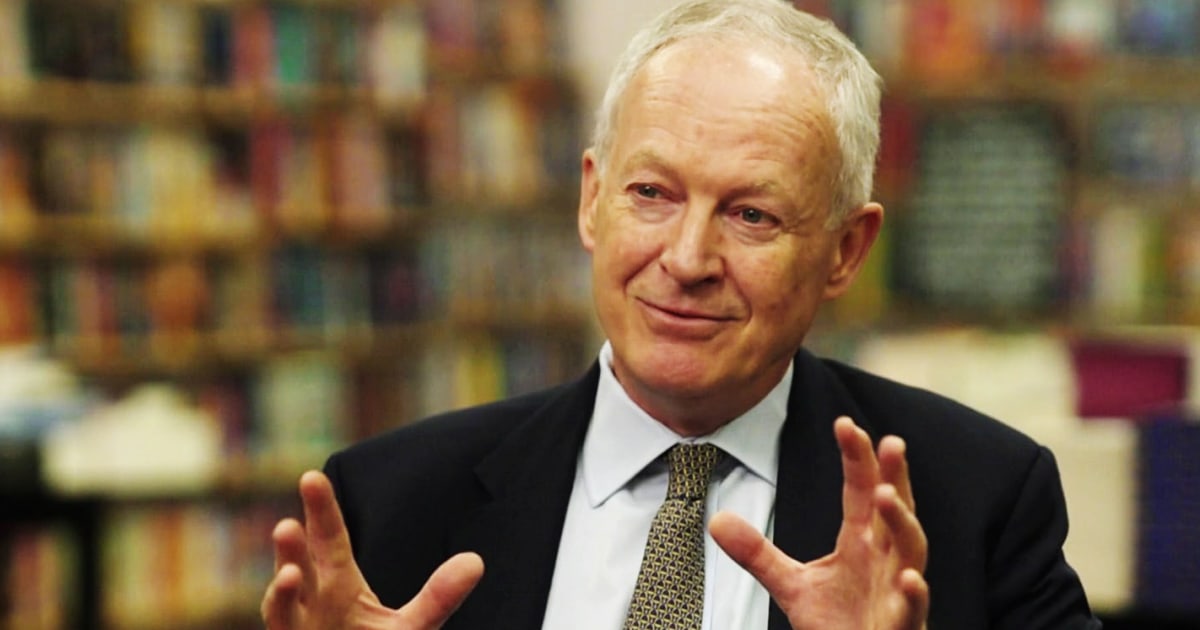
Barnes & Noble CEO James Daunt has signaled his willingness to sell books written by artificial intelligence in the bookstore chain's physical locations, highlighting how traditional retailers are adapting to rapid technological changes transforming the publishing industry. Daunt's openness to AI-authored content represents a significant shift for one of America's largest remaining bookstore chains as it navigates an evolving literary landscape.
The CEO's position reflects broader changes sweeping through the book publishing world, where artificial intelligence tools are increasingly being used for everything from writing assistance to complete book generation. Daunt has built his reputation on adapting Barnes & Noble to industry changes, having previously helped stabilize the company through the rise of e-books, online retail competition, and changing consumer reading habits.
Daunt's willingness to embrace AI-written books comes as the technology rapidly improves and becomes more accessible to publishers and independent authors. Some AI-generated books have already appeared on major online platforms, raising questions about quality control, authorship disclosure, and the future role of human writers in the publishing ecosystem.
The decision to potentially stock AI-authored books reflects Barnes & Noble's pragmatic approach to staying relevant in a competitive retail environment. The company has survived numerous industry disruptions by adapting its business model and embracing new formats and technologies rather than resisting change. Daunt's leadership has focused on curating appealing selections for customers regardless of how those books are produced.
However, the move could generate controversy among traditional authors, publishers, and readers who value human creativity and are concerned about the implications of AI-generated content. The publishing industry continues to grapple with questions about proper labeling of AI-assisted or AI-generated works, copyright issues, and maintaining quality standards. Barnes & Noble's approach to these challenges could influence how other major retailers handle the growing presence of artificial intelligence in book publishing.