A Landslide Buried Three Houses in Baguio
The Habagat Has Now Hit Nearly 586,000 Filipinos Across Nine Regions.
The Office of Civil Defense counts 12 dead, eight missing and 11 injured. The national police, counting differently, put the toll at 15.
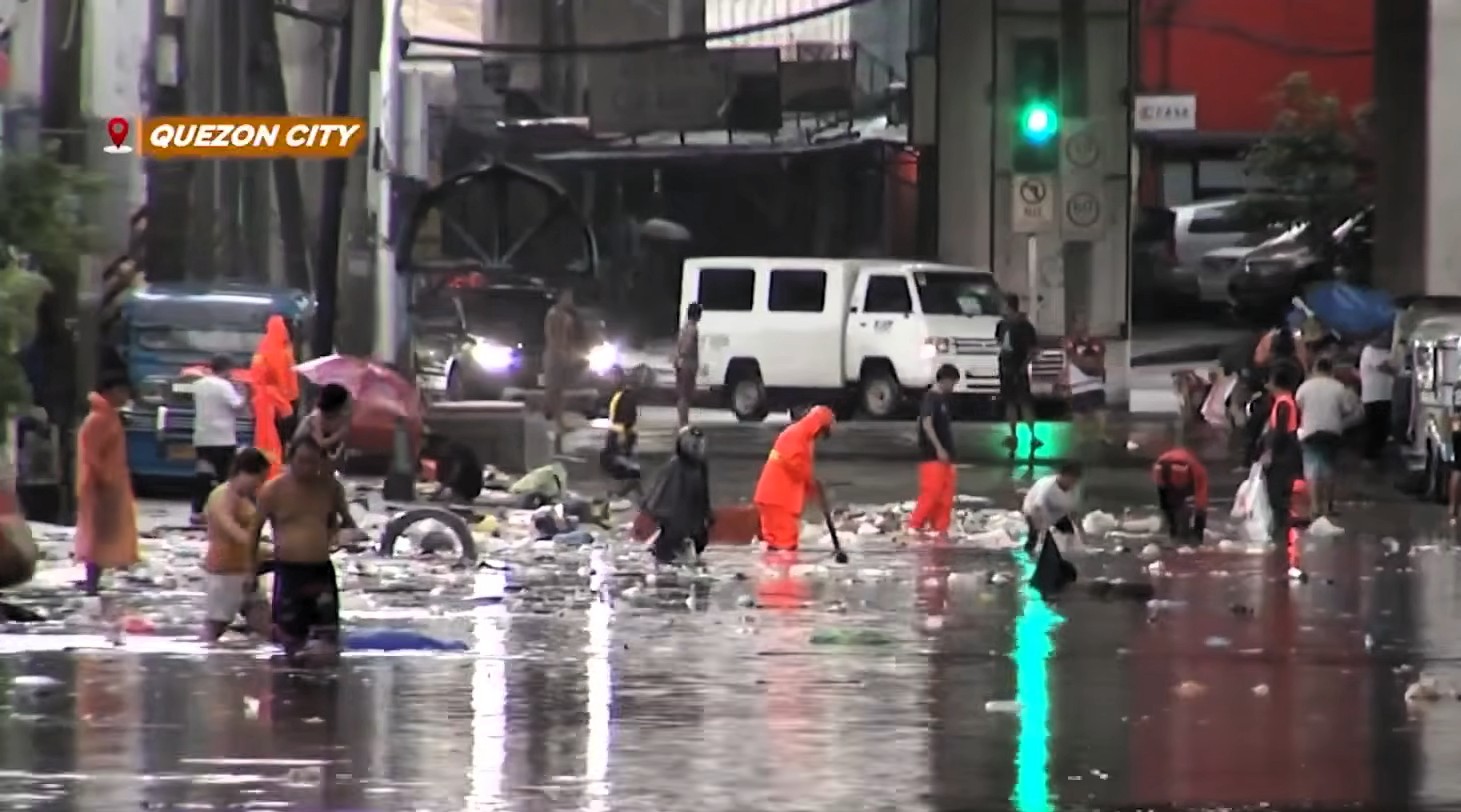
At least 12 people are dead, eight are missing and 11 are injured after days of rain from the enhanced southwest monsoon battered the northern Philippines, the Office of Civil Defense said Monday, as floodwaters closed roads across Metro Manila and shut down schools and government offices in 16 jurisdictions.
The deaths recorded by the OCD as of 11 a.m. Monday were concentrated in the Cordillera Administrative Region and Calabarzon. The missing were reported in the Cordillera, the Ilocos Region and Batangas. Central Luzon and the Ilocos Region accounted for the largest numbers of affected residents overall. The Philippine National Police, which tallies separately and faster, put the count at 15 dead and six missing — four fatalities in Baguio City, one in Batangas, and two each in Rodriguez, Rizal, and La Trinidad, Benguet, nearly all caused by landslides or rockslides.
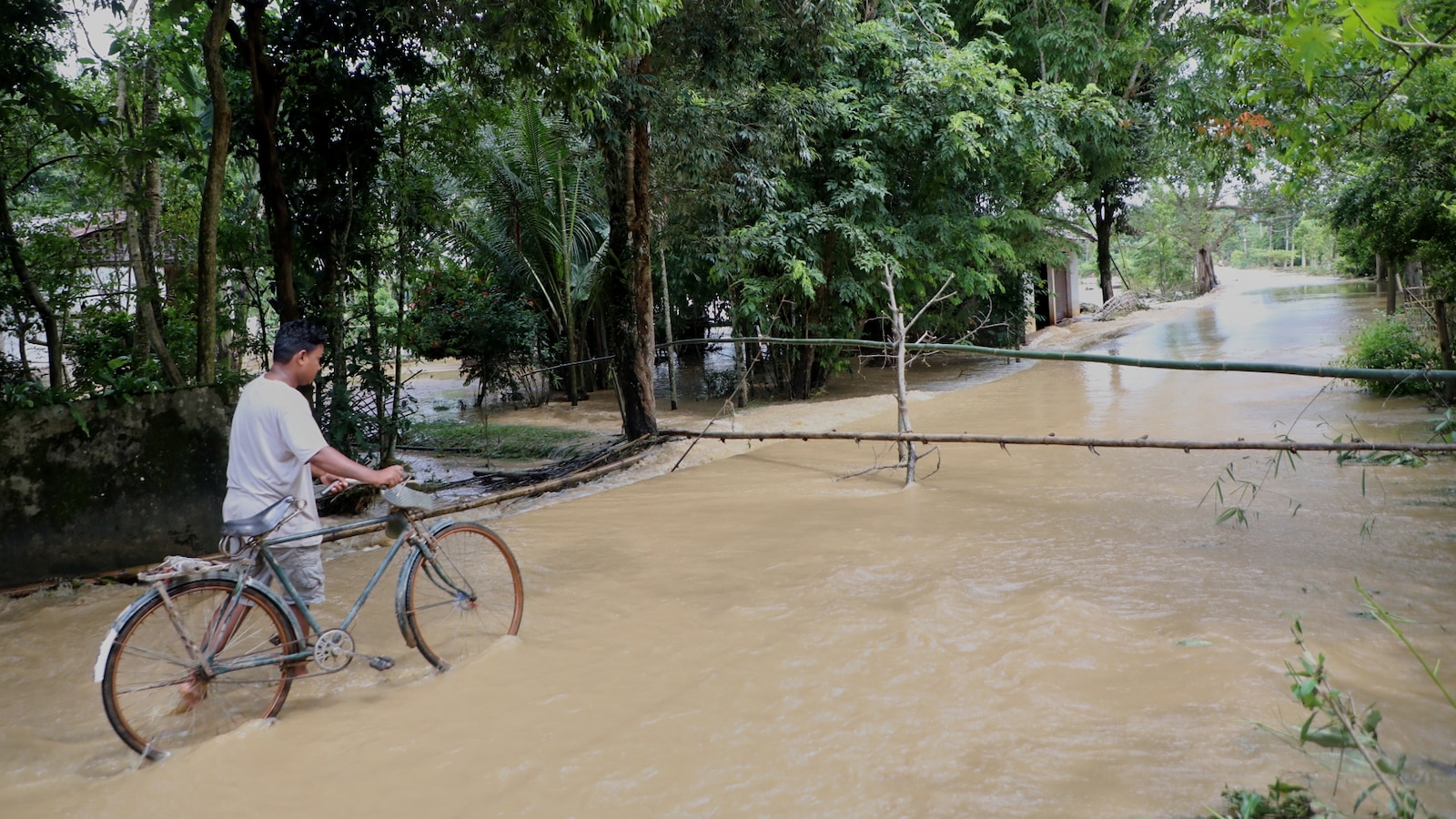
The single worst incident was in Baguio, the mountain city that sits on some of the steepest inhabited terrain in the country. Mayor Benjamin Magalong said a landslide in Barangay Guisad Surong buried three houses, killing four people and leaving six unaccounted for. Saturated slopes above dense hillside housing are the recurring killer in Cordillera monsoon events; the rain does not have to be extraordinary if it falls long enough.
The scale of displacement is larger than the casualty figures suggest. The National Disaster Risk Reduction and Management Council reported that as of 8 a.m. Monday, 585,993 individuals — 170,593 families — had been affected across nine regions by the combined effects of the enhanced habagat and Tropical Cyclones Luis and Maymay. The Armed Forces of the Philippines and the Philippine Navy deployed search-and-rescue teams, debris-clearing equipment and logistics assets to the hardest-hit provinces.
In the capital region, the disruption was mostly water on the road rather than structural damage. Zapote Junction in Las Pinas City flooded deep enough that vehicles could no longer pass. In Quezon City, sections of Kaliraya Street, G. Araneta Avenue and E. Rodriguez Sr. Avenue went under. The national government suspended face-to-face classes and in-person work in Metro Manila and 15 provinces for Monday, and the coast guard canceled a number of sea trips.
"Our fellow Filipinos should remain cautious as rains continue in various parts," OCD spokesperson Junie Castillo said, urging residents to follow instructions from local authorities. The habagat — the Tagalog term for the southwest monsoon — is a seasonal feature rather than a storm, but it becomes lethal when a tropical cyclone parks offshore and drags moisture over Luzon for days at a time. That is what Luis and Maymay have been doing, and forecasters expected the rain to continue.