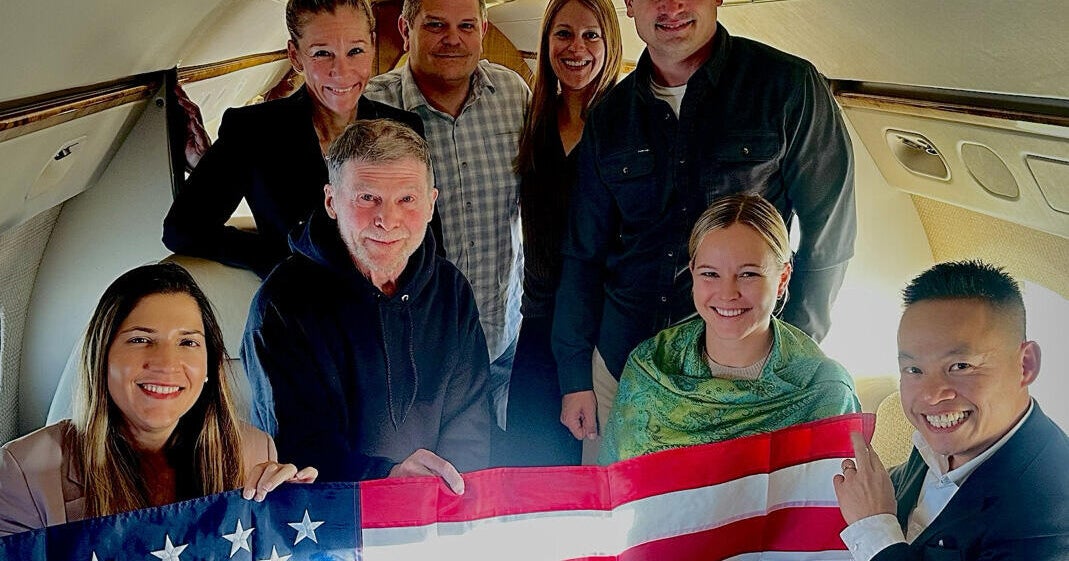
Trump, Xi and Putin Meet in Shenzhen, Issue Joint Statement but Little Else
The first three-way meeting of the leaders produced pledges on UN reform, oil and gas output and nuclear risk, but Putin ruled out talks with Ukraine after the Kerch Bridge strike.
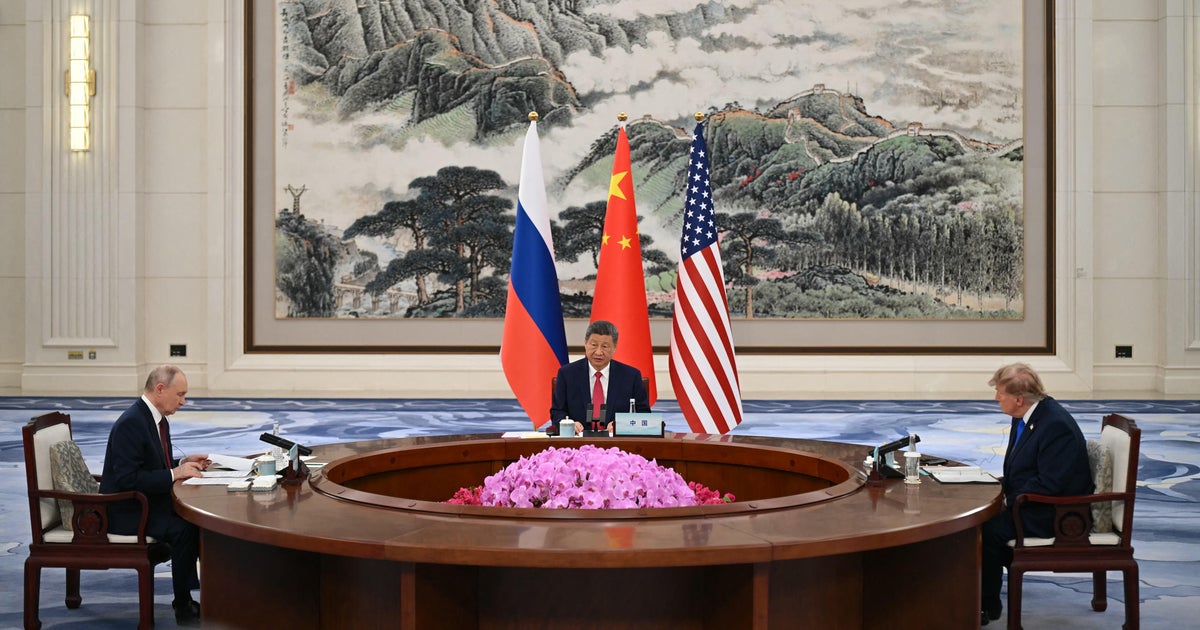
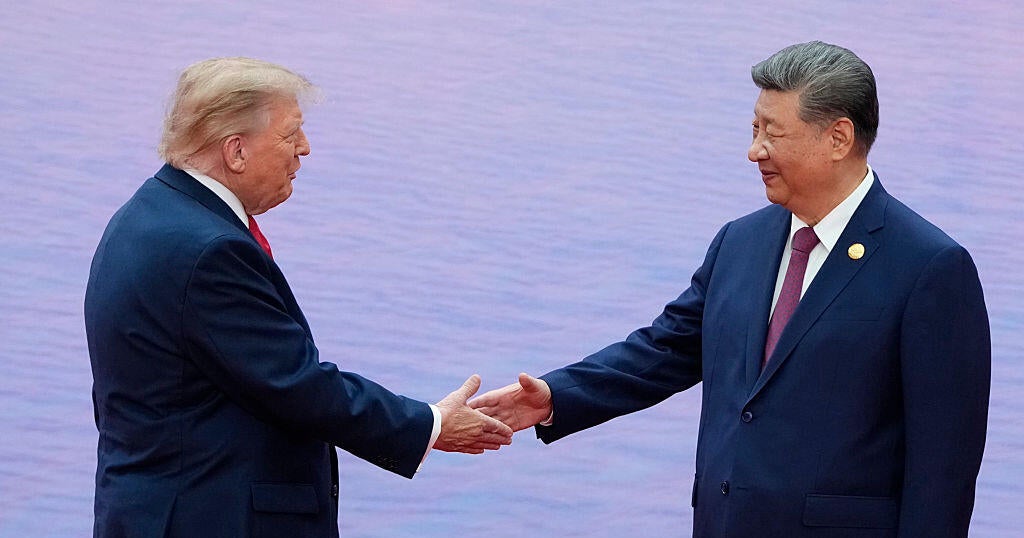
President Trump, Chinese President Xi Jinping and Russian President Vladimir Putin sat down together in Shenzhen, China, on Thursday, the first face-to-face meeting of the three leaders. By the end of it, there was little concrete to show for the encounter in terms of resolving any of the crises facing the world, according to CBS News.
The leaders met for roughly an hour and a half on the sidelines of the Asia-Pacific Economic Cooperation summit and then issued a joint statement. The Kremlin released it first, and the White House later provided the same text. Mr. Trump left China immediately afterward and did not speak to journalists on the ground. On the flight home he said on social media that he would hold a press conference at noon on Friday.
The statement said the three men "exchanged views in detail on the current international situation and reaffirmed their commitment to maintaining strategic stability and international security." As permanent members of the UN Security Council, they said, they were committed to reforming the United Nations so it can respond more effectively to global challenges. They also committed to increasing gas and oil production "for the benefit of all countries," endorsed "the principle of state consent and respect for the immunities of state officials," and said the International Criminal Court and similar bodies "should not abuse their powers."
On nuclear weapons, the leaders "reaffirmed that there can be no winners in a nuclear war, and that it should never be unleashed." The Kremlin said the three countries would continue a dialogue on reducing nuclear risks and preventing proliferation. Russia and the United States hold by far the largest stockpiles, well over 5,000 warheads by some estimates, while China is believed to have about 600. China had ruled out joining denuclearization talks as recently as last year, though Xinhua quoted Xi on Thursday calling nuclear weapons a "sword of Damocles hanging over humanity."
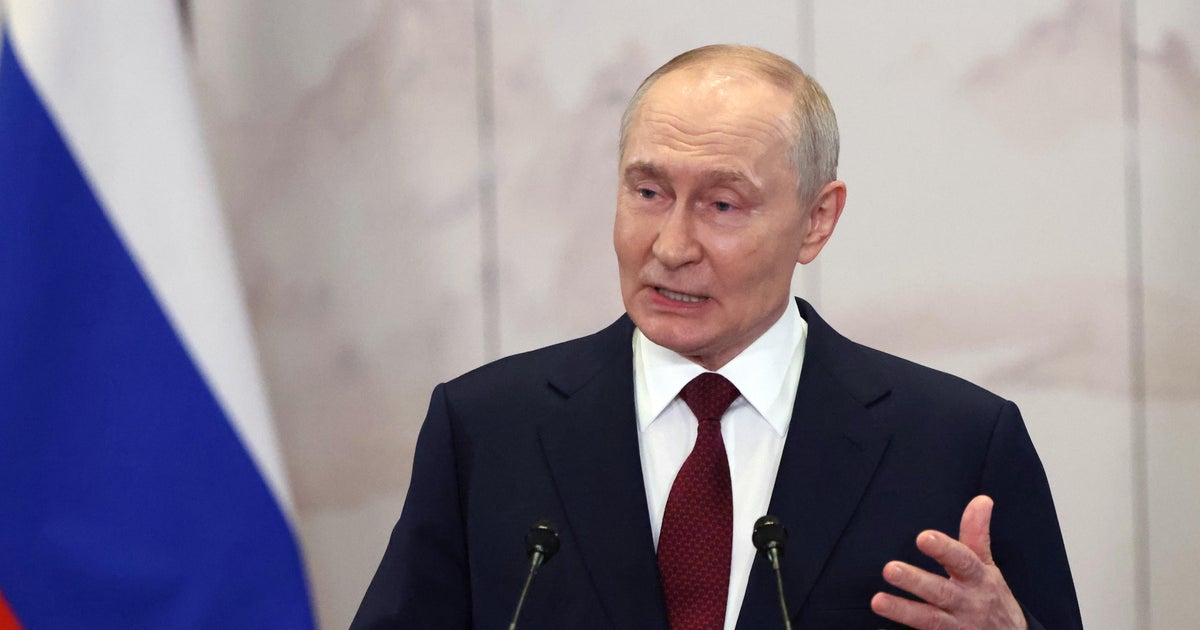
Ukraine was the sore point. The only significant statement on the war came from Putin after the meeting, when he ruled out direct negotiations with Kyiv, citing this week's Ukrainian strike on the Kerch Bridge linking Russia to occupied Crimea. "We will not negotiate after the attacks on the Crimean bridge," Putin said, according to Russian media. He said Ukraine and Europe were "not yet ready" for the compromises needed to end the war. The Kremlin said Ukraine was not the central topic of the three-way session, though it featured in Putin's separate meeting with Mr. Trump earlier in the day.
Mr. Trump met Putin first, then Xi for about an hour. "We've had a great relationship for many years," he said beside Putin. "I think a lot of wonderful things can come out of this, or at least start." Greeting the Russian leader, he said, "He's my friend." In a phone call with NBC's Gabe Gutierrez, Mr. Trump rated the meeting a 12 on a scale of zero to 10. Putin's aide Yuri Ushakov said the atmosphere was good, and Russian media said Putin told Xi that nobody had expected it to go so well.
The optics drew criticism at home. Sen. Tim Kaine, a Virginia Democrat on the Foreign Relations Committee, said the pictures "troubled me, seeing the president stand with Putin and Xi, rather than seeing the president stand with the leaders of the global democracies." He said Mr. Trump's description of Putin as a friend "turned my stomach a bit." Ukraine and its European partners have long feared that Washington could offer Putin major energy deals without securing concessions in return.
Trade hung over the Chinese leg of the trip. Mr. Trump said he spoke with Xi for two hours on Wednesday, mostly about trade and tariffs, and that he would ask Beijing to "do some more" for American farmers. A tariff truce between the two countries is set to expire on Jan. 10. Mr. Trump also used his APEC speech to vow to block any "globalist regulation" of artificial intelligence. Putin did not commit to attending next month's G20 meeting in Miami, which Mr. Trump has invited him to; he has not attended since 2019.