Trump Turns Taiwan Arms Sales Into Bargaining Chip With China
The president's comments about using potential Taiwan weapons deals as leverage have raised serious questions about America's commitment to the island's defense.
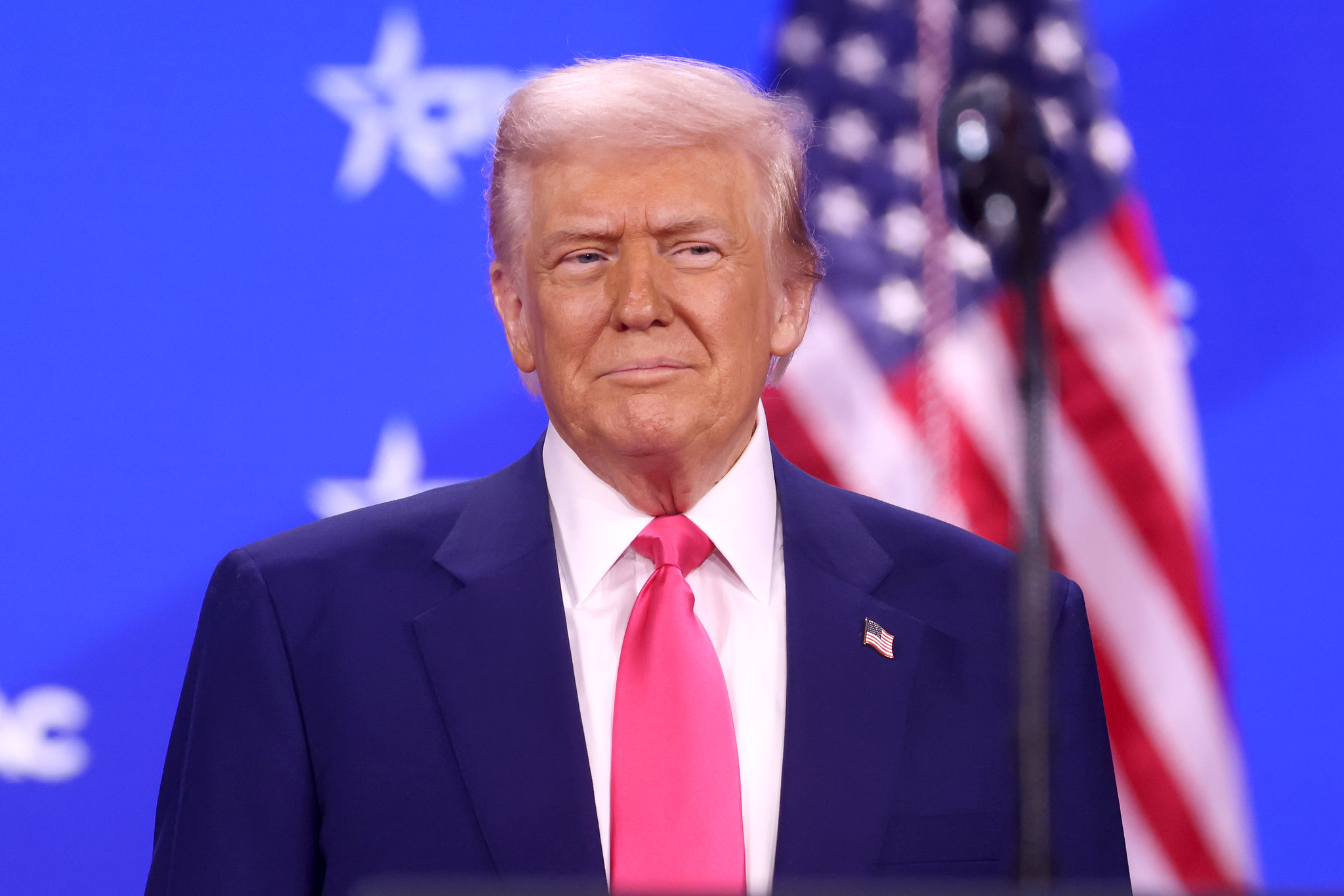
President Trump has openly described potential arms sales to Taiwan as a "very good negotiating chip" in ongoing discussions with Beijing, marking a dramatic shift in how the United States approaches one of its most sensitive security partnerships. The president's remarks, made during his recent summit with Chinese President Xi Jinping, have sent shockwaves through diplomatic circles and raised fundamental questions about the reliability of American security commitments to Taiwan. This transactional approach to arms sales represents a significant departure from decades of established U.S. policy toward the strategically vital island democracy.
Trump's characterization of Taiwan weapons deals as leverage rather than genuine security assistance has alarmed defense experts and lawmakers from both parties. For more than four decades, U.S. arms sales to Taiwan have been governed by the Taiwan Relations Act, which commits America to providing defensive weapons necessary for Taiwan's security. By framing these sales as bargaining chips, Trump appears to be subordinating Taiwan's legitimate defense needs to broader trade and diplomatic negotiations with China, potentially undermining the deterrent effect these weapons are meant to provide.
The timing of Trump's comments is particularly significant, coming during a period of heightened tensions in the Taiwan Strait and increased Chinese military pressure on the island. Beijing has consistently demanded that Washington halt all arms sales to Taiwan, viewing them as interference in China's internal affairs and obstacles to eventual reunification. Trump's suggestion that these sales could be withheld or modified based on Chinese concessions in other areas gives Beijing unprecedented influence over American defense cooperation with Taiwan.
Taiwanese officials have expressed deep concern about the implications of Trump's remarks, though they have been careful not to publicly criticize the U.S. president. Behind closed doors, however, Taiwanese defense planners are reportedly reassessing their security strategy and exploring alternative sources for critical military equipment. The uncertainty surrounding future U.S. arms sales has also complicated Taiwan's defense budget planning and long-term military modernization efforts.
The president's approach has drawn criticism from former U.S. officials and regional security experts, who warn that treating Taiwan arms sales as negotiable undermines America's credibility as a security partner throughout the Indo-Pacific region. Allied nations are closely watching how Trump handles Taiwan policy, as it could signal broader changes in American commitment to regional security arrangements. The controversy has also reignited congressional debate about potentially legislating more rigid requirements for Taiwan arms sales to prevent future presidents from using them as diplomatic leverage.