Trump Abruptly Cancels AI Regulation Executive Order Signing as Industry Partnerships Stall
President scraps landmark order expected to establish partnerships with leading AI companies for vetting new artificial intelligence models.
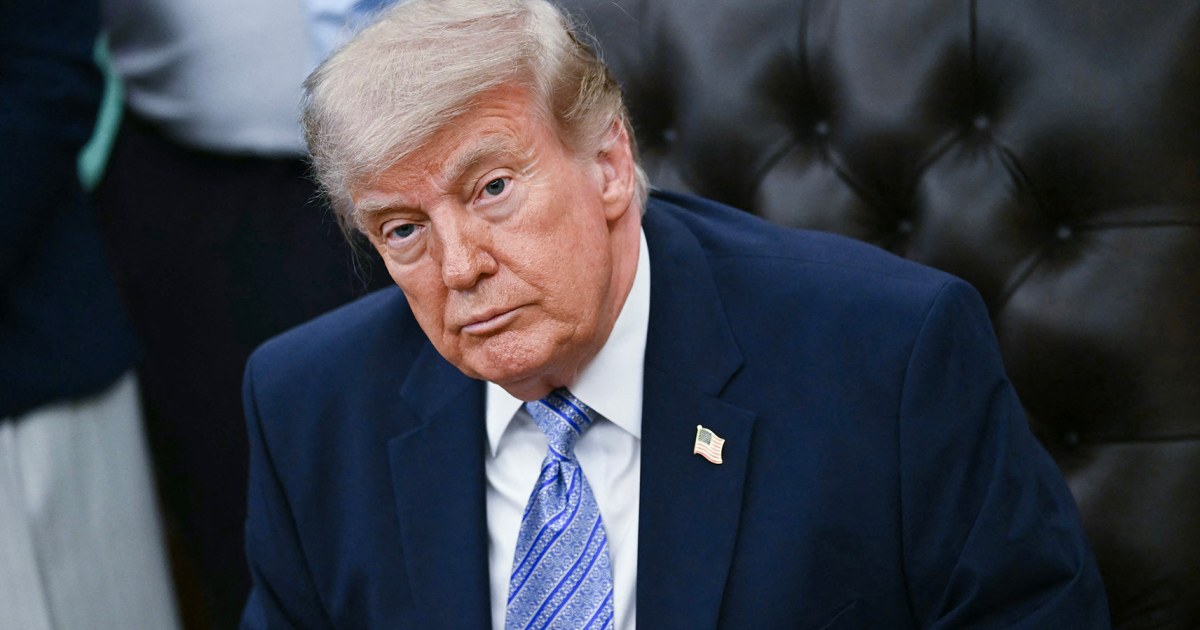
President Donald Trump abruptly canceled the signing of a major executive order on artificial intelligence regulation Thursday, abandoning plans to establish formal partnerships between the federal government and leading AI companies for evaluating new models before public release. The unexpected cancellation leaves the administration's AI oversight strategy in limbo as artificial intelligence continues to advance rapidly across industries from healthcare to national defense.
The executive order was expected to create a framework for government collaboration with companies like OpenAI, Google, Microsoft, and Meta to assess the safety and capabilities of advanced AI systems before they reach consumers. Industry sources had indicated the partnerships would involve technical evaluations of new AI models, particularly large language models and other systems that could pose national security or public safety risks if deployed without proper oversight.
White House officials provided no immediate explanation for the cancellation, though sources familiar with the negotiations suggested disagreements over the scope of government oversight and industry compliance requirements may have contributed to the delay. The AI industry has been divided over the appropriate level of federal regulation, with some companies advocating for light-touch approaches while others support more comprehensive safety standards and testing protocols.
The canceled signing comes at a critical juncture for AI policy, as Congress considers multiple pieces of legislation aimed at regulating artificial intelligence development and deployment. Several high-profile incidents involving AI systems producing harmful or misleading content have intensified calls for federal oversight, while technology companies argue that overly restrictive regulations could hamper American competitiveness against international rivals, particularly China's rapidly advancing AI capabilities.
Trump's decision to scrap the executive order signing reflects broader tensions within his administration over technology policy and the appropriate balance between innovation and regulation. The President has previously expressed skepticism about extensive federal oversight of emerging technologies, preferring market-based approaches to addressing potential risks. However, national security advisors have urged more proactive government involvement in AI development, particularly for applications that could affect military capabilities or critical infrastructure. The administration is expected to announce alternative approaches to AI governance in the coming weeks, though specific details remain unclear.