Tech Titans Remain Mostly Silent After Pope Leo's Warning About AI Risks
Pope Leo XIV's sweeping warning about artificial intelligence dangers drew a largely muted response across the American technology industry.
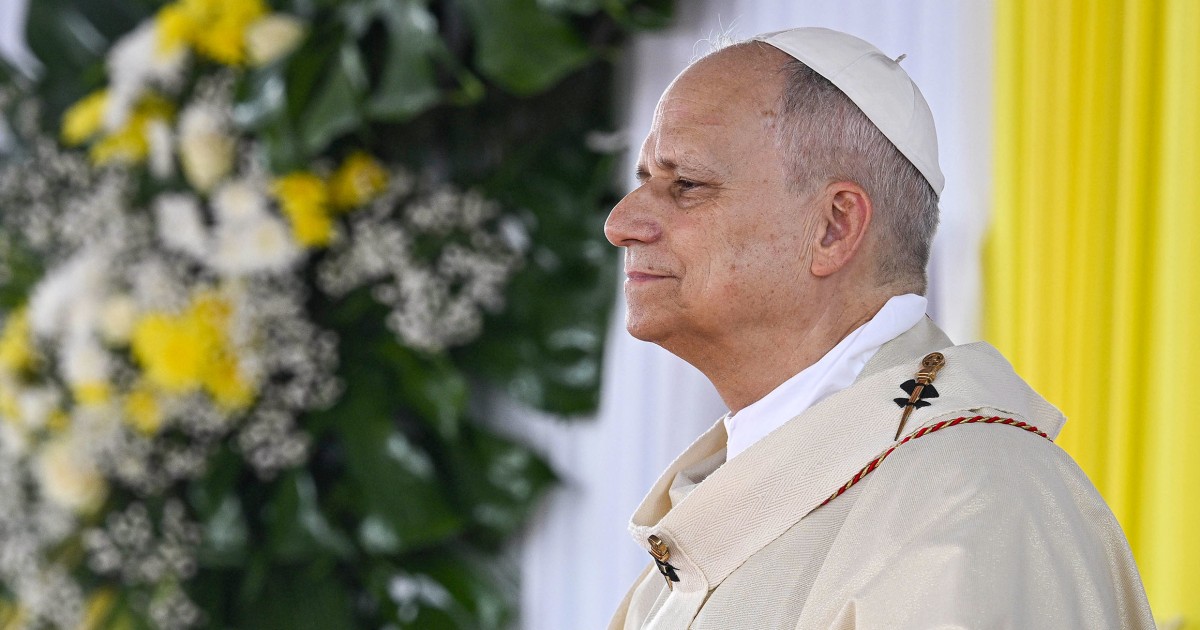
Major technology companies and industry leaders have offered little public response to Pope Leo XIV's comprehensive warning about the potential dangers of artificial intelligence, maintaining an unusual silence in the face of one of the most significant religious statements on AI to date. The Pope's sweeping critique of AI development and deployment has failed to generate the robust public discussion that typically follows major papal pronouncements on contemporary issues.
Pope Leo XIV's extensive statement addressed multiple concerns about artificial intelligence, ranging from privacy and surveillance issues to broader questions about human dignity and the role of technology in society. The papal warning specifically highlighted risks associated with AI systems and their potential impact on fundamental human rights and social structures. Despite the high-profile nature of the statement and its direct relevance to the technology industry, most major tech companies have chosen not to issue formal responses.
The silence from technology leaders contrasts sharply with their typically vocal engagement on policy issues affecting their industry. Tech executives often issue statements, participate in public forums, and engage with media on regulatory and ethical questions surrounding their products. The muted response to the papal warning suggests either strategic caution about engaging with religious authorities on technical matters or potential disagreement with the Pope's characterizations of AI risks.
Industry observers note that the lack of response may reflect the complexity of addressing religious concerns about technology development. Unlike regulatory or legislative challenges, papal statements operate in a different sphere of moral and ethical authority that may require more careful consideration from corporate communications teams. Some companies may be developing more detailed responses or waiting to see how the religious community and broader public react to the Pope's message.
The subdued reaction from the technology sector leaves open questions about how the industry views its relationship with religious institutions and moral authority on emerging technologies. As AI continues to advance rapidly and raise fundamental questions about human society, the dialogue between technology developers and religious leaders may become increasingly important. The Pope's warning and the industry's response—or lack thereof—may set precedents for future interactions between religious institutions and the technology sector on ethical issues surrounding artificial intelligence.