Texas Wins Right to Arrest and Deport Border Crossers as Court Overturns Injunction
Federal appeals court rules controversial 2023 state law allowing local police to detain migrants is constitutional, setting up likely Supreme Court battle.
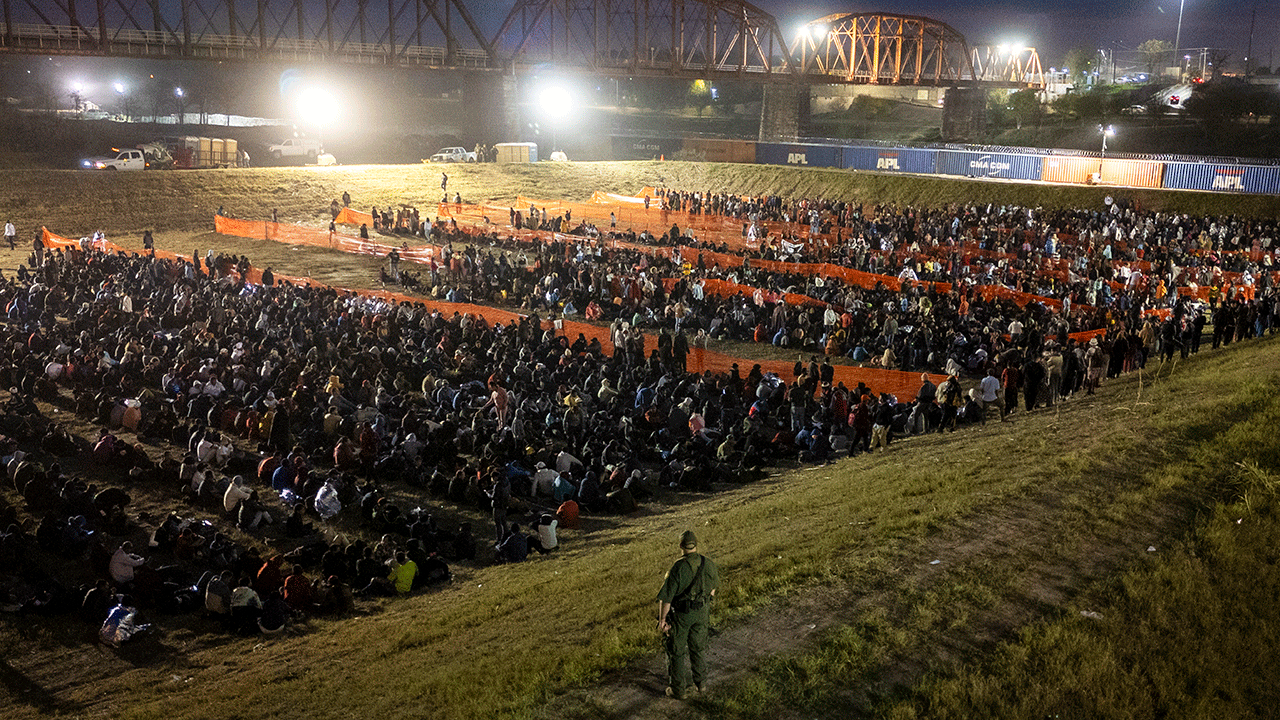
A federal appeals court has ruled that Texas can proceed with a controversial 2023 law allowing state and local police officers to arrest migrants who illegally cross the Mexico border, overturning a previous injunction that had blocked the measure. The decision represents a significant legal victory for Texas officials who have pushed for greater state authority over immigration enforcement, though the ruling is expected to face immediate appeal to higher courts.
The law, which had been paused by the same court that initially blocked it, grants unprecedented power to state and local law enforcement to detain individuals suspected of crossing the border illegally and to pursue deportation proceedings independently of federal immigration authorities. Texas Governor Greg Abbott and state Republican leaders have argued that the measure is necessary due to what they characterize as federal inaction on border security.
Legal experts described the court's reversal as highly unusual, noting that immigration enforcement has traditionally been considered an exclusively federal responsibility under the Constitution's Supremacy Clause. The American Civil Liberties Union and immigrant rights organizations immediately announced plans to challenge the decision, arguing that it creates a dangerous precedent that could lead to racial profiling and civil rights violations.
The ruling comes amid heightened tensions over border security policy, with Texas having implemented numerous unilateral measures in recent years including the construction of razor wire barriers and the deployment of National Guard troops. Federal immigration officials have expressed concerns that state-level enforcement could interfere with established protocols and potentially compromise ongoing federal investigations.
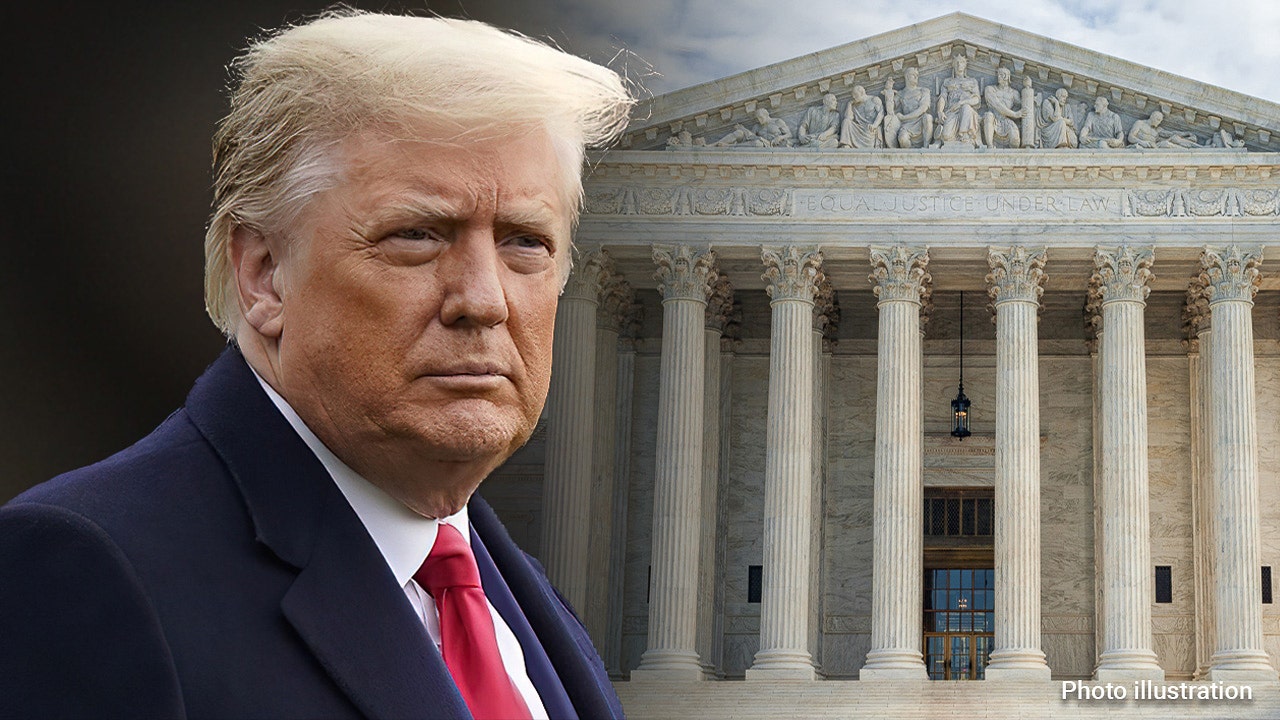
The case is widely expected to reach the Supreme Court, where justices will likely need to determine the constitutional limits of state authority in immigration matters. Until then, the law can proceed, though its implementation may face practical challenges as local law enforcement agencies grapple with new responsibilities and potential conflicts with federal authorities. Civil rights groups are also preparing to monitor enforcement activities closely for any evidence of discriminatory practices or constitutional violations.