Three Stars and Stripes Journalists Sued Hegseth After Reporting That 5,000 Sailors Ran Short of Food and Water at Sea
The publisher, the editor-in-chief and a reporter say they were served separation notices for insubordination after the paper documented conditions aboard the USS Abraham Lincoln.

Three journalists at Stars and Stripes — the newspaper Congress funds to cover the U.S. military and that has published continuously since the Civil War era — filed a federal lawsuit Thursday accusing Defense Secretary Pete Hegseth and two Pentagon officials of firing them in retaliation for their reporting and for defending the paper's independence.
The plaintiffs are publisher Max Lederer, editor-in-chief Erik Slavin and reporter Lara Korte. The 45-page complaint names Hegseth, chief Pentagon spokesman Sean Parnell and Pentagon aide Andrew Brey as defendants. It asks a federal court to block what it calls "the blatant violation of the First Amendment rights" of the journalists and describes the Defense Department's conduct as an "extraordinary censorship" effort aimed at imposing an ideological test on a newsroom.
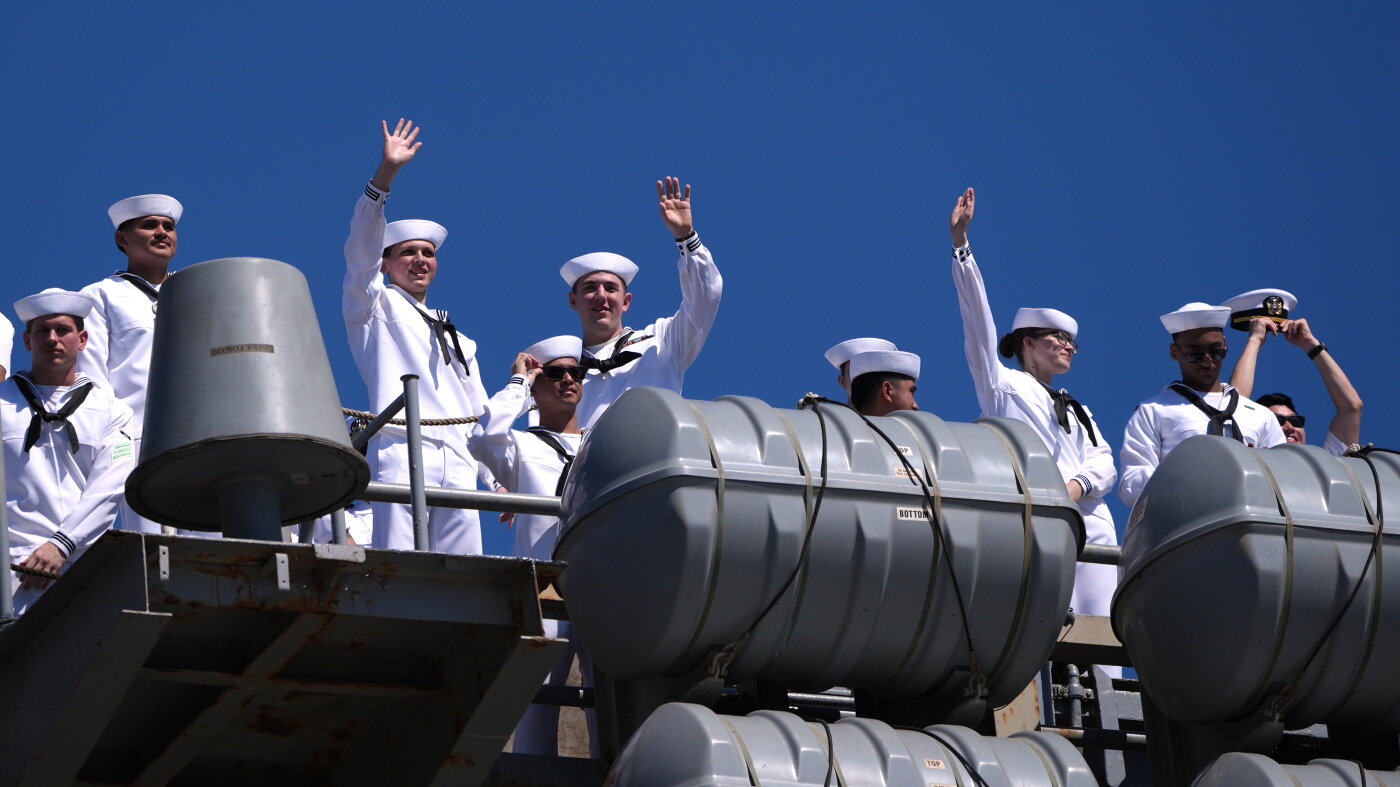
According to the complaint, the sequence began in July, when Slavin and Korte sat for interviews with CBS News for a "CBS Sunday Morning" segment about the paper. Korte told the program she worked "not for the Pentagon, not for any administration, not for any policymaker." In August, Stars and Stripes published reporting on the aircraft carrier USS Abraham Lincoln, whose roughly 5,000 sailors had been kept at sea on an extended deployment to the Middle East. The paper documented food and water shortages, disrupted mail, and what it described as flagging mental health across a nine-month cruise.
All three journalists subsequently received separation notices citing insubordination. The lawsuit argues the stated grounds were pretextual and that the real cause was the combination of the on-camera defense of editorial independence and the carrier reporting. It contends the firings violate the First Amendment and the statutory framework that has, since 1988, obliged the Defense Department to operate Stars and Stripes with editorial independence from the chain of command it covers.
Stars and Stripes occupies an unusual position in American journalism. It is funded in part by appropriated federal dollars and distributed to service members overseas, but by law and by long practice its editors are supposed to make news decisions without clearance from the Pentagon's public affairs apparatus. That arrangement has produced periodic collisions with defense secretaries of both parties. It has rarely produced a lawsuit by the paper's own leadership against the secretary.
The Pentagon did not provide a substantive response to CBS News when asked about the complaint. Parnell, one of the named defendants, is the same spokesman who on Thursday publicly denied separate reporting that American Patriot interceptor stocks in Europe had fallen to critical levels — placing him at the center of two disputes over military information on the same day.
The case will now test how far the 1988 independence provisions actually reach. A court that finds for the journalists would establish that the Defense Department cannot fire the staff of its own congressionally funded newspaper over coverage the department dislikes. A court that finds for the government would leave the paper's independence as a matter of policy rather than enforceable law — and would leave the next set of editors to guess how much protection the statute really provides before they publish.