Spies, Sanctions, and Cyberattacks: U.S. and China Clash Behind the Scenes as Relations Deteriorate
After months of avoiding direct confrontation, the Trump administration has escalated tensions with Beijing through coordinated actions targeting Iran partnerships, artificial intelligence restrictions, and espionage activities.

The Trump administration has abandoned its cautious approach toward China, launching a coordinated campaign of sanctions, cybersecurity measures, and diplomatic pressure that marks a significant escalation in U.S.-China tensions. After months of carefully avoiding direct confrontation, senior administration officials have taken decisive steps to challenge Beijing on multiple fronts, including its partnership with Iran, artificial intelligence development, and alleged espionage operations within the United States.
The shift represents a dramatic departure from the administration's earlier strategy of managing relations through high-level diplomatic engagement. Intelligence officials have documented what they describe as an intensifying pattern of Chinese cyber operations targeting critical American infrastructure, prompting the administration to implement new defensive measures and consider retaliatory actions. The timing of these moves coincides with growing congressional pressure on the White House to take a tougher stance against Beijing's technological and military ambitions.
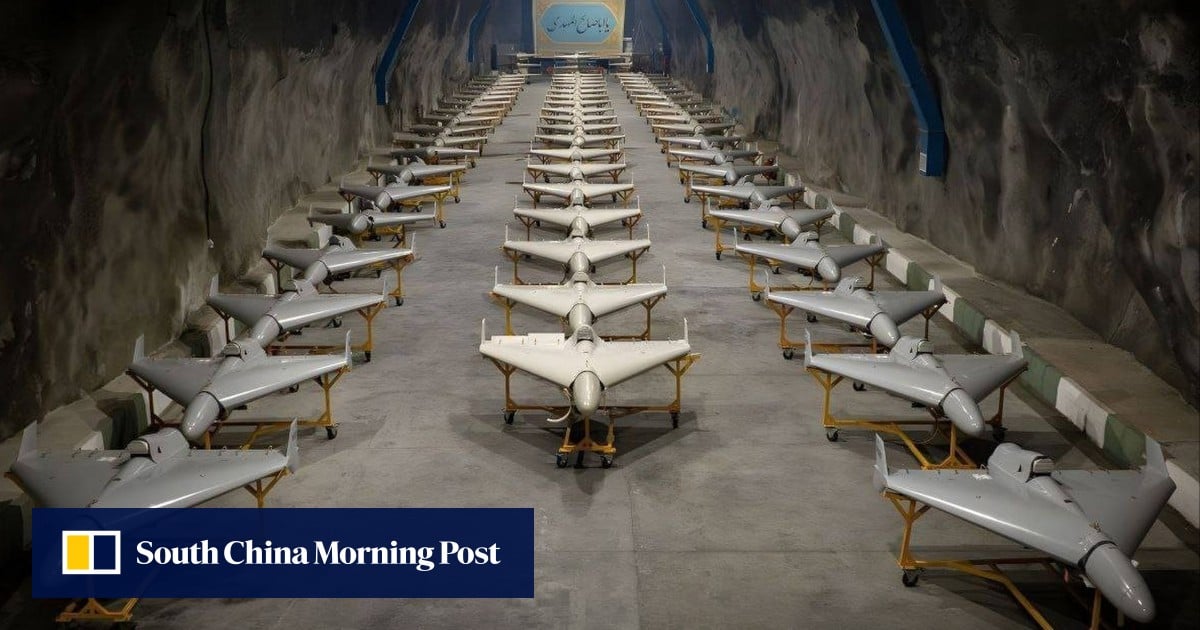
Sanctions targeting Chinese companies and individuals involved in supporting Iran's military capabilities have emerged as a central component of the administration's new approach. Treasury Department officials have identified dozens of Chinese firms allegedly providing dual-use technology and financial services that enable Tehran's weapons programs and regional military operations. These restrictions mark the first time the administration has directly linked Chinese commercial activities to Iran's destabilizing influence across the Middle East.
Artificial intelligence has become another major flashpoint in the deteriorating relationship. The administration has imposed sweeping restrictions on Chinese access to advanced semiconductor technology and AI development tools, citing national security concerns about Beijing's military applications of artificial intelligence. These measures go far beyond previous export controls and are designed to slow China's progress in developing autonomous weapons systems and surveillance technologies that could threaten American interests globally.
The escalation comes as both countries prepare for what analysts describe as a prolonged period of strategic competition across multiple domains. Defense officials warn that the current tensions could spill over into other areas of cooperation, including climate change initiatives and global health programs that have historically remained insulated from broader diplomatic disputes. The administration's willingness to confront China directly signals a fundamental shift in how Washington views the bilateral relationship and suggests that future diplomatic engagement will occur against a backdrop of sustained strategic rivalry.