Silicon Valley AI Giants Launch Unprecedented Washington Lobbying Blitz
OpenAI and Anthropic are opening DC offices, hiring lobbyists and spending record amounts to influence federal lawmakers on artificial intelligence regulation.

Major artificial intelligence companies are dramatically escalating their political influence operations in Washington, with industry leaders OpenAI and Anthropic establishing permanent offices in the nation's capital and deploying armies of lobbyists to shape federal AI policy. The lobbying campaign represents one of the most intensive corporate influence efforts seen in recent years, as Silicon Valley seeks to ensure that government regulation of AI develops in ways that benefit the industry's largest players.
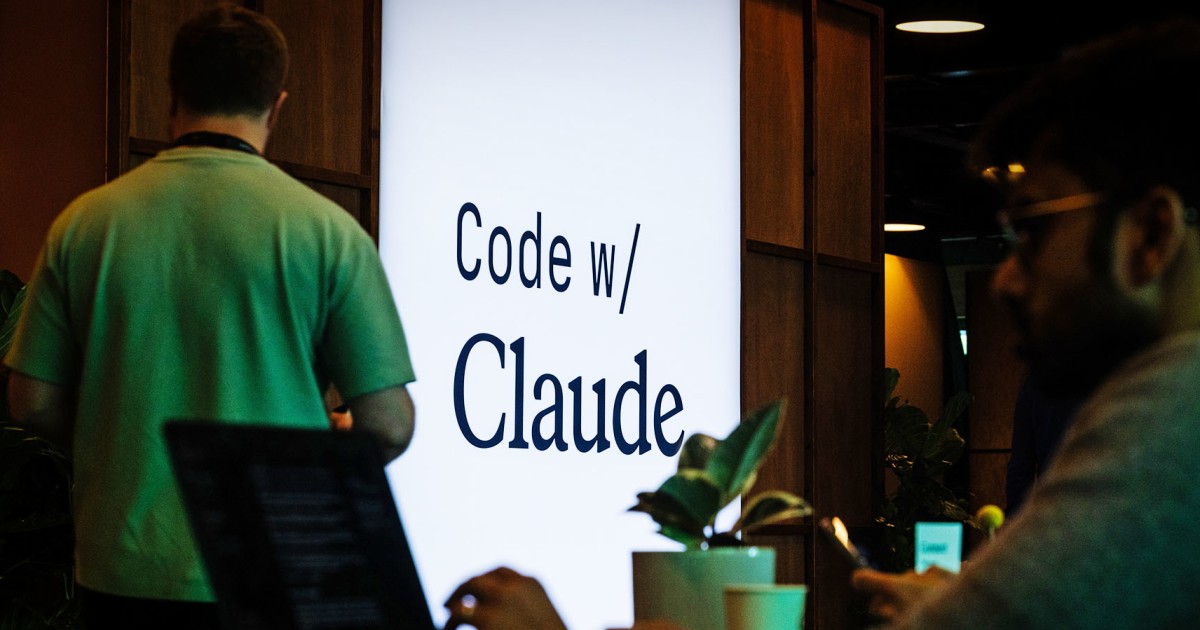
OpenAI, the creator of ChatGPT, has significantly expanded its Washington presence by opening a dedicated policy office and hiring experienced government relations professionals with deep connections to federal agencies and congressional leadership. Similarly, Anthropic, which develops the Claude AI assistant, has established its own lobbying operation and recruited former government officials to help navigate the complex regulatory landscape surrounding artificial intelligence development and deployment.
The unprecedented spending on lobbying reflects the AI industry's recognition that federal regulation could fundamentally reshape how these companies operate and compete. With Congress, the Federal Trade Commission, and other agencies actively considering new rules governing AI development, data usage, and algorithmic transparency, companies are racing to ensure their voices are heard before critical policy decisions are made that could affect their business models and market positions.
Venture capital firm Andreessen Horowitz has emerged as a particularly aggressive political player, becoming the biggest known spender on this campaign cycle according to recent filings. The firm's co-founder Marc Andreessen had predicted in 2000 that "if you think there's a lot of money in politics now, you haven't seen anything yet," a forecast that appears increasingly prescient as technology companies pour unprecedented resources into political influence operations.
The AI lobbying blitz comes at a critical moment as lawmakers grapple with how to regulate rapidly advancing artificial intelligence technologies without stifling innovation or ceding American leadership to international competitors. Industry advocates argue that overly restrictive regulations could handicap American AI companies and push development overseas, while critics worry that insufficient oversight could allow powerful AI systems to be deployed without adequate safety measures or ethical guidelines.