Scientists Decode How Plants Make Rare Cancer-Fighting Compound
Researchers identified two enzymes that produce mitraphylline, opening the door to sustainable production of this promising anti-cancer molecule.
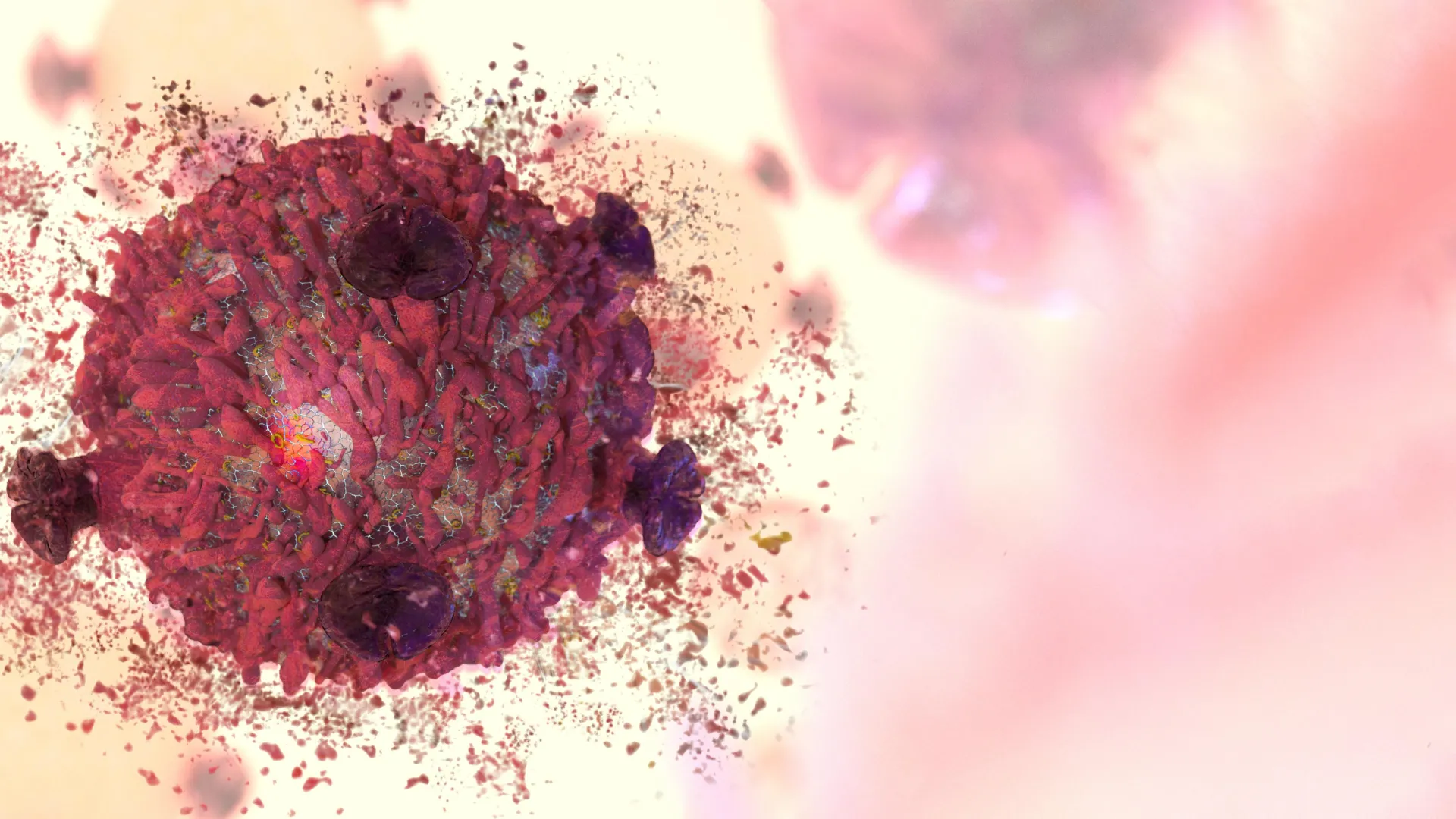
Scientists at UBC Okanagan have solved a longstanding mystery in plant chemistry by discovering how tropical plants produce mitraphylline, a rare natural compound with promising anti-cancer properties. The breakthrough identifies two critical enzymes that work together to create the molecule's distinctive twisted structure, potentially revolutionizing how researchers access this valuable but extremely scarce therapeutic compound.
Mitraphylline belongs to a unique class of plant chemicals called spirooxindole alkaloids, which are recognized for their unusual ring structures and powerful biological effects, including anti-inflammatory and anti-tumor activity. Despite years of scientific interest, the exact molecular steps plants use to produce these compounds had remained unknown, making it nearly impossible to recreate them sustainably in laboratory settings.
The research team, led by Dr. Thu-Thuy Dang and doctoral student Tuan-Anh Nguyen, built on earlier work that identified the first known plant enzyme capable of creating the distinctive spiro molecular shape. Their new findings reveal that one enzyme organizes the molecule into the correct three-dimensional structure, while a second enzyme transforms it into mitraphylline itself. "This is similar to finding the missing links in an assembly line," explains Dr. Dang, UBC Okanagan Principal's Research Chair in Natural Products Biotechnology.
The discovery is particularly significant because mitraphylline exists only in trace amounts in tropical trees such as Mitragyna (kratom) and Uncaria (cat's claw), both members of the coffee family. These tiny quantities have made the compound extremely difficult and expensive to study or develop into potential medications. With the enzyme pathway now understood, researchers have a clear blueprint for producing mitraphylline and related molecules through more sustainable biotechnology approaches.
The work represents an important advance in green chemistry and pharmaceutical development. "With this discovery, we have a green chemistry approach to accessing compounds with enormous pharmaceutical value," says Nguyen. The research was supported through international collaboration between Dr. Dang's laboratory at UBC Okanagan and Dr. Satya Nadakuduti's group at the University of Florida, with funding from Canada's Natural Sciences and Engineering Research Council and other agencies. The breakthrough could accelerate development of new cancer treatments while providing more environmentally friendly methods for producing complex therapeutic molecules.