Scientists Create New Type of Quantum Cat State Using Highly Nonclassical Components
Oxford physicists demonstrate quantum superposition built from squeezed states rather than classical wave packets, opening possibilities for more resilient quantum computers.
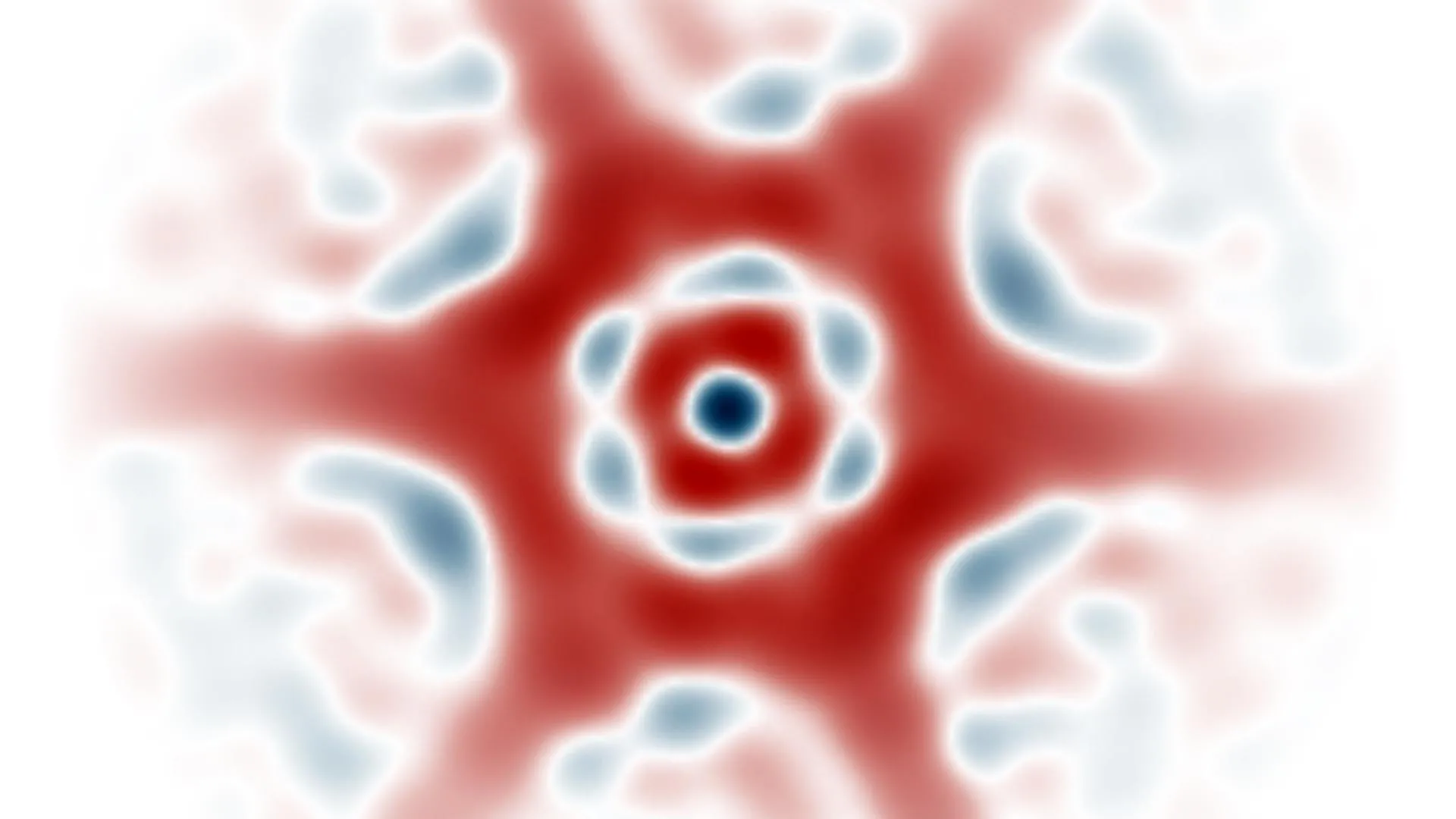
Researchers at the University of Oxford have created an entirely new type of quantum superposition that could revolutionize quantum computing by making it more resilient to real-world challenges. Unlike previous demonstrations of Schrödinger's cat-like states, which are built from classical wave packets called coherent states, the Oxford team developed a technique that combines highly nonclassical quantum components. The advance represents a significant step toward quantum computers that can maintain their delicate quantum properties even when exposed to manufacturing flaws and environmental noise.
The breakthrough centers on quantum harmonic oscillators, which can occupy many energy levels and offer far richer possibilities than conventional two-state quantum bits. These oscillators describe a wide range of physical systems, including light, vibrations, and the motion of trapped particles. Scientists have previously used them to create various quantum superpositions, including traditional "cat states" where an oscillator exists as a superposition of two wave packets moving in opposite directions.
The Oxford research team, led by scientists from the university's quantum physics department, focused on creating superpositions from squeezed states, where quantum uncertainty is distributed differently across each part of the state. Rather than using coherent-state wave packets that represent the closest quantum equivalents to classical motion, their approach combines components that are already highly nonclassical in nature. This fundamental difference could make the resulting quantum states more robust against the practical challenges that have long hindered quantum technology development.
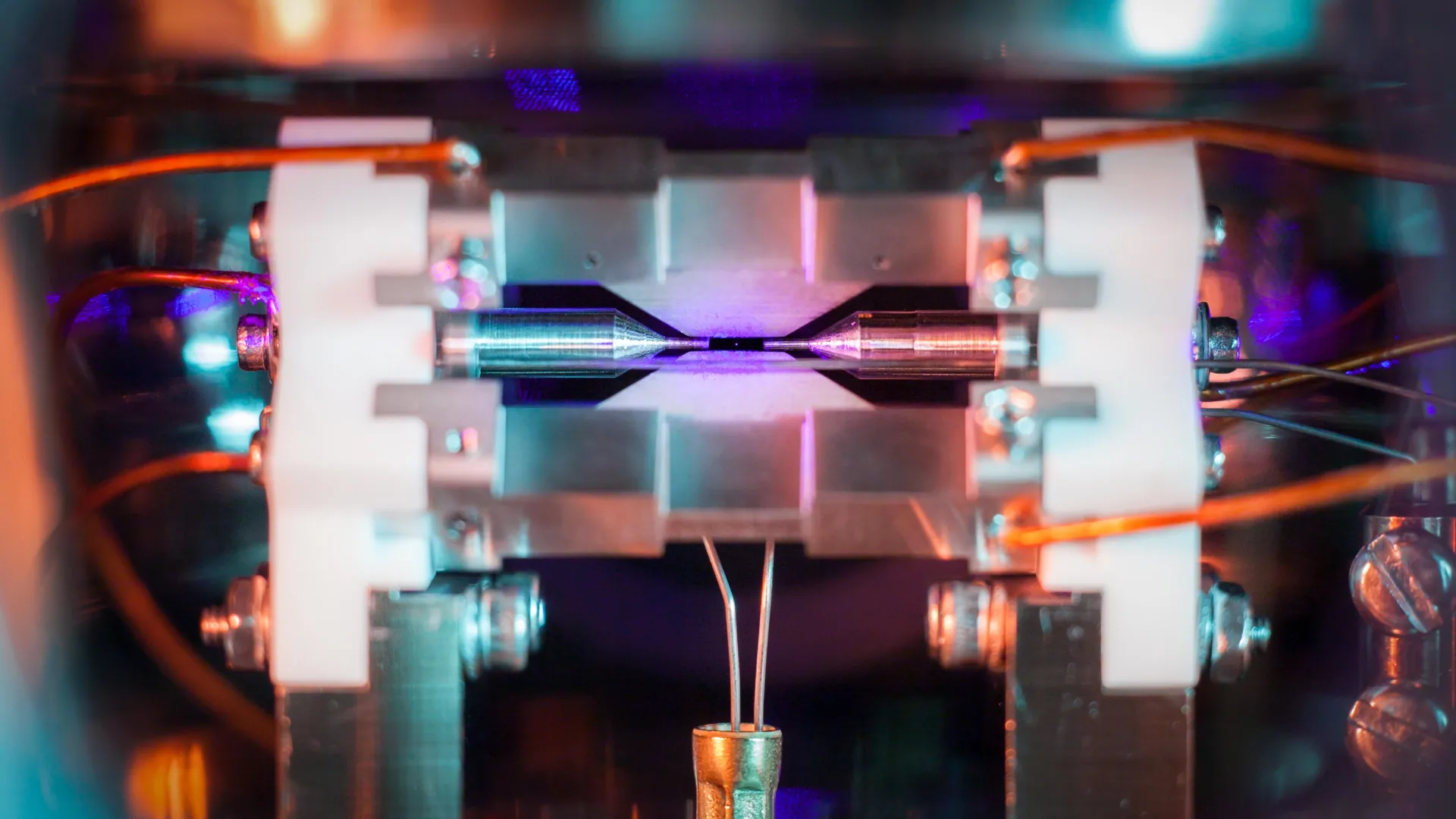
The experiment relied on a single trapped ion that combines two distinct quantum systems in one platform. The ion's internal state behaves like a conventional qubit, while its motion acts as a quantum harmonic oscillator capable of occupying many different motional states. This dual nature makes trapped ions particularly valuable for creating quantum states that extend beyond traditional binary systems.
To generate the new states, researchers engineered interactions that entangled the ion's internal state with different possible states of motion, then performed mid-circuit quantum measurements that caused the ion's motion to collapse into the desired superposition. The team's findings, published in a leading physics journal, suggest this approach could lead to quantum computers with enhanced error tolerance and new sensing technologies with unprecedented precision.