Novo Nordisk and Eli Lilly Battle for GLP-1 Pill Market as Medicare Coverage Looms
The pharmaceutical giants are preparing to compete for senior customers as Medicare prepares to cover oral versions of popular weight-loss medications.

Pharmaceutical giants Novo Nordisk and Eli Lilly are intensifying their rivalry as they prepare oral versions of their blockbuster GLP-1 medications for what could become a massive new market segment among Medicare beneficiaries. The companies are racing to position their pill formulations ahead of anticipated Medicare coverage decisions that could open access to these treatments for millions of American seniors struggling with obesity and diabetes.
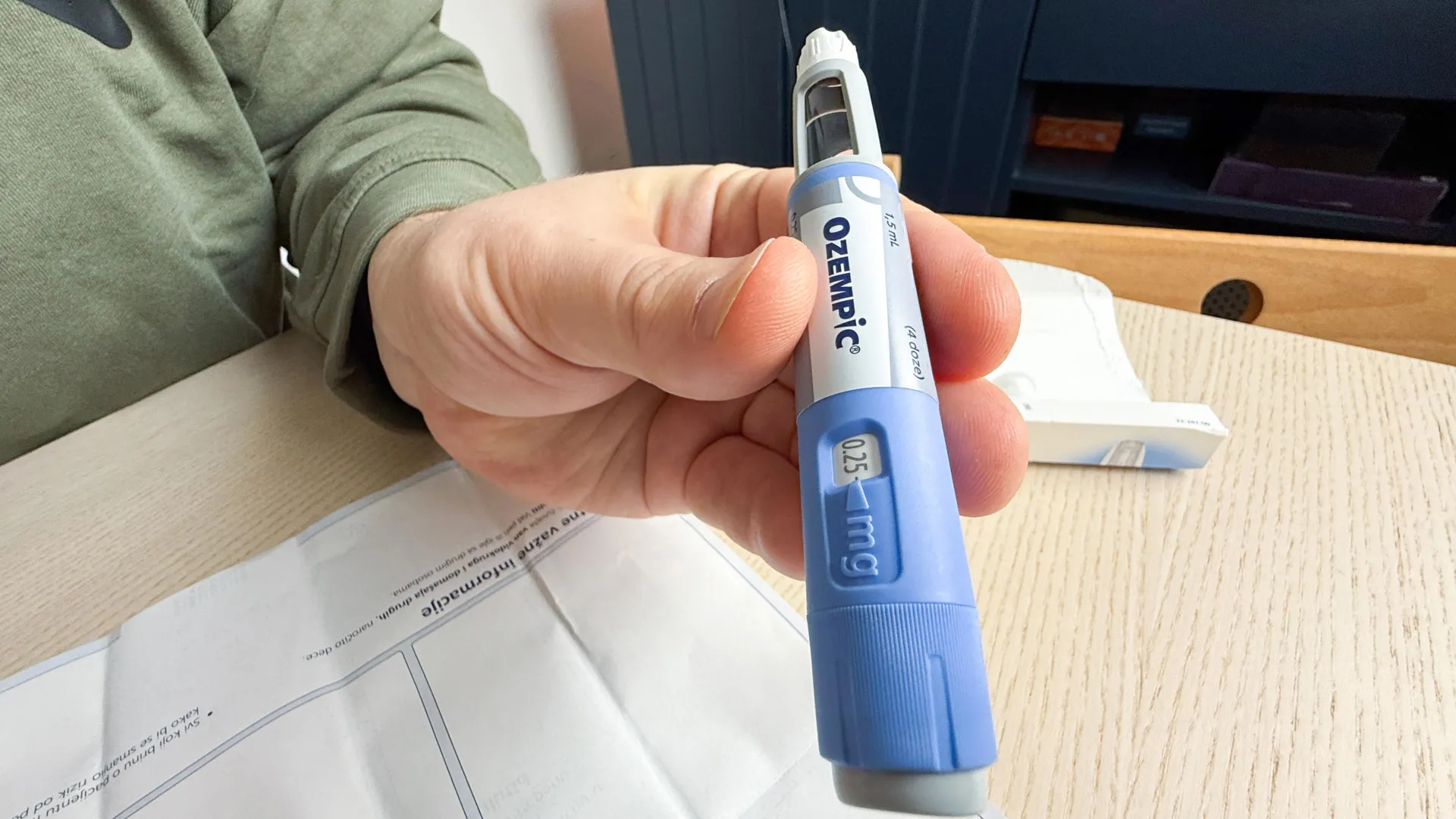
The competition represents a significant evolution from the current market dominated by injectable GLP-1 medications like Novo's Ozempic and Wegovy, and Lilly's Mounjaro and Zepbound. Oral versions of these drugs promise greater convenience and potentially broader patient acceptance, particularly among older adults who may be hesitant about self-administered injections. Both companies have invested heavily in developing pill formulations that maintain the efficacy of their injectable counterparts.
Medicare coverage could dramatically expand the market for these medications, which have shown remarkable effectiveness in treating both type 2 diabetes and obesity but remain expensive for patients paying out of pocket. Current prices for these treatments often exceed $1,000 per month, making them inaccessible to many seniors on fixed incomes despite their potential health benefits. Medicare approval would likely trigger significant demand while also creating pressure for competitive pricing.
Novo Nordisk and Lilly have been engaged in an intense competition across multiple fronts, including manufacturing capacity, clinical trial results, and regulatory approvals for various indications. Both companies have struggled to meet existing demand for their injectable formulations, leading to supply shortages that have frustrated patients and healthcare providers. The introduction of oral alternatives could help alleviate some supply constraints while creating new competitive dynamics.
The pharmaceutical companies are also preparing comprehensive data packages to demonstrate the safety and efficacy of their oral formulations to Medicare administrators and medical review boards. Success in securing favorable Medicare coverage terms could provide a decisive competitive advantage, given the size of the senior market and the likelihood that coverage decisions will influence treatment protocols across the broader healthcare system. Industry analysts expect the Medicare coverage process to be closely scrutinized given the potential fiscal impact on the federal healthcare program.