Modi's West Bengal Victory Moves India Closer to Opposition-Free Rule
Prime Minister Narendra Modi's triumph in state elections eliminates another major opposition stronghold, advancing his vision of unchallenged governance.
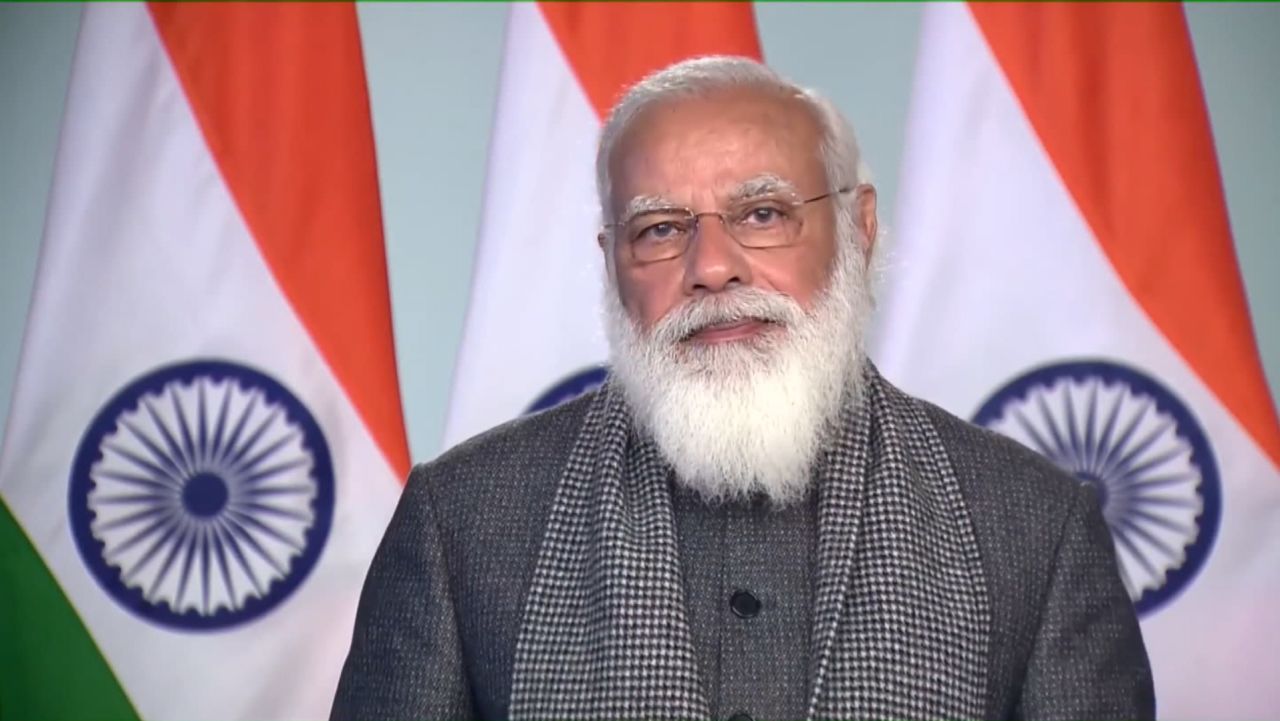
Prime Minister Narendra Modi has achieved a decisive victory in West Bengal state elections, bringing him significantly closer to his long-stated goal of creating an opposition-free India. The electoral triumph represents the capture of one of the country's most important opposition strongholds and marks a critical milestone in Modi's decade-long campaign to consolidate power across India's complex federal system. The victory eliminates a major center of political resistance to the ruling Bharatiya Janata Party's nationalist agenda.
West Bengal, home to more than 90 million people, had been one of the few remaining states where opposition parties maintained significant power and influence. The state has traditionally been a bastion of left-wing and regional politics, making Modi's electoral success particularly symbolic. The BJP's victory comes after years of sustained political campaigning and organizational building in a region that had previously been resistant to the party's Hindu nationalist message. Political analysts view the win as validation of Modi's strategy of gradually expanding BJP control beyond its traditional strongholds.
The electoral outcome has profound implications for India's democratic landscape and the balance of power between the central government and state administrations. With West Bengal now under BJP control, opposition parties have lost one of their most important platforms for challenging Modi's policies and providing alternative governance models. The victory also strengthens Modi's position ahead of crucial national elections, as controlling more state governments provides significant advantages in campaign resources, administrative support, and political messaging.
Modi's vision of opposition-free governance has drawn criticism from democratic institutions and civil society groups both within India and internationally. Critics argue that the systematic elimination of political opposition threatens India's pluralistic democracy and could lead to authoritarian governance. The West Bengal victory follows a pattern of BJP expansion into previously opposition-controlled states through a combination of electoral success, political defections, and institutional pressure on rival parties.
The international community is closely watching Modi's consolidation of power, particularly as India positions itself as a key global democracy and counterweight to authoritarian regimes. The West Bengal victory raises questions about the health of Indian democratic institutions and the space for dissent in the world's largest democracy. As Modi moves closer to achieving his goal of opposition-free rule, the implications extend beyond domestic politics to India's role in global democratic leadership and its relationships with international partners who value pluralistic governance.