Kirkland & Ellis Tells Congress It Has Done $11.8 Million in Free Work for Trump
The firm, one of 10 that cut deals with the White House, says it turned down projects including the Kennedy Center renaming and Trump's proposed triumphal arch.
A major law firm that struck a deal with President Trump to avoid being targeted by an executive order has told Congress it has provided nearly $12 million in free legal services to his administration. The firm, Kirkland & Ellis, also disclosed which departments received the work and which requests it refused.
Kirkland & Ellis was one of 10 law firms that reached agreements with the White House last year after Trump signed orders punishing four other firms that employed his perceived political enemies or represented clients he disfavored. Under the deal, which Trump announced on Truth Social in April 2025, Kirkland pledged $125 million in pro bono legal services for causes the president supports.
Sens. Adam Schiff and Richard Blumenthal and Rep. Jamie Raskin, all Democrats, opened an investigation into the arrangements last year. In a Nov. 5 letter to them, Kirkland lawyer Beth Wilkinson said the firm has provided more than 6,000 hours of pro bono work valued at $11.8 million. The clients were the Commerce Department, the U.S. International Development Finance Corporation, the U.S. Postal Service and the Defense Department, and the work included a $550 billion investment pledge between the United States and Japan.
Wilkinson also said that, as of the end of September, Kirkland had devoted 15,469 hours worth more than $18.7 million to non-government pro bono matters tied to causes Trump named in his post, including support for veterans and other public servants, a fair justice system and combating anti-Semitism.
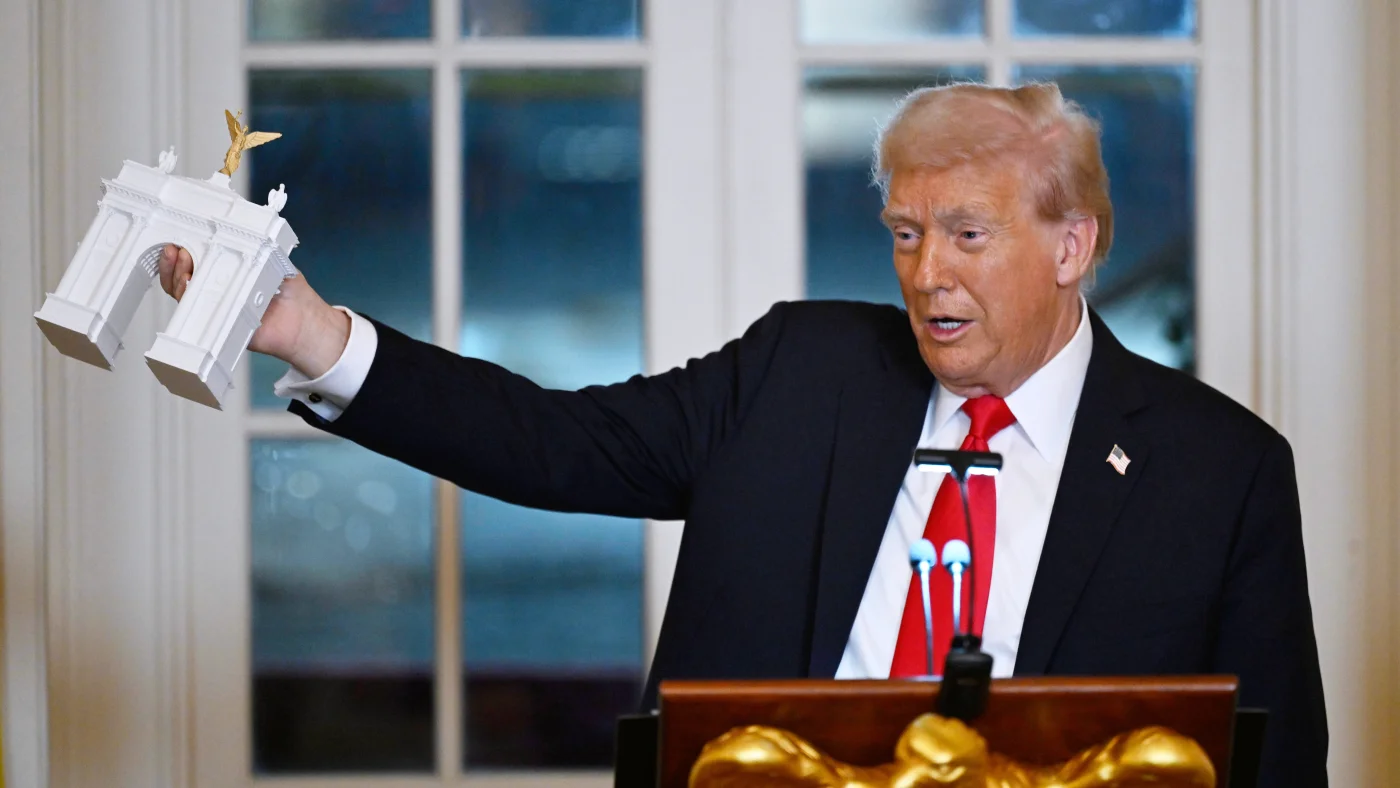
The letter says the firm said no to a number of administration requests. They included work on "Trump Accounts," the census, the renaming of the John F. Kennedy Center for the Performing Arts and challenges to the Postal Service's handling of mail ballots. Kirkland also declined to represent third parties pro bono at the administration's request, among them a veterans' group backing construction of Trump's proposed 250-foot triumphal arch and scientists involved in climate cases. "Critical to Kirkland's willingness to enter into the Truth Social agreement was that it retain absolute discretion in deciding which matters to take," Wilkinson wrote, adding that the firm "has never faced any repercussions or threats from the Administration for turning down work."
The three Democrats were not satisfied. They wrote to all 10 firms on Wednesday demanding details of their agreements, saying the administration "unsuccessfully tried to involve Kirkland & Ellis in work supporting the President's political vanity projects." They noted that the 10 firms collectively promised roughly $1 billion in free legal services. Raskin told reporters the arrangements raise legal questions, pointing to the Antideficiency Act, which bars the executive branch from spending outside congressional appropriations and says federal employees cannot accept free services. "It's an extremely problematic thing if you've got law firms that have been shaken down for their service to Donald Trump," he said.
Trump issued executive orders last year aimed at five firms: Perkins Coie; Paul, Weiss; WilmerHale; Jenner & Block; and Susman Godfrey. The orders targeted their clients, their access to federal buildings and officials, and their employees' security clearances. Trump rescinded the order against Paul, Weiss after the firm pledged $40 million in pro bono work. The other four sued, and four different federal judges struck down the measures as unconstitutional. A federal appeals court has been weighing the administration's bid to revive them since May.
Wilkinson's letter also described how Kirkland reached its deal. She said a consultant, Ballard Partners, spoke in March 2025 with White House official May Mailman, who signaled openness to resolutions with law firms. Four people negotiated for the administration, including Mailman, two Equal Employment Opportunity Commission officials and outside adviser Boris Epshteyn.