JetBlue Sees Opportunity in Spirit Airlines' Collapse at Former Hub Airport
Struggling carrier adds flights at Spirit's former home base as it attempts to return to profitability amid industry consolidation.
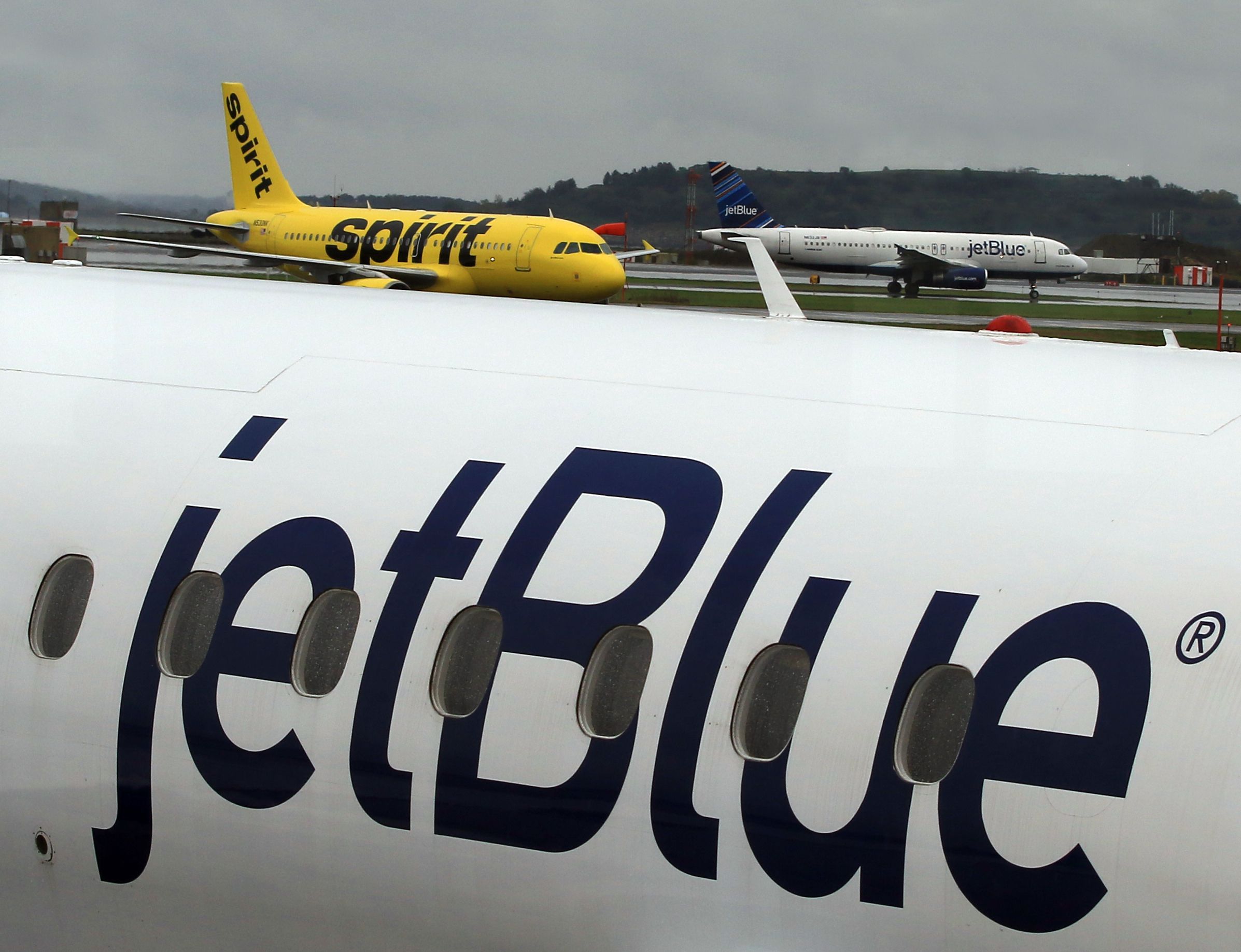
JetBlue Airways is moving aggressively to capitalize on Spirit Airlines' recent collapse by expanding operations at the ultra-low-cost carrier's former home airport, marking a strategic effort to capture market share and routes abandoned by its failed competitor. The expansion represents JetBlue's most significant operational adjustment in years as the airline attempts to return to profitability after struggling with financial challenges and competitive pressures that have plagued the industry.
Spirit Airlines, once the nation's most prominent budget carrier, ceased operations after years of declining performance and mounting financial difficulties that ultimately led to its demise. The airline's collapse has created a significant void in the ultra-low-cost segment of the aviation market, leaving thousands of routes and airport slots available for other carriers to acquire. JetBlue's rapid response to fill this gap demonstrates the company's recognition that Spirit's failure presents a rare opportunity for expansion without the typical barriers to entry at major airports.
The strategic move comes at a critical time for JetBlue, which has been working to restructure its operations and improve its financial performance in an increasingly competitive aviation market. By adding flights at Spirit's former hub, JetBlue can potentially access lucrative routes and time slots that would normally require lengthy negotiations or significant financial investments to obtain. The expansion also allows JetBlue to serve markets that may have been underserved since Spirit's departure, potentially attracting price-conscious travelers who previously relied on the defunct carrier.
Industry analysts view JetBlue's expansion as both an opportunity and a challenge, as the airline must balance rapid growth with operational efficiency and financial discipline. The company's ability to successfully integrate new routes and maintain service quality while expanding will be crucial to achieving its profitability goals. JetBlue's management has indicated that the expansion is part of a broader strategic plan to strengthen the airline's competitive position and take advantage of market opportunities created by industry consolidation.
The collapse of Spirit Airlines and JetBlue's subsequent expansion highlight broader trends in the aviation industry, where smaller carriers face increasing pressure from larger competitors and rising operational costs. JetBlue's success in capitalizing on Spirit's demise could serve as a model for how airlines can grow through strategic opportunism rather than traditional merger and acquisition activities. However, the company's ability to execute this expansion while returning to profitability will ultimately determine whether this strategy proves successful in the highly competitive airline industry.