Global Jet Fuel Shortage Drives Up Air Travel Costs Amid Iran Conflict
American flyers face rising ticket prices as Iran war disrupts fuel supplies and drives energy costs to multi-year highs.
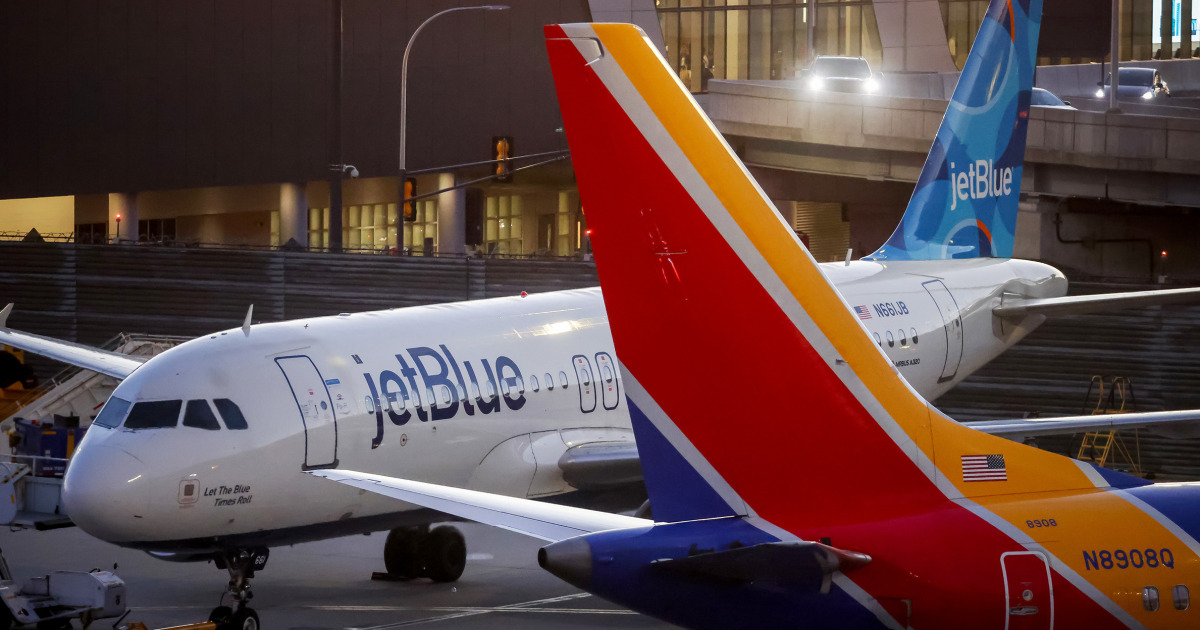
A global shortage of jet fuel is significantly increasing the cost of air travel for American consumers, as the ongoing conflict with Iran continues to disrupt energy markets and drive fuel prices to levels not seen in several years. The shortage has created a ripple effect throughout the aviation industry, forcing airlines to absorb higher fuel costs that are increasingly being passed on to passengers through elevated ticket prices. Aviation industry analysts warn that the situation could persist for months as geopolitical tensions continue to affect global energy supplies.
Jet fuel prices have surged dramatically since the Iran conflict began, with supply disruptions affecting refineries and distribution networks that serve major aviation markets. The conflict has particularly impacted fuel supplies in regions critical to global aviation, creating bottlenecks that have reduced available jet fuel inventories worldwide. Airlines, which typically hedge against fuel price volatility, are finding their existing contracts insufficient to shield them from the current magnitude of price increases, forcing them to implement fuel surcharges and adjust ticket pricing structures.
American travelers, already dealing with persistent challenges including lengthy airport security lines and flight delays, now face the additional burden of higher travel costs just as many were beginning to resume pre-pandemic travel patterns. The timing is particularly challenging for the travel industry, which has been working to rebuild customer confidence and travel volumes following years of pandemic-related disruptions. Airlines are reporting that the fuel cost increases represent their largest operational expense challenge since the early days of the COVID-19 pandemic.
The jet fuel shortage extends beyond simple price increases to actual supply constraints, with some airports and airlines reporting difficulties securing adequate fuel supplies for scheduled operations. This has led to operational adjustments including flight consolidations, route modifications, and in some cases, flight cancellations when fuel availability becomes critically limited. Industry experts note that jet fuel supply chains are particularly vulnerable to geopolitical disruptions due to the specialized refining processes required and the limited number of facilities capable of producing aviation-grade fuel.
Aviation industry leaders are calling for government intervention to help stabilize fuel supplies and are exploring alternative supply arrangements to reduce dependence on regions affected by the Iran conflict. Some airlines are implementing more aggressive fuel conservation measures, including optimizing flight paths, reducing aircraft weight, and adjusting operational procedures to maximize fuel efficiency. The situation has also renewed industry interest in sustainable aviation fuels and alternative energy sources, though these technologies remain insufficient to address immediate supply shortages. Travel industry experts advise consumers to expect continued elevated prices for air travel until geopolitical tensions ease and normal fuel supply chains can be restored.