Iran's Parliament Wants to Charge Ships 7% of Their Cargo to Cross Hormuz — and Bar American and Israeli Vessels Entirely
The draft would keep 'hostile' ships out until Tehran is compensated for war damage and fine violators a fifth of their cargo. A U.S. official told NPR the strait is international water and 'no party controls the lanes.'

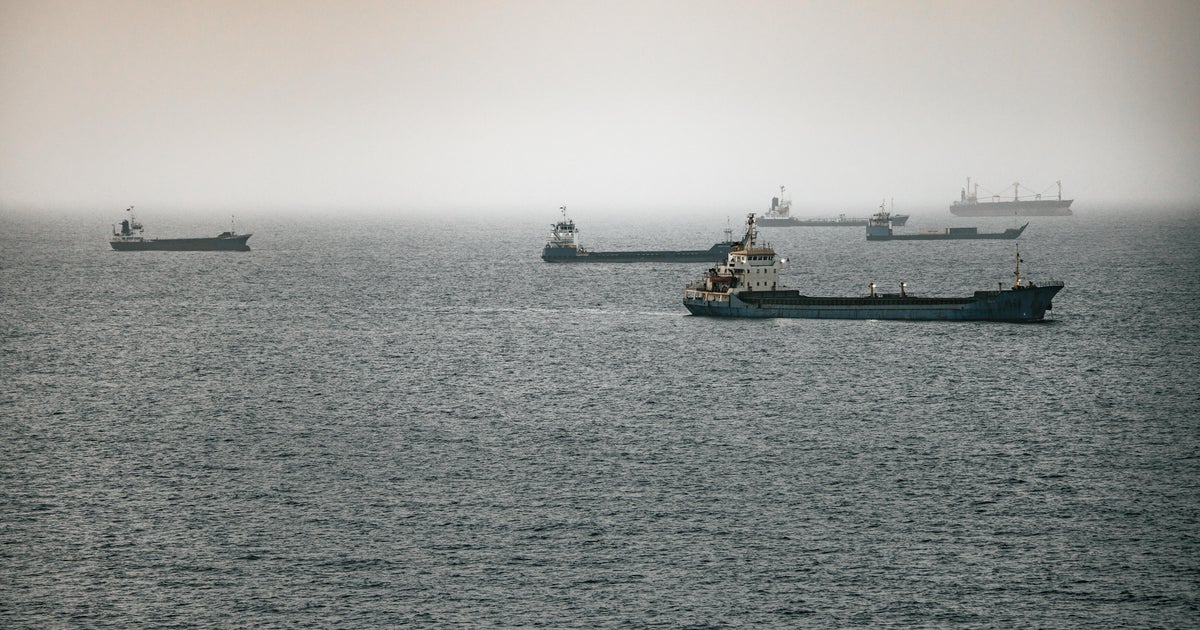
Iran's parliament is reviewing a plan that would formally convert the Strait of Hormuz from an international waterway into a tolled corridor under Tehran's control. According to Iranian state media, the draft would bar ships linked to the United States, Israel and other countries Iran designates as hostile from transiting the strait until Tehran is compensated for damage from the war.
For everyone else, there would be a bill. The plan would impose fees of up to 7% of cargo value on commercial vessels passing through, and fine ships 20% of their cargo if they violate Iran's conditions. The text is under review by parliament's National Security and Foreign Policy Committee, which has invited outside specialists to submit recommendations before it is finalized.
Iran said Wednesday it was finalizing a separate arrangement with Oman, the U.S. ally on the opposite shore, to govern shipping lanes. Iranian state media quoted the Foreign Ministry as saying vessels would enter through the northern corridor near the Iranian coast and exit through the southern corridor near the Omani coast.
The Trump administration disputes that any of this is Iran's to decide. "Any temporary routes will be without any impediments — meaning no approvals or permissions and no tolls or charges," a U.S. official told NPR, speaking anonymously because they were not authorized to comment publicly. "The Strait of Hormuz is an international waterway and no party controls the lanes or the ability to transit through them." President Donald Trump later said the United States currently controls the strait through its naval blockade of Iran.
The dispute is more than five months old. The U.S. and Israel began their war against Iran on Feb. 28. Tehran struck back across the region and asserted control over the waterway, through which crude oil, liquefied natural gas and a large share of global fertilizer supplies move. Washington imposed a naval blockade on Iran in April and again in July, and continues to enforce it. A temporary memorandum of understanding signed in mid-June to end the fighting and reopen the strait collapsed within weeks under renewed strikes from both sides.
The economic consequences have been global and are still compounding. The strait's closure has disrupted fuel and fertilizer supplies, driven up prices and destabilized economies far from the Persian Gulf. In the United States, regular gasoline averaged $4.04 a gallon Friday, up 36% since the war began, and inflation is running at 3.5% against the Federal Reserve's 2% target.
Trump said Thursday that negotiations to reopen the strait were progressing. Turkey's foreign minister, who has been helping mediate, said the same day that a temporary U.S.-Iran agreement could be announced soon. Gulf governments, which have taken the brunt of Iranian missile and drone retaliation, are pushing hard for an interim deal, worried that a new round of escalation — which Trump has threatened — would put their oil infrastructure within range.
The parliamentary bill cuts against all of that. Even as a draft, it establishes a bargaining position: Iran is claiming a legal right to price access to a waterway the rest of the world treats as a commons.