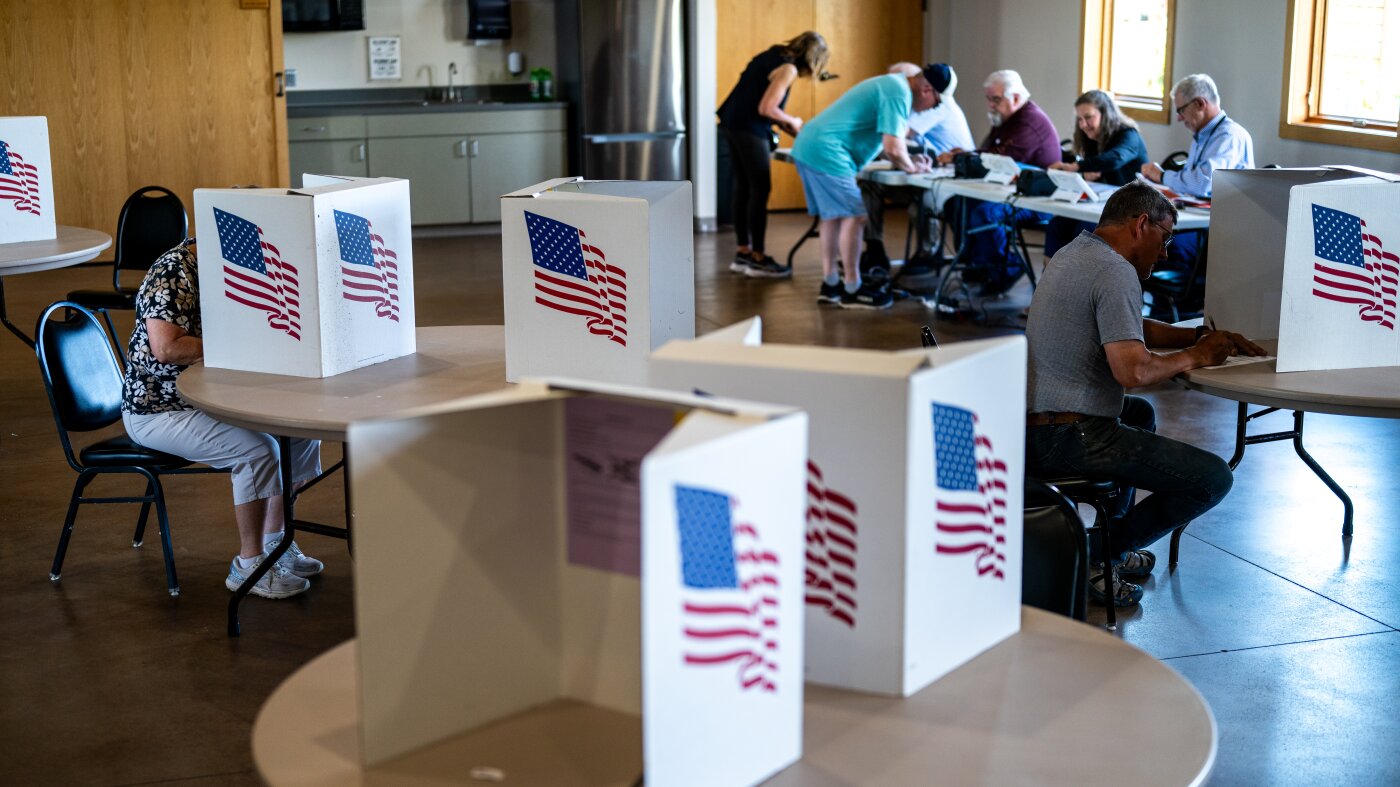
Iowa Republican Primary for Governor Strained by Growing G.O.P. Fatigue Among Voters
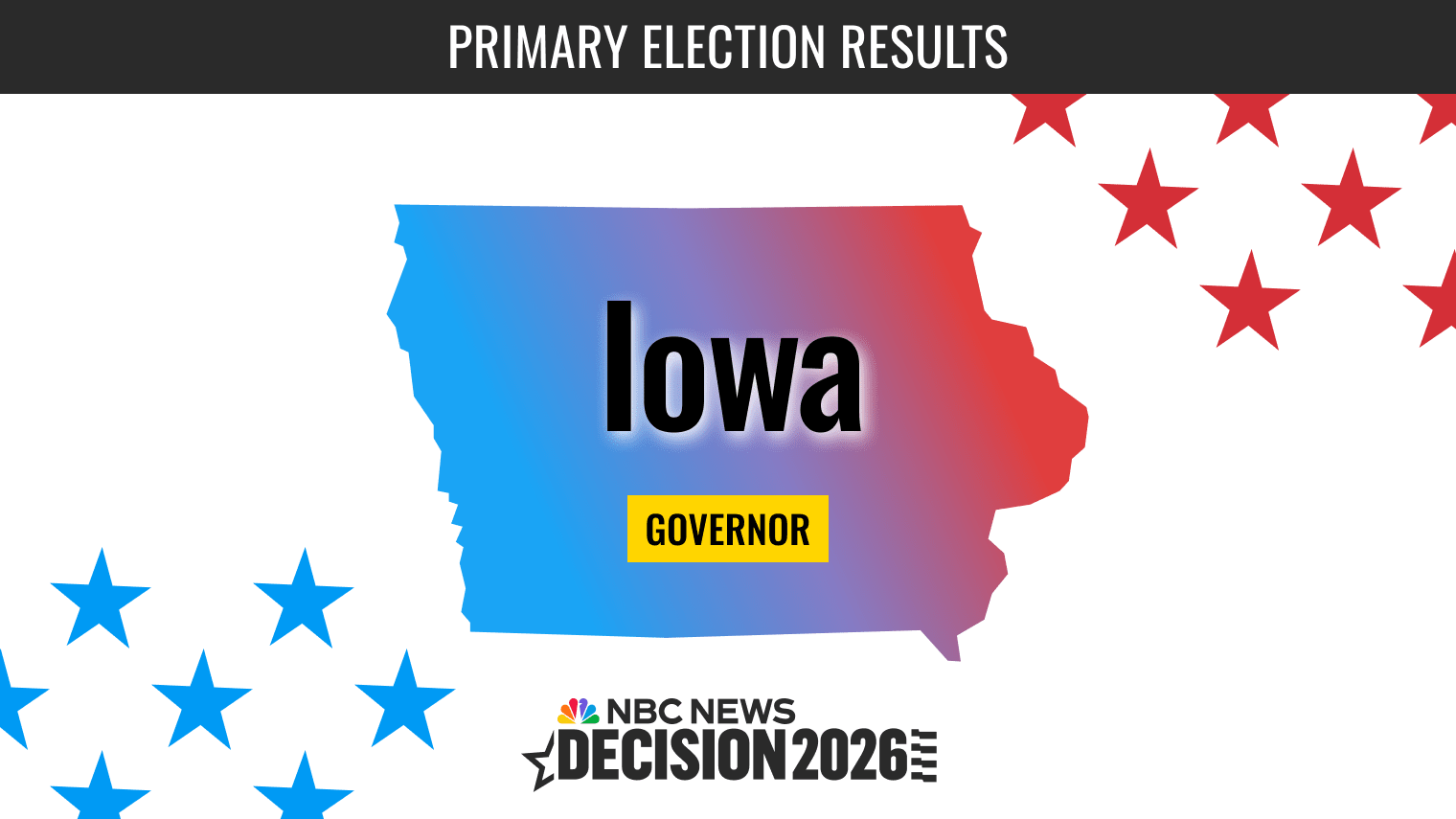
Five candidates battle for nomination in June 2 primary as party enthusiasm wanes ahead of November showdown with Democrat Rob Sand.

The Republican primary race for Iowa governor has become increasingly contentious as five candidates compete for the party's nomination in the June 2 primary, with early signs suggesting voter fatigue may be dampening traditional GOP enthusiasm in the state. The winner will face Democrat Rob Sand in what promises to be a closely watched November general election.
Campaign observers and political analysts have noted unusually low energy at recent Republican events and fundraising challenges that suggest the party's typical organizational advantages may be diminished this cycle. The crowded primary field has fragmented traditional Republican coalition groups, with candidates struggling to build the broad-based support that has historically characterized successful Iowa GOP campaigns.
The five-way race has created internal divisions within the state Republican Party, as different factions rally behind competing candidates with varying approaches to key issues including agriculture policy, education funding, and economic development. These primary battles have consumed resources and attention that would typically be focused on preparing for the general election against the Democratic nominee.
Rob Sand, the likely Democratic nominee, has been building his campaign organization while Republicans remain locked in their primary fight. Political strategists note that Sand's early start and unified Democratic support could provide significant advantages, especially if Republican primary voters remain divided or unenthusiastic about their eventual nominee.
The Iowa governor's race is being watched nationally as a potential bellwether for broader political trends in traditionally Republican-leaning Midwest states. Recent polling suggests that voter concerns about economic issues and education policy may be shifting traditional partisan loyalties, creating opportunities for Democratic candidates in races that would have been considered safe Republican seats in previous election cycles.