California Governor's Race Reflects Chaotic Field as Newsom Successor Battle Heats Up
Four candidates have emerged as leaders in the primary election to succeed Governor Gavin Newsom, with polls showing a highly competitive and unpredictable race.
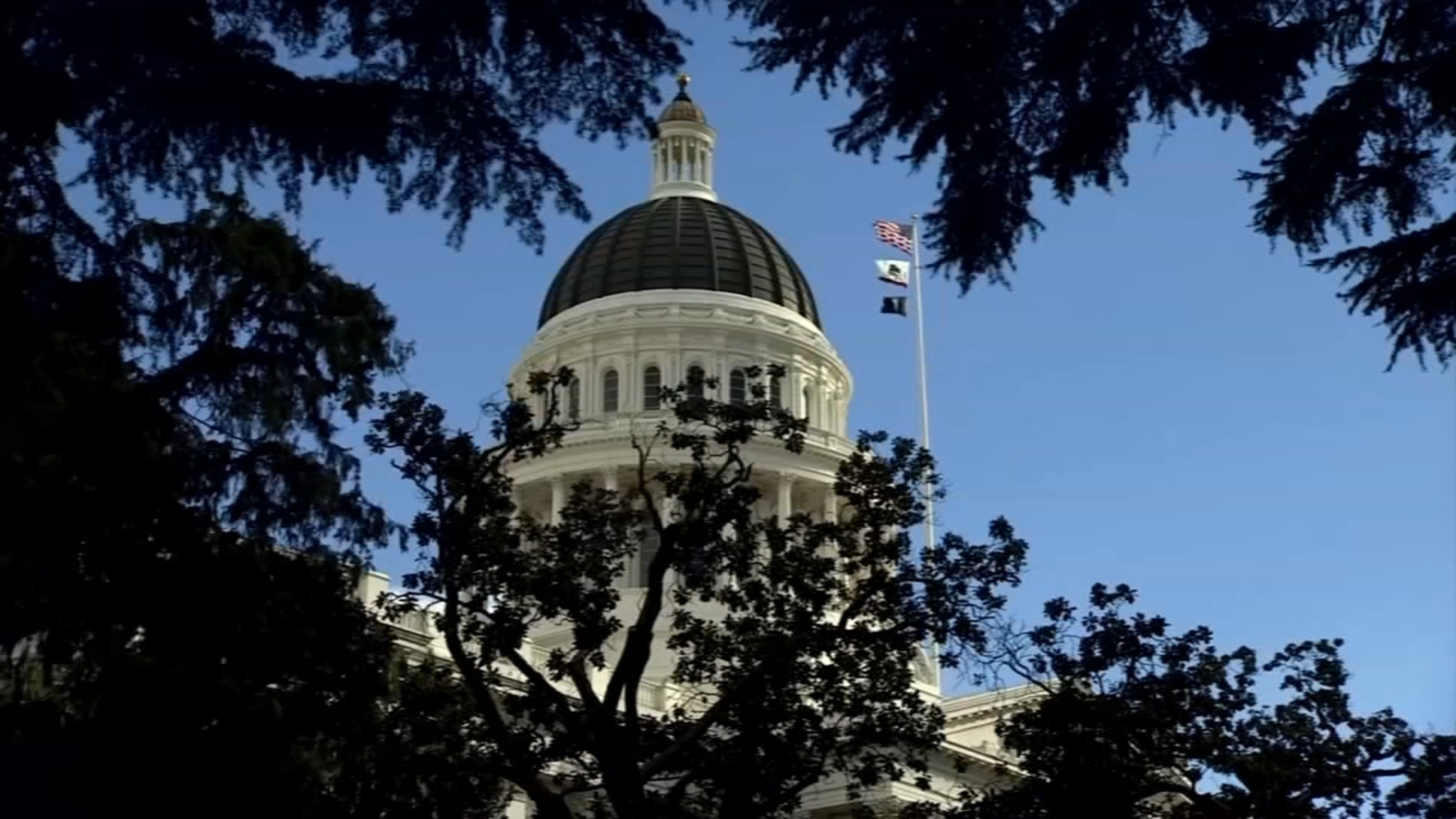
California's gubernatorial race to succeed Governor Gavin Newsom has evolved into one of the most unpredictable and chaotic political contests in recent state history, with polling data revealing a fluid four-way battle among the leading candidates. The primary election has captured national attention as California's next governor will lead the nation's most populous state and fifth-largest economy during a critical period of political and economic transition.
Recent polling indicates that four candidates have separated themselves from the larger field, though the margins between them remain extremely tight and within polling error ranges. The competitive nature of the race reflects deep divisions within California's Democratic Party as well as uncertainty about the direction voters want the state to take following Newsom's tenure. Political analysts describe the contest as unusually volatile, with candidate positions and voter preferences shifting significantly in recent weeks.
The race has been further complicated by sexual assault allegations against Congressman Eric Swalwell, one of the prominent candidates, which have rattled the campaign and forced other contenders to address questions about character and fitness for office. These allegations have injected an additional element of unpredictability into an already complex primary battle, with campaigns carefully navigating how to respond to the controversy while maintaining focus on policy differences.
California's unique political landscape, characterized by diverse regional interests and a large independent voter bloc, has made traditional polling and political forecasting particularly challenging in this cycle. The state's top-two primary system, which advances the two highest vote-getters regardless of party affiliation, adds another layer of strategic complexity as candidates must appeal to both partisan bases and moderate swing voters simultaneously.
The outcome of California's gubernatorial primary will likely have significant implications for national Democratic politics, particularly as the party prepares for the 2028 presidential election cycle. Several of the leading candidates are considered potential future national figures, making the California race a closely watched indicator of Democratic Party direction and voter sentiment in the nation's largest blue state. The winner will inherit significant challenges including housing affordability, homelessness, and economic inequality that have defined California politics for the past decade.