Europeans Consider Ukraine Peace Envoy as Debate Intensifies Over Putin Talks
Before anointing someone to negotiate with Russia, European leaders are grappling with fundamental questions about what they would actually discuss.
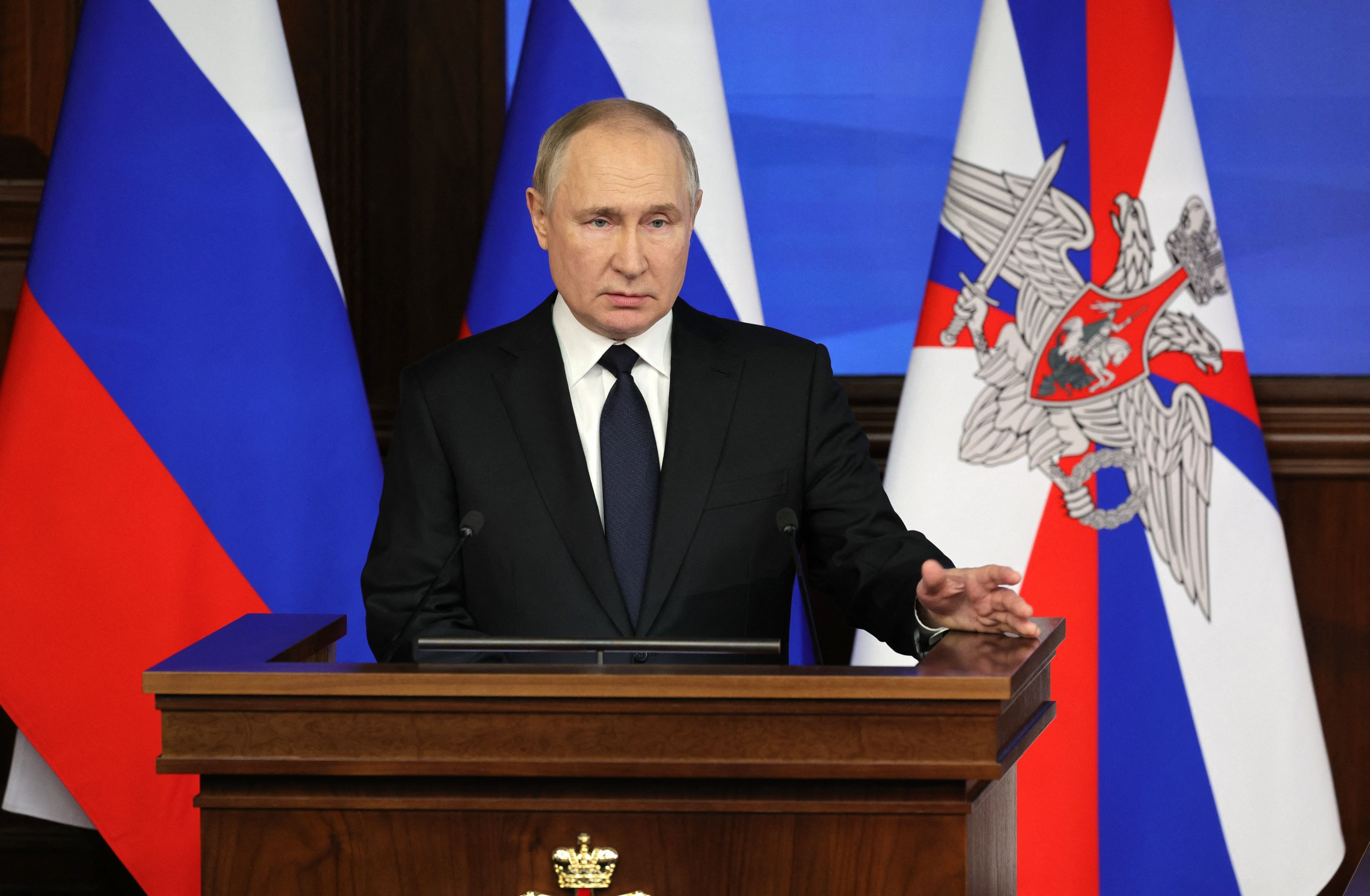
European leaders are actively considering the appointment of a special envoy to participate in potential Ukraine peace talks with Russia, but the initiative has exposed deep divisions over what objectives such negotiations should pursue. The discussions reflect growing pressure within Europe to find a diplomatic path forward in the prolonged conflict, even as many officials warn that fundamental strategic questions remain unresolved before meaningful talks can begin.
The debate over appointing a Ukraine peace envoy has highlighted the complex challenge facing European policymakers as they attempt to balance support for Ukraine with growing domestic concerns about the war's duration and costs. While some European capitals advocate for immediate diplomatic engagement, others argue that premature negotiations could legitimize Russian territorial gains and undermine Ukraine's sovereignty. These disagreements have complicated efforts to present a unified European position on potential peace initiatives.
Critical questions about the scope and parameters of any peace talks remain unanswered, creating significant obstacles for potential diplomatic efforts. European officials are struggling to define what concessions, if any, would be acceptable in exchange for ending hostilities, and how to address fundamental issues such as territorial integrity, security guarantees, and reconstruction responsibilities. The lack of consensus on these core issues has slowed progress toward establishing a coherent negotiating framework.
The appointment of a special envoy would represent a significant shift in European diplomatic strategy, potentially creating new channels for communication with Russia while maintaining existing support structures for Ukraine. However, the initiative faces skepticism from some allies who worry that premature diplomatic engagement could signal wavering European resolve and encourage Russian intransigence. These concerns have intensified debates about the timing and conditions under which meaningful negotiations might be possible.
As European leaders continue their deliberations, the broader question of how to balance diplomatic engagement with continued military and economic support for Ukraine remains unresolved. The outcome of these internal European debates could significantly influence the trajectory of the conflict and determine whether diplomatic initiatives gain momentum or remain stalled by fundamental disagreements over objectives and strategy. The appointment decision is expected to reflect broader European assessments of both Russian intentions and the realistic prospects for achieving sustainable peace through negotiated settlement.