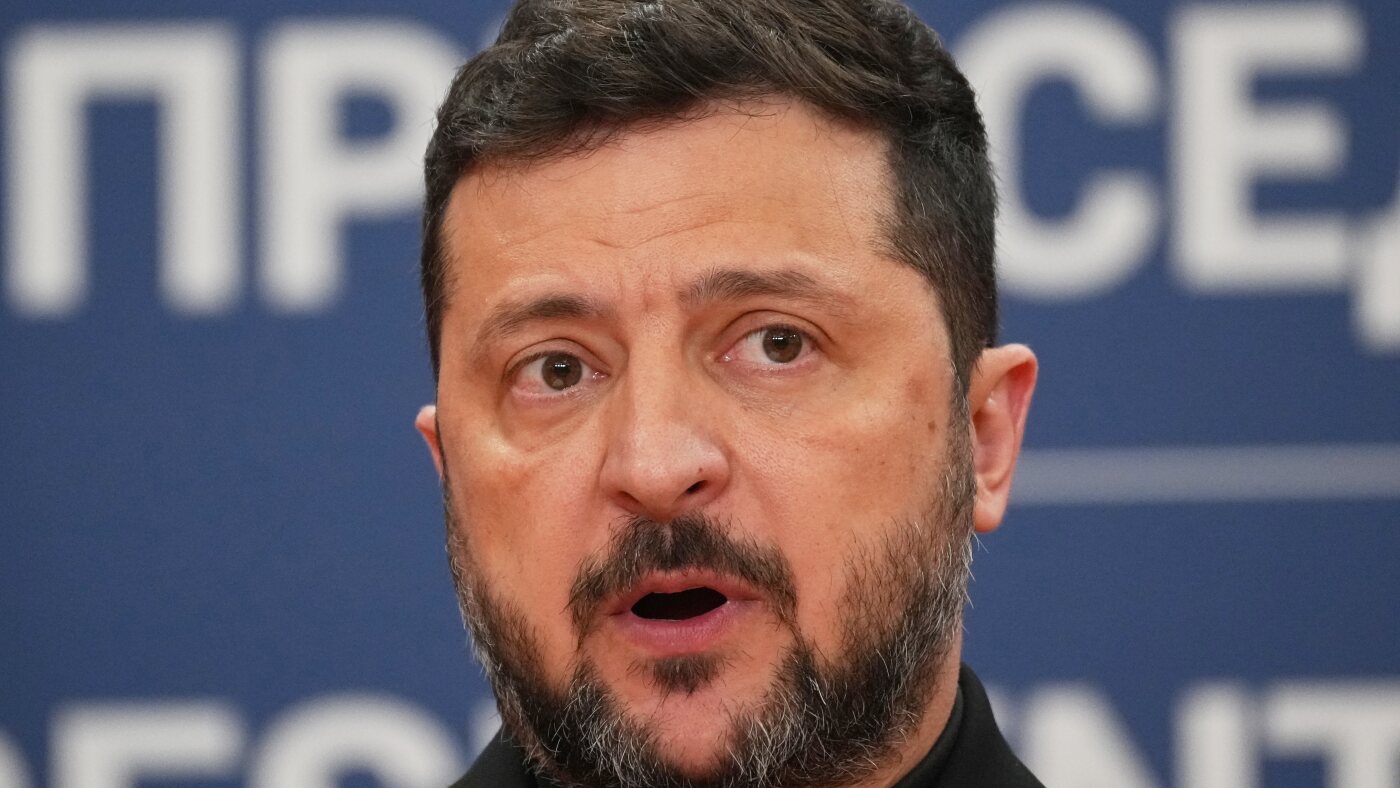
Zelenskyy Says He Will Hand Washington Evidence That Russian Satellites Are Feeding Iran Targeting Data on U.S. Bases
Ukraine says it has tracked Russian orbital surveillance of four Gulf air bases in a single 24-hour window, with the imagery surfacing in Iranian hands before and after strikes on American troops.
Ukrainian President Volodymyr Zelenskyy says he intends to give the United States evidence that Russia is using its satellite network to help Iran aim at American military installations across the Middle East — an allegation that, if substantiated, would place Moscow directly inside a war that has already killed American troops.
"Since the beginning of July, we have recorded active Russian satellite surveillance of the Gulf states and U.S. military facilities located there," Zelenskyy said. "These images subsequently appear in Iran." Ukrainian intelligence, he said, has found a repeating pattern: Russian imaging passes over a base, Iranian munitions arrive, and then Russian satellites pass over the same coordinates again to photograph what was destroyed. The second pass is the part Ukrainian analysts consider hardest to explain away, because damage assessment has no purpose other than to refine the next strike.
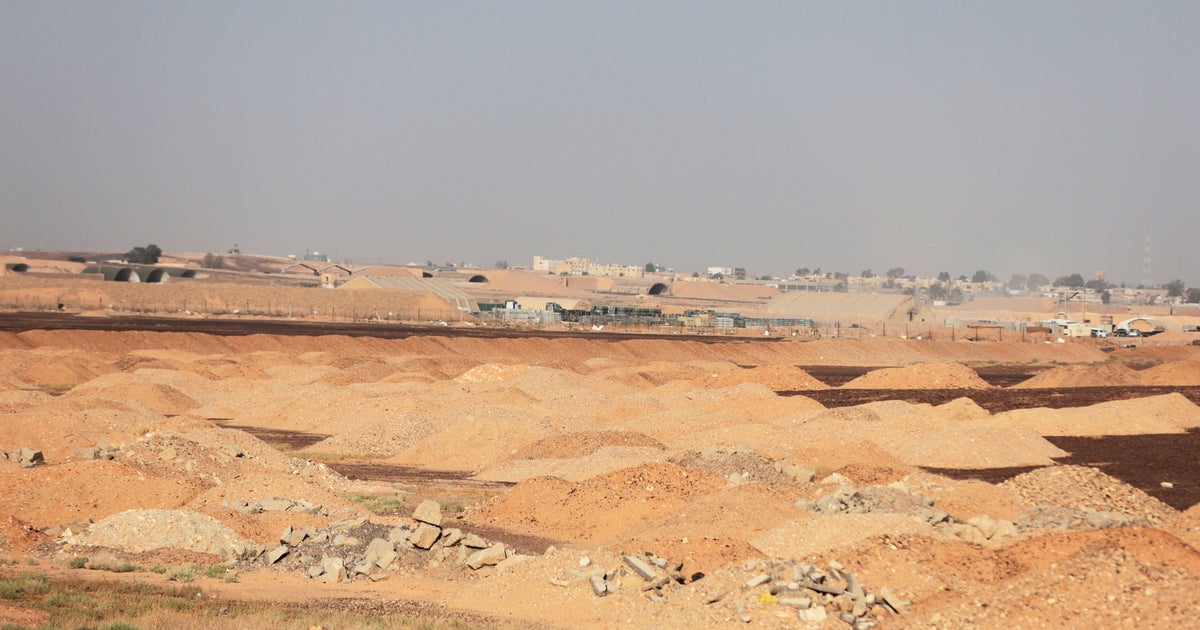
Zelenskyy pointed to a single 24-hour period, July 19 to 20, in which four air bases fell inside the surveillance footprint: two in Bahrain, one in Jordan and one in Kuwait. Roughly 45,000 American personnel are stationed across the region, spread among a dense network of air bases and supported by deployable air and naval fleets — a target set that is large, fixed and, from orbit, easy to catalog.
The American casualty toll has climbed steadily through the conflict, though the official count is itself contested — the Pentagon this week revised its own figure downward from 18 dead to 14, removing four troops killed this month. By CBS News's tally, recent deaths include three service members at Muwaffaq Salti Air Base in Jordan and one killed during a controlled demolition in Iraq. Earlier in the war, six were killed in a March strike on a Kuwait installation, six more died in a plane crash in Iraq the same month, and one was killed at Prince Sultan Air Base in Saudi Arabia. Nearly 100 Americans have been wounded across multiple Iranian airstrikes.
Inside the administration, the response has split. Defense Secretary Pete Hegseth acknowledged outside help without naming a mechanism: "There are ways in which both of those countries are limiting, at different levels, enabling some of the things Iran is doing, yes," he said, referring to Russia and China. President Trump contradicted him directly, saying he did not believe either country was assisting Iran and that both leaders had personally assured him they were not.
For Kyiv, the accusation carries an obvious strategic logic. Zelenskyy has spent months arguing that Russia's war on Ukraine and Iran's war on American forces are branches of the same problem, and that American weapons diverted to the Gulf are weapons Ukraine does not get. Handing Washington satellite-tracking data that puts Russian hardware over U.S. bases is the most direct version of that argument he can make. The White House has not said whether it has received the material or what it would do with it.