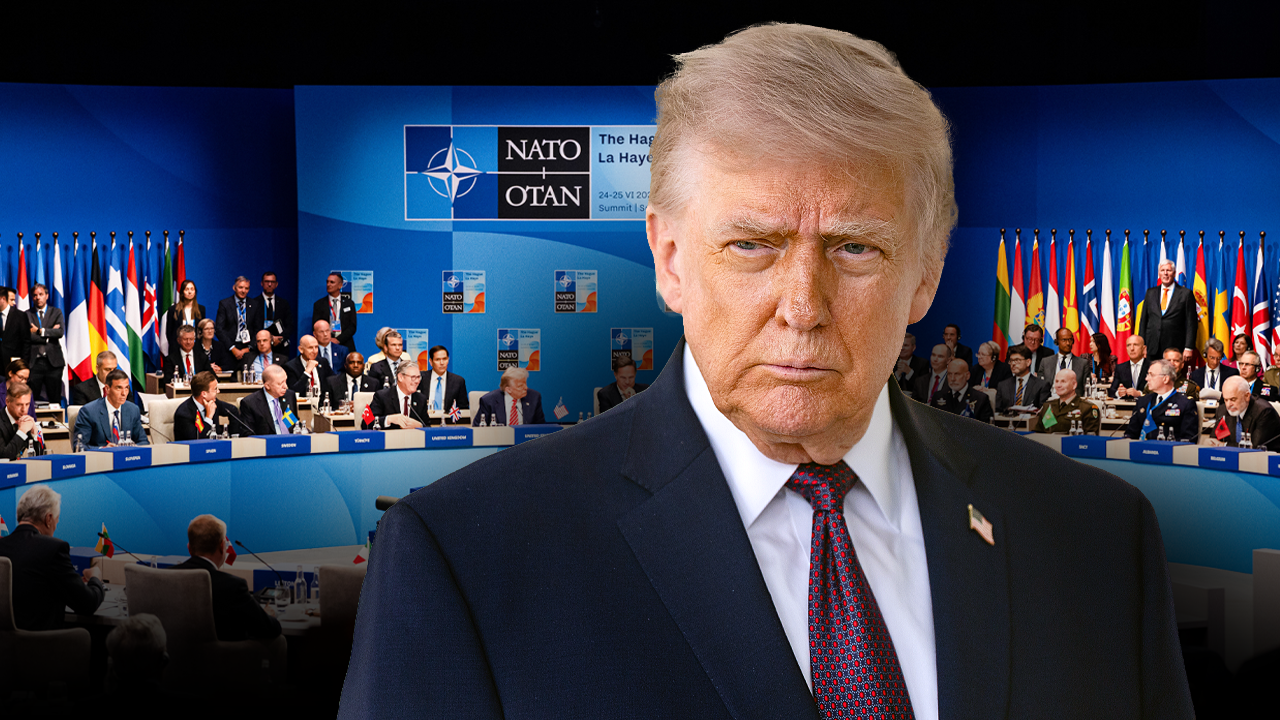
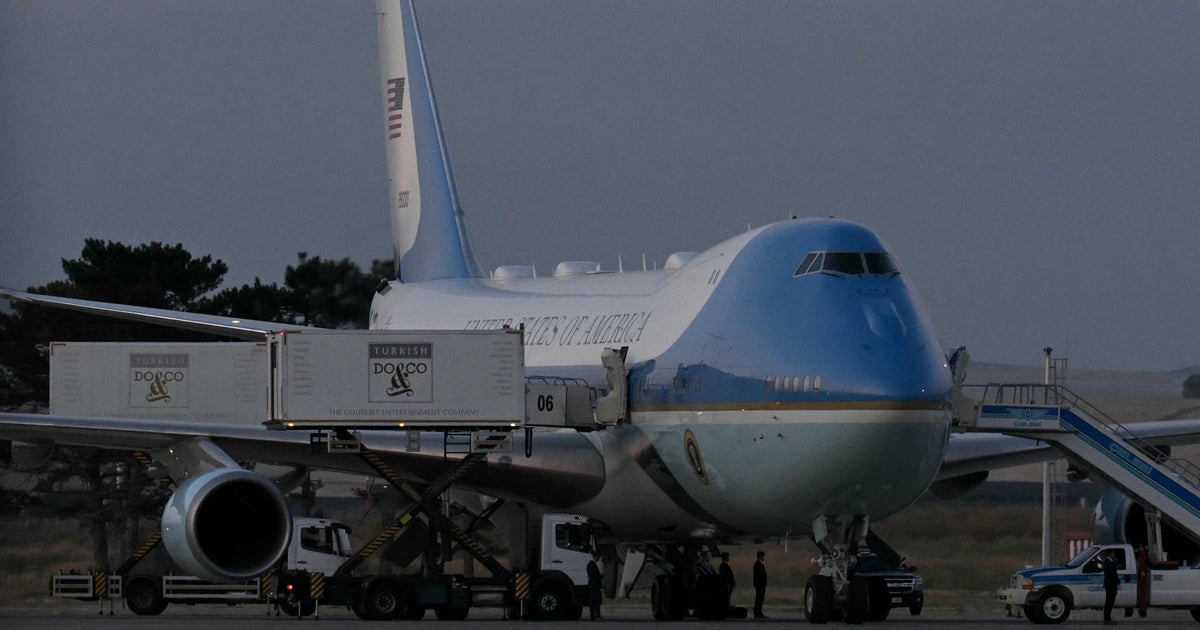
Turkey's Parliament Voted 468 to Free Thousands of PKK Fighters
The One Prisoner the Group Wants Out Isn't Covered.
The law creates the legal machinery to dissolve the Kurdistan Workers' Party after four decades of war, with about 3,500 detainees expected out in a first phase. Abdullah Ocalan is excluded, and nothing takes effect until Turkey verifies full disarmament.
Turkey's parliament passed a law on Monday establishing the legal framework for dissolving the Kurdistan Workers' Party, the largest single step any Turkish government has taken toward ending a conflict that has run since 1984. The vote was 468 in a 600-seat chamber — a margin that required President Recep Tayyip Erdogan's AK Party, its nationalist MHP allies and the pro-Kurdish DEM Party to vote the same way, which almost nothing in Turkish politics normally achieves.
The legislation is narrower than the word "amnesty" suggests. It provides legal protections for former militants who have not been convicted of specific crimes, and it allows prison sentences to be suspended for some people convicted of PKK membership, opening a path back into civilian life. Roughly 3,500 PKK-linked detainees are expected to be released in a first phase. Fighters accused of individual acts of violence are not swept up in the measure.
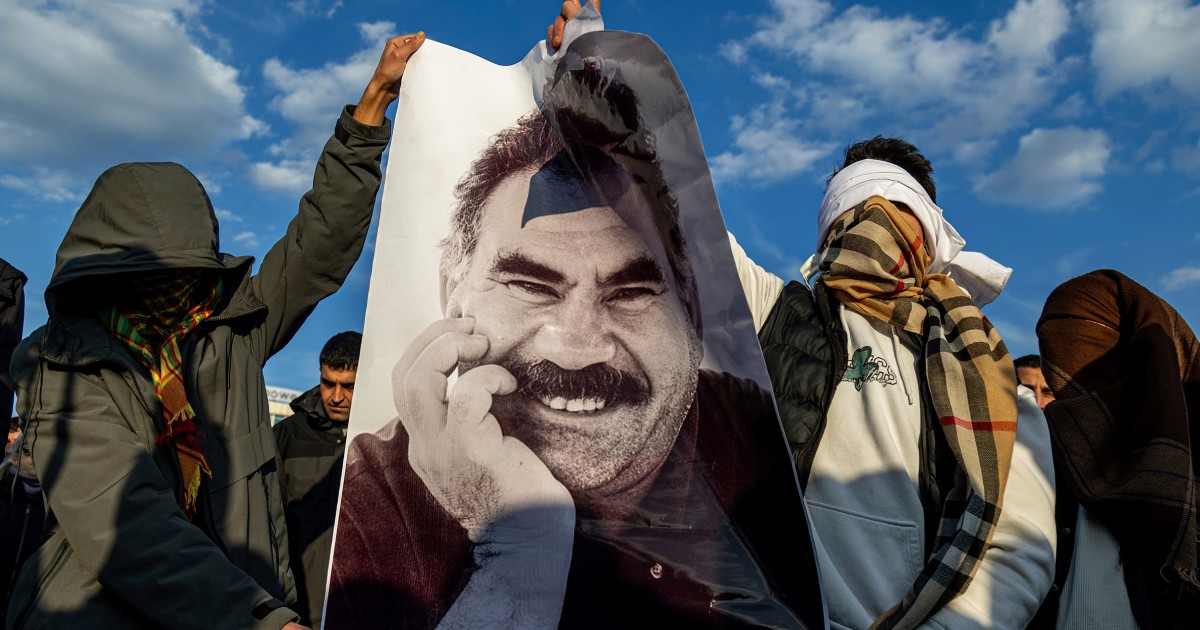
Two limits define the law more than its provisions do. The first is timing: it takes effect only after Turkish authorities verify that the PKK has fully disarmed. The vote is a promise conditioned on a disarmament process that Ankara alone certifies. The second is Abdullah Ocalan. The PKK's imprisoned founder, held on Imrali island since 1999, is explicitly excluded — and his release has been the group's central demand throughout every round of talks. Parliament has offered the rank and file a route home while leaving the man who founded the organization exactly where he is.
That omission is not an oversight. Ocalan remains the most politically radioactive prisoner in Turkey, and any move to release him would cost Erdogan the nationalist coalition partners whose votes he needs. Keeping the founder in prison is what made the 468 possible. Whether the PKK's fighters accept a deal built on that arithmetic is the question the law does not answer.
The conflict the law aims to close has killed roughly 40,000 people over four decades and shaped Turkish domestic politics, its relations with Iraq and Syria, and its posture inside NATO. Previous peace attempts — most notably the process that collapsed in 2015 — foundered on exactly the sequencing problem this bill now formalizes: who disarms first, and who verifies it.
A PKK source described parliament's approval of the roadmap as an important step. That is a long way from an endorsement, and it is the tone the entire process has carried since it restarted. What changed on Monday is that the terms of a settlement now exist in Turkish statute rather than in negotiating rooms. What has not changed is that the group is being asked to disband before the state does anything irreversible in return.