Trump's Sharp Turn on China: Embracing It as a Peer Power
President Trump's warming relationship with Xi Jinping has ignited anxieties across Washington and Asia as the administration shifts its approach to China policy.
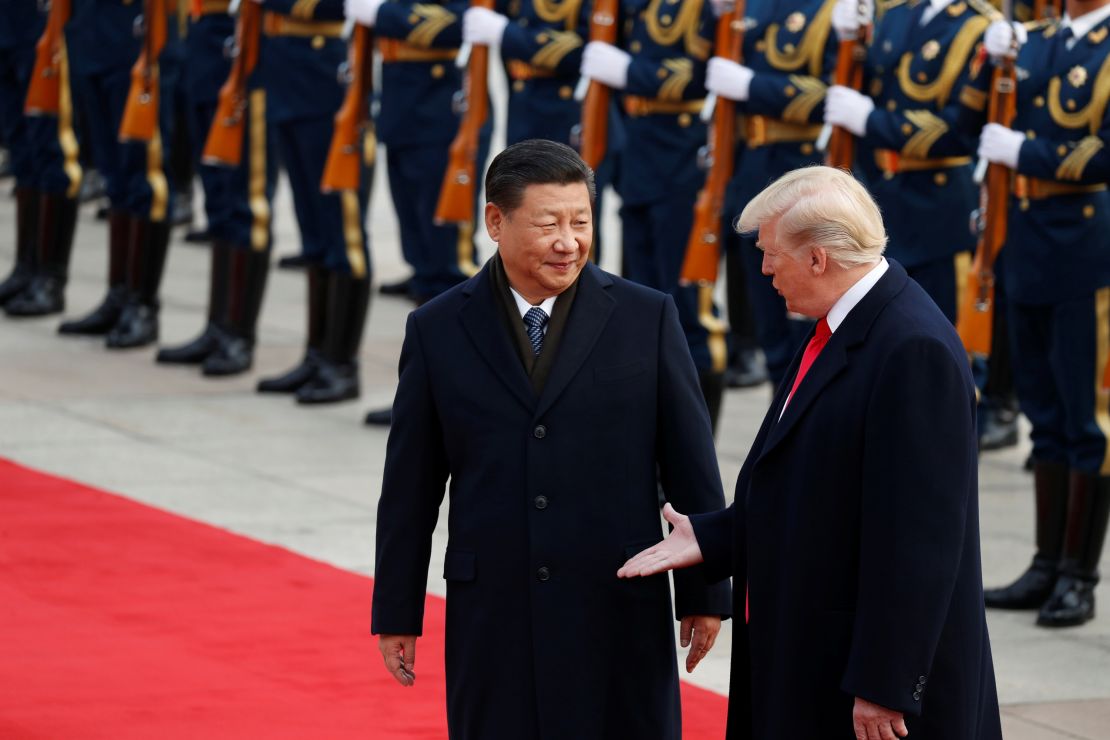
President Trump's increasingly warm relationship with Chinese leader Xi Jinping represents a dramatic shift in U.S.-China relations that has generated significant concern among policymakers in Washington and across Asia. The president's apparent embrace of China as a peer power marks a notable departure from previous confrontational approaches and has raised questions about America's strategic commitments in the region. Trump's admiration for Xi Jinping, whom he has publicly praised for his leadership style, has become a defining characteristic of the current administration's foreign policy approach toward Beijing.
The warming between the two leaders has manifested in increased diplomatic engagement and what sources describe as frequent communications between Trump and Xi. This personal relationship appears to be driving broader policy changes that have surprised many traditional China hawks within the Republican Party and the foreign policy establishment. The shift has been particularly notable given the previous tensions over trade disputes, technology competition, and territorial disputes in the South China Sea that had characterized U.S.-China relations in recent years.
Across Asia, allied nations are expressing growing anxiety about the implications of Trump's China policy evolution. Traditional partners including Japan, South Korea, and Australia are reportedly concerned about potential changes to U.S. security commitments in the region. The uncertainty has prompted these nations to reassess their own strategic positions and consider contingency plans for maintaining regional stability without as robust American involvement. Diplomatic sources indicate that several Asian capitals are seeking clarification about long-term U.S. intentions in the region.
In Washington, the president's approach has created tensions within his own party and with congressional leaders who have traditionally taken harder lines on China policy. Some Republicans have expressed concerns that the administration may be moving too quickly to normalize relations without securing concrete commitments from Beijing on issues including human rights, trade practices, and territorial disputes. Intelligence officials have also raised questions about the strategic implications of closer U.S.-China cooperation.
The policy shift comes at a time when China's global influence continues to expand through initiatives such as the Belt and Road project and increasing technological capabilities. Analysts suggest that Trump's embrace of China as a peer power may reflect a pragmatic recognition of Beijing's growing strength, but critics argue that it could undermine decades of American strategic positioning in the Asia-Pacific region. The long-term implications of this diplomatic realignment remain unclear as both nations navigate complex domestic and international pressures.