Xi Jinping Visits North Korea for First Time in Seven Years, Pledging 'Powerful Momentum' With Kim
The Chinese leader's rare state visit to Pyongyang reasserted Beijing's role as North Korea's most important partner, even as Kim Jong Un deepens ties with Russia.

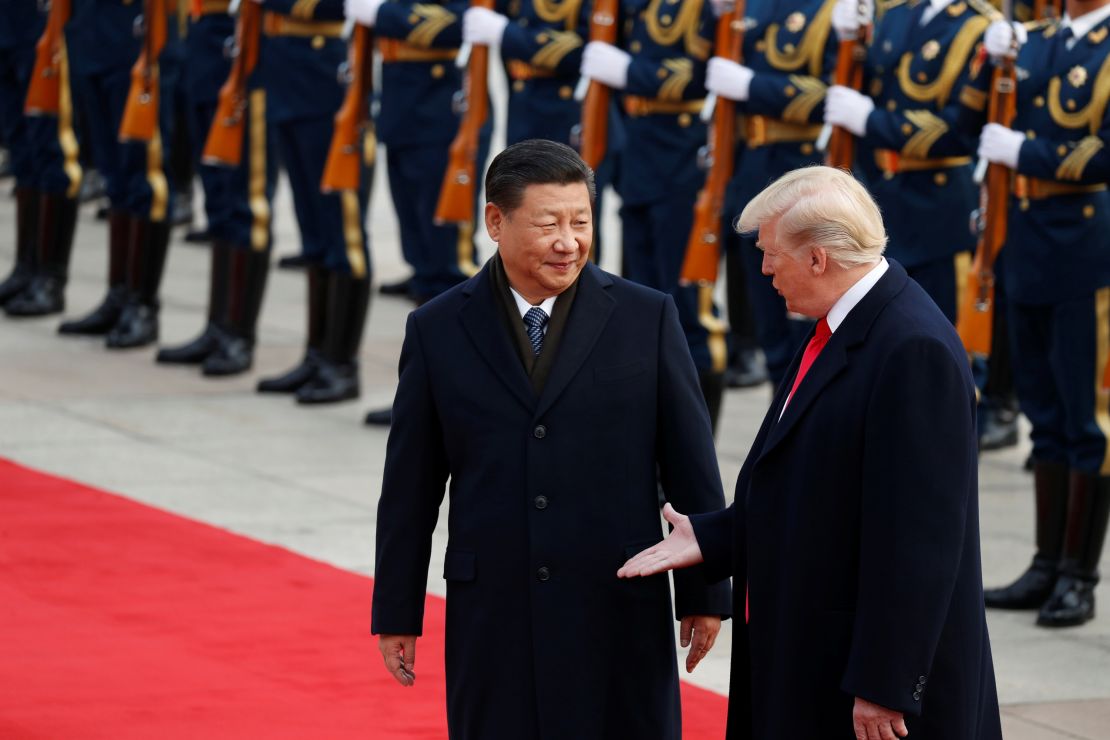
Chinese leader Xi Jinping traveled to North Korea this week for the first time in seven years, a rare state visit aimed at reasserting Beijing's standing as Pyongyang's most critical economic and diplomatic partner. Xi and his wife, Peng Liyuan, were received by Kim Jong Un during the visit, which ran June 8 to 9, in a carefully choreographed display of warmth between the two governments.
Xi called for the two sides to inject "powerful momentum" into their relationship, according to the Chinese state news agency Xinhua, and both leaders agreed to pursue closer "strategic communication" and cooperation. Kim, for his part, lavished praise on his guest, calling Xi "the greatest state guest" and saying he regarded Xi's decision to make North Korea the destination of his first foreign trip of the year as "the most encouraging support" for his country.
The summit carried significance well beyond the ceremonial. Xi's visit was widely read as an attempt to counterbalance North Korea's deepening relationship with Russia, which has expanded rapidly amid the war in Ukraine and the flow of North Korean munitions and troops to Moscow. By reappearing in Pyongyang after a seven-year absence, Xi signaled that China does not intend to cede its traditional influence over its neighbor to the Kremlin.
The timing was also notable. The trip came only weeks after Xi played host in Beijing to both Russian President Vladimir Putin and President Donald Trump, underscoring China's effort to position itself at the center of the world's most consequential diplomatic relationships. Analysts noted that Kim is engaging from what appears to be a position of unusual strength, courted simultaneously by Beijing and Moscow even as his nuclear program advances.
For North Korea, long isolated and battered by sanctions, the optics of hosting the Chinese leader were a propaganda windfall. State media broadcast images of the two men together across the country. Whether the renewed pledges translate into concrete economic relief or expanded trade remains to be seen, but the visit made clear that, after years of relative distance, Beijing is again actively competing for influence over the heavily armed, unpredictable state on its border.