Trump Scales Back China Trade Ambitions as Economic Realities Force Strategic Retreat
The president who promised the toughest trade stance on China in history has been forced to moderate his approach amid mounting economic pressures.

President Trump entered office in January 2025 with sweeping promises to implement the harshest trade measures against China in American history, vowing to fundamentally reshape the economic relationship between the world's two largest economies. However, just four months into his second term, the administration has been forced to scale back many of its most ambitious trade initiatives as economic realities and global market pressures have proven more challenging than anticipated.
The retreat from Trump's original China trade agenda represents a significant political and economic recalibration for an administration that built much of its campaign messaging around taking a tougher stance on Beijing than any previous president. Sources within the administration indicate that several factors have contributed to this strategic shift, including concerns about inflation, supply chain disruptions, and the potential for Chinese retaliation that could harm American businesses and consumers.
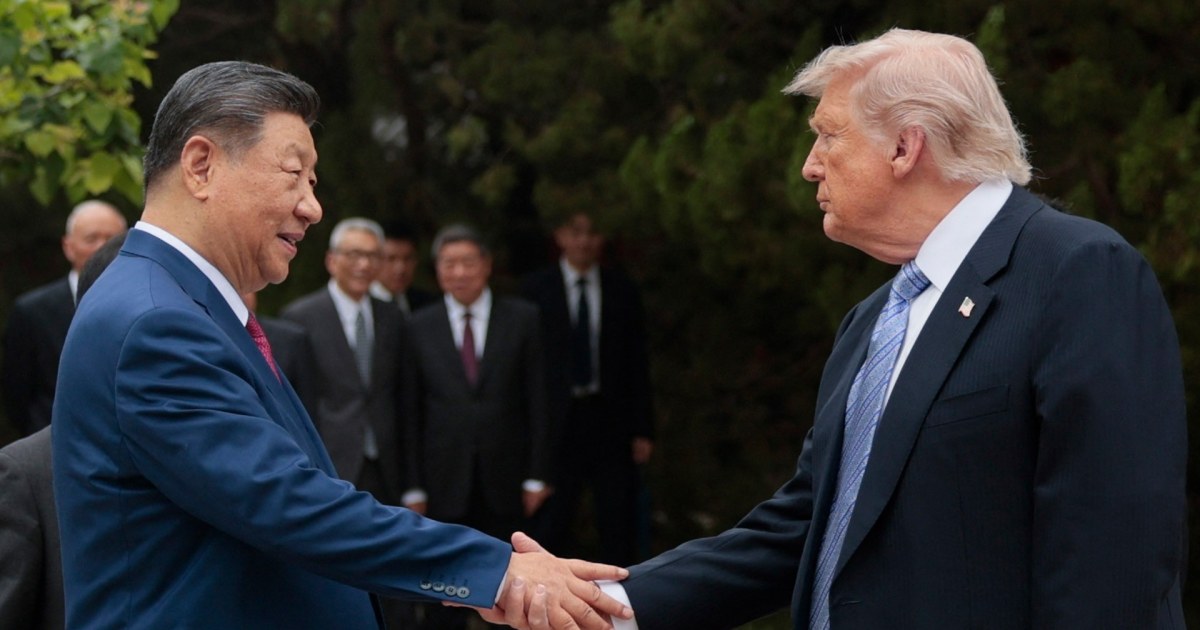
The scaling back of trade measures comes at a particularly sensitive time, as Trump is currently in Beijing for a high-stakes summit with Chinese President Xi Jinping. The timing underscores the complex balancing act the president faces between maintaining his tough rhetoric on China while avoiding economic consequences that could damage his domestic political standing. Administration officials have been working to frame the more moderate approach as strategic patience rather than a retreat from core principles.
Economic advisers within the Trump administration have reportedly warned that overly aggressive trade measures could exacerbate inflationary pressures that are already affecting American consumers due to the ongoing conflict with Iran. With inflation reaching 3.8% in April, the highest level in nearly three years, there are growing concerns that additional trade barriers could further drive up costs for everyday goods and services that American families depend on.
The president's evolving China strategy reflects the broader challenges of translating campaign promises into effective policy in an interconnected global economy. While Trump continues to maintain that his administration will pursue the toughest approach to China in American history, the practical implementation of that vision has required significant adjustments to account for economic and geopolitical realities that extend far beyond the bilateral relationship between Washington and Beijing.