Trump Administration Allocates $9 Billion for Spy Agencies to Combat AI Chip Shortage
CIA and NSA unable to deploy latest AI models on classified systems due to cutting-edge chip shortages, forcing massive federal investment.
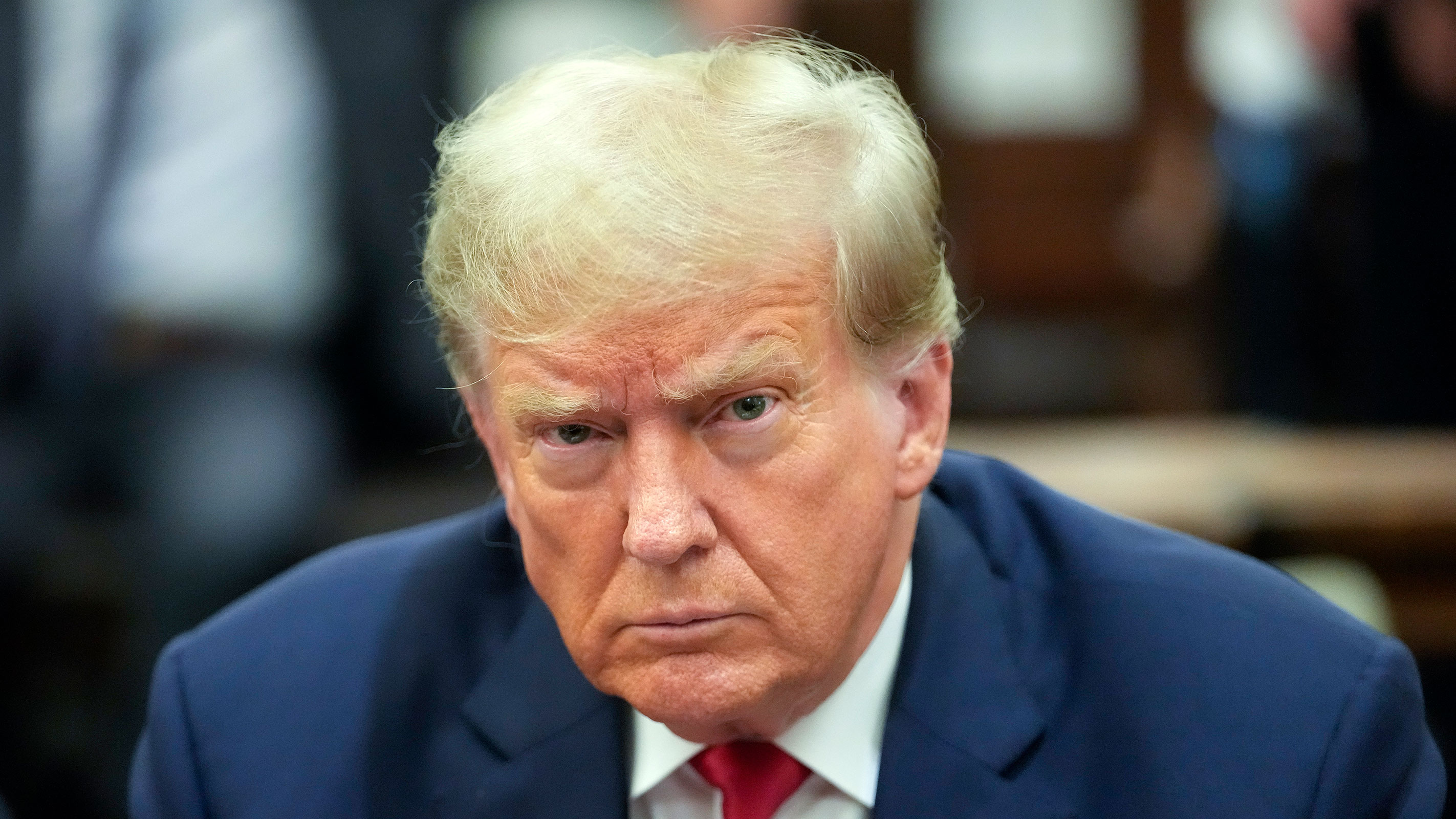
The White House has approved a massive $9 billion funding package to help America's premier intelligence agencies catch up in the artificial intelligence arms race, according to officials familiar with the matter. The unprecedented investment comes as the CIA and NSA struggle to deploy the latest AI models on their classified computer systems due to a critical shortage of cutting-edge semiconductor chips.
The funding crisis highlights a growing technological gap that has left America's spy agencies at a potential disadvantage in an era where AI capabilities are increasingly crucial for national security operations. Intelligence officials have expressed concerns that the chip shortage is preventing them from utilizing the most advanced machine learning systems that could enhance surveillance, data analysis, and threat detection capabilities.
The $9 billion allocation represents one of the largest single investments in intelligence technology infrastructure in recent years. The funds are expected to be used not only for acquiring advanced semiconductor chips but also for upgrading the underlying computer systems and networks needed to support next-generation AI applications within classified environments.
Industry experts note that the global semiconductor shortage has affected numerous sectors, but the impact on national security agencies has been particularly acute given their specialized requirements for secure, classified computing environments. Unlike commercial applications, intelligence agencies cannot simply purchase chips and systems from standard suppliers due to stringent security protocols.
The funding approval signals the Trump administration's recognition that maintaining technological superiority in artificial intelligence is critical for national security. Officials indicated that the investment is part of a broader strategy to ensure American intelligence capabilities remain competitive with those of potential adversaries, particularly as countries like China continue to make significant investments in AI and quantum computing technologies.