Treasury Report Says Nine Biggest Banks Denied Service Over Politics, Religion and Industry
The Office of the Comptroller of the Currency reviewed 100,000 complaints and found policies at the largest national banks that swayed decisions. The industry says it supports fair access.
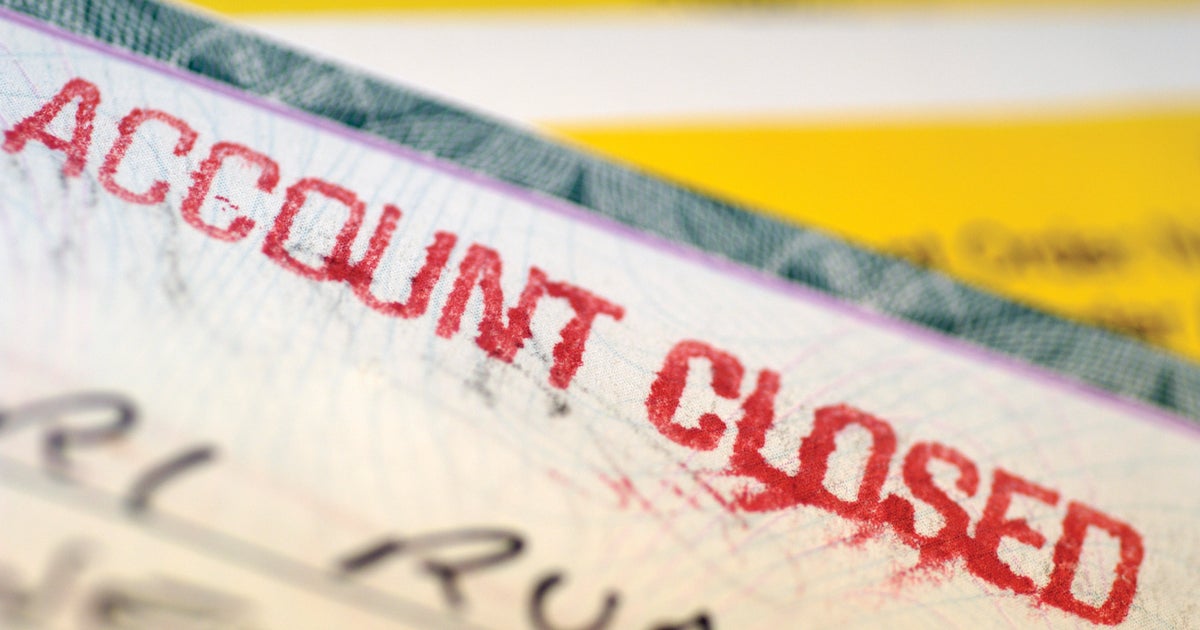
Top U.S. banks have "debanked" customers because of their political or religious views and their business activities, according to a report from the Office of the Comptroller of the Currency, a Treasury Department regulator. The report, released Wednesday, examines a practice President Trump has said discriminates against conservatives.
The OCC said it prepared the report under Mr. Trump's 2025 executive order directing federal banking regulators to review complaints and identify institutions that declined business with clients because of their views. It reviewed 100,000 complaints and hundreds of bank decisions from 2020 through September 2025. It concluded that the nine largest national banks it supervises had policies that swayed their decisions based on political, religious or business activities.
"Americans should have access to financial services regardless of their beliefs, affiliations or political views. Fair access to financial services is not a mantra — it is a mandate," Comptroller of the Currency Jonathan V. Gould said in a statement.
The report cites the payment processor WePay, now defunct, which JPMorgan Chase acquired in 2017. The OCC said WePay closed the accounts of several merchants selling MAGA- or Trump-related items. A JPMorgan spokesperson said the bank's policies prohibit discrimination based on political or religious views, and that WePay's processes "did not meet our expectations. We identified it, corrected it, and the business no longer operates."
The agency also found that some banks turned away customers because of their industries. Businesses involved in oil and gas exploration, coal mining or firearms were restricted from some financial services, it said. The OCC noted that some banks also refused to do business with Democratic-leaning organizations, though conservatives have been the most vocal complainants. Cryptocurrency investors have likewise said their accounts were closed because banks were uncomfortable working with the industry.
Debanking can also happen for legal and regulatory reasons, such as when a bank detects possible fraud or an account is overdrawn, which complicates efforts to tell political discrimination from routine risk management.
Citibank and Wells Fargo, also cited in the report, declined to comment and pointed to a statement from the Bank Policy Institute, a trade group. "The banking industry supports fair access to banking services and has been working to ensure that government regulations and policies enable banks to serve law-abiding customers," the group said. It added that it supports efforts to set "clear and consistent standards that promote access while maintaining sound risk management," including the administration's recent moves to prioritize supervisory attention on material financial risk rather than reputational risk.