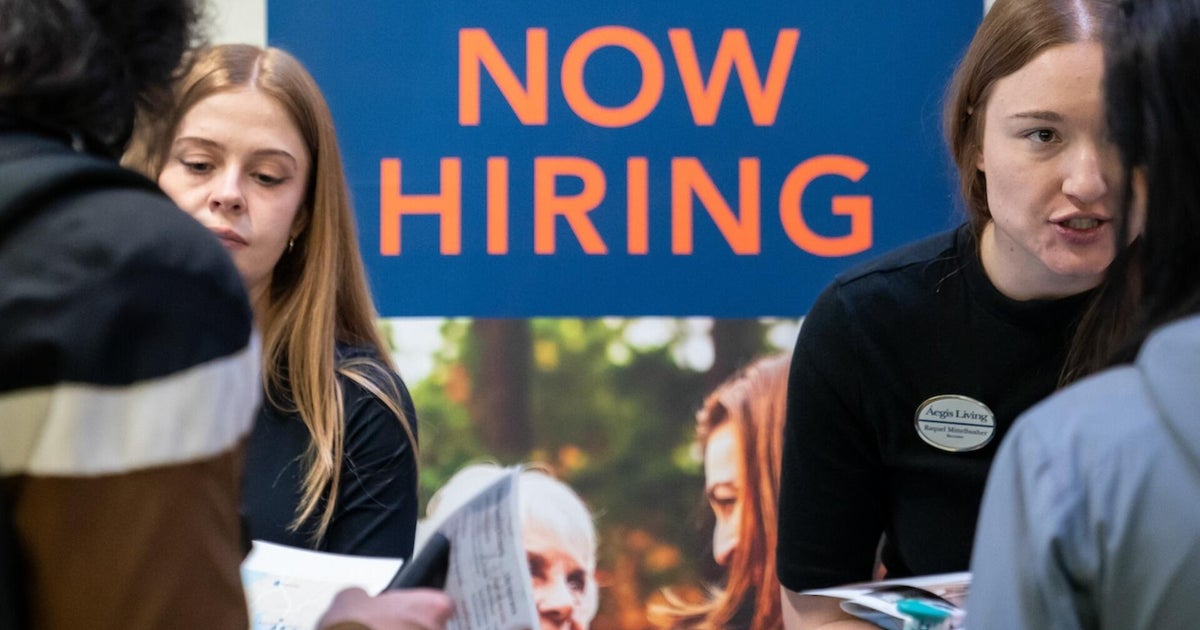
The U.S. Economy Lost 23,000 Jobs in July — and the Government Erased 103,000 More It Said Existed in May and June
Economists had penciled in 83,000 new jobs. Instead payrolls shrank for the first time in five months, wage growth fell to 0.1%, and the share of Americans in the workforce hit its lowest level since February 2021.
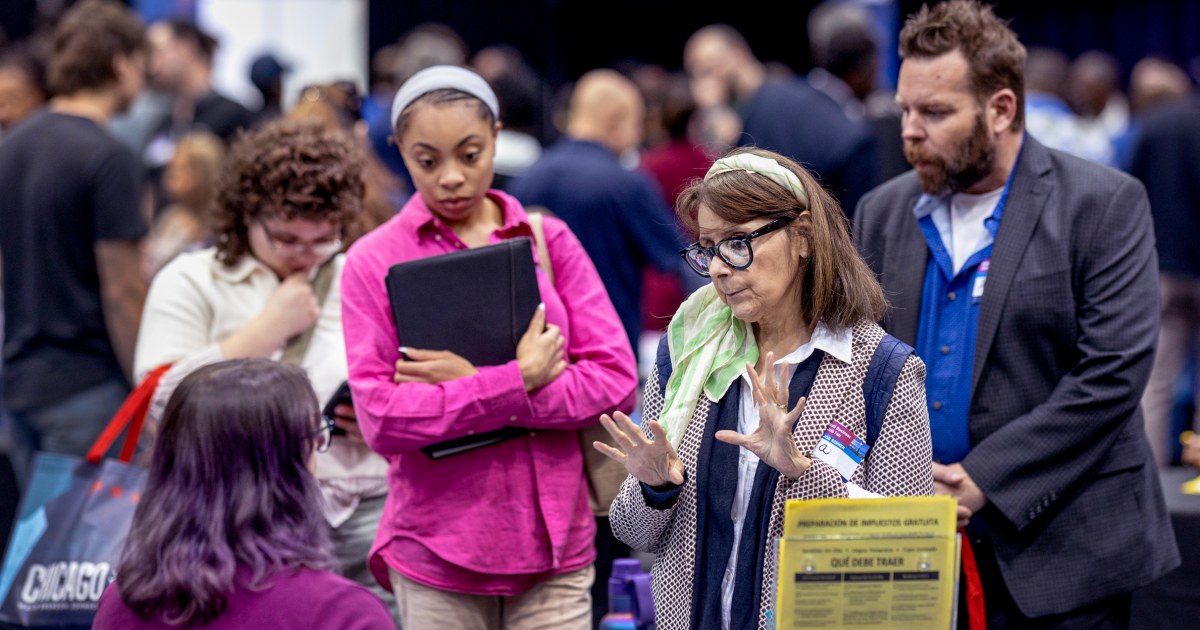
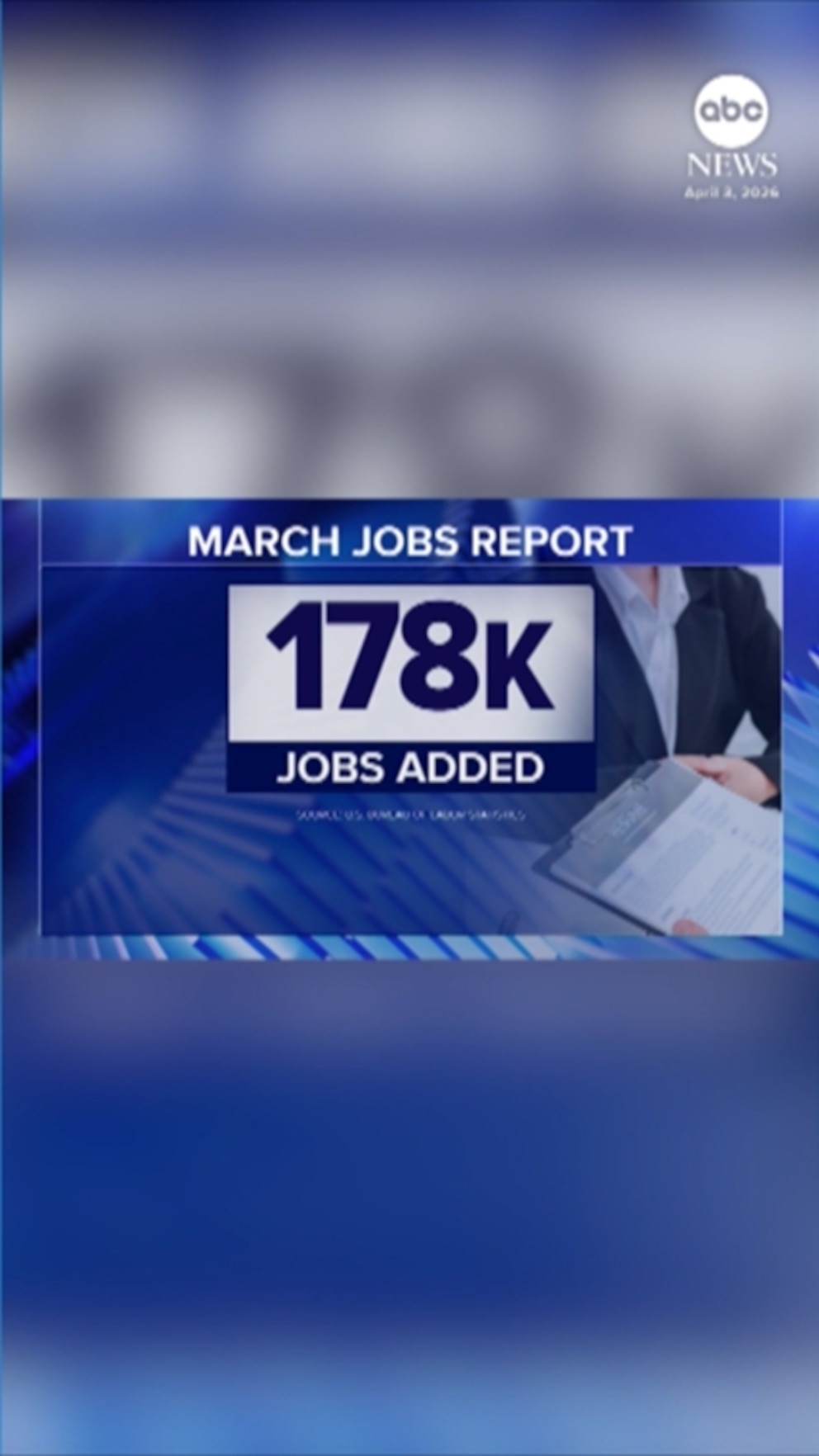
The American economy shed 23,000 jobs in July, the Bureau of Labor Statistics reported Friday morning, ending four straight months of hiring and landing more than 100,000 jobs below what forecasters had expected. Economists surveyed by Dow Jones had projected a gain of 83,000, which would have been an improvement on June's 57,000.
The headline number was not the worst part of the release. BLS also revised the previous two months downward by a combined 103,000 positions. May's total was cut by 66,000, to 129,000 jobs added. June was lowered by 37,000, to 57,000. Taken together, the revisions mean the labor market of the past quarter was substantially weaker than the government had been telling the public in real time.
"The labor market is stalling again," wrote Heather Long, chief economist at Navy Federal Credit Union, who called the report "bleak." In a post on X, Long flagged a second warning sign buried in the household survey: the labor force participation rate in July was the lowest since February 2021, meaning Americans are giving up on looking for work rather than being counted as unemployed. The unemployment rate itself ticked down only marginally, to 4.1%.
The damage was spread across the parts of the economy most sensitive to consumer demand. Local government education lost 50,000 roles, a figure that partly reflects the timing of teachers' summer break. Leisure and hospitality — hotels, bars and restaurants, the sector economists watch first when household spending turns — contracted by 40,000. Retail shed 19,000 jobs and the financial industry lost 14,000. Health care still grew, adding 22,000, but BLS noted that was "a slower pace than the average monthly gain over the prior 12 months." Construction added 22,000 and manufacturing 5,000, gains that owe much to the artificial-intelligence data center construction boom.
Pay is not making up the difference. Average hourly earnings rose just 0.1% from June and 3.2% from a year earlier, well short of the 3.5% economists had penciled in — and below the 3.5% inflation rate in the most recent reading. In practical terms, the average worker's paycheck bought less in July than it did in July 2025.
The backdrop is the war with Iran, which began Feb. 28 and has still produced no agreement to fully reopen the Strait of Hormuz. Regular gasoline averaged $4.04 a gallon on Friday morning, up 36% since the fighting started. Inflation remains well above the Federal Reserve's 2% target.
Markets read the weakness as relief. Stock futures jumped immediately after the release — S&P 500 futures up 0.5%, Nasdaq 100 futures up 1% — because a deteriorating labor market makes it harder for the Fed to raise interest rates to fight energy-driven inflation. The 10-year Treasury yield, which sets the direction for mortgage and credit card rates, fell sharply to 4.6%. Before the report, futures markets put the odds of a September rate hike above 50%. Within minutes, those odds had fallen to roughly 40%.