U.S. Adds 178,000 Jobs in March — Nearly Triple Forecasts — as Labor Market Defies Iran War Gloom
Friday's Bureau of Labor Statistics report blew past expectations of 60,000 jobs, with health care, construction, and transportation leading gains even as slowing wage growth and a falling participation rate temper the optimism.
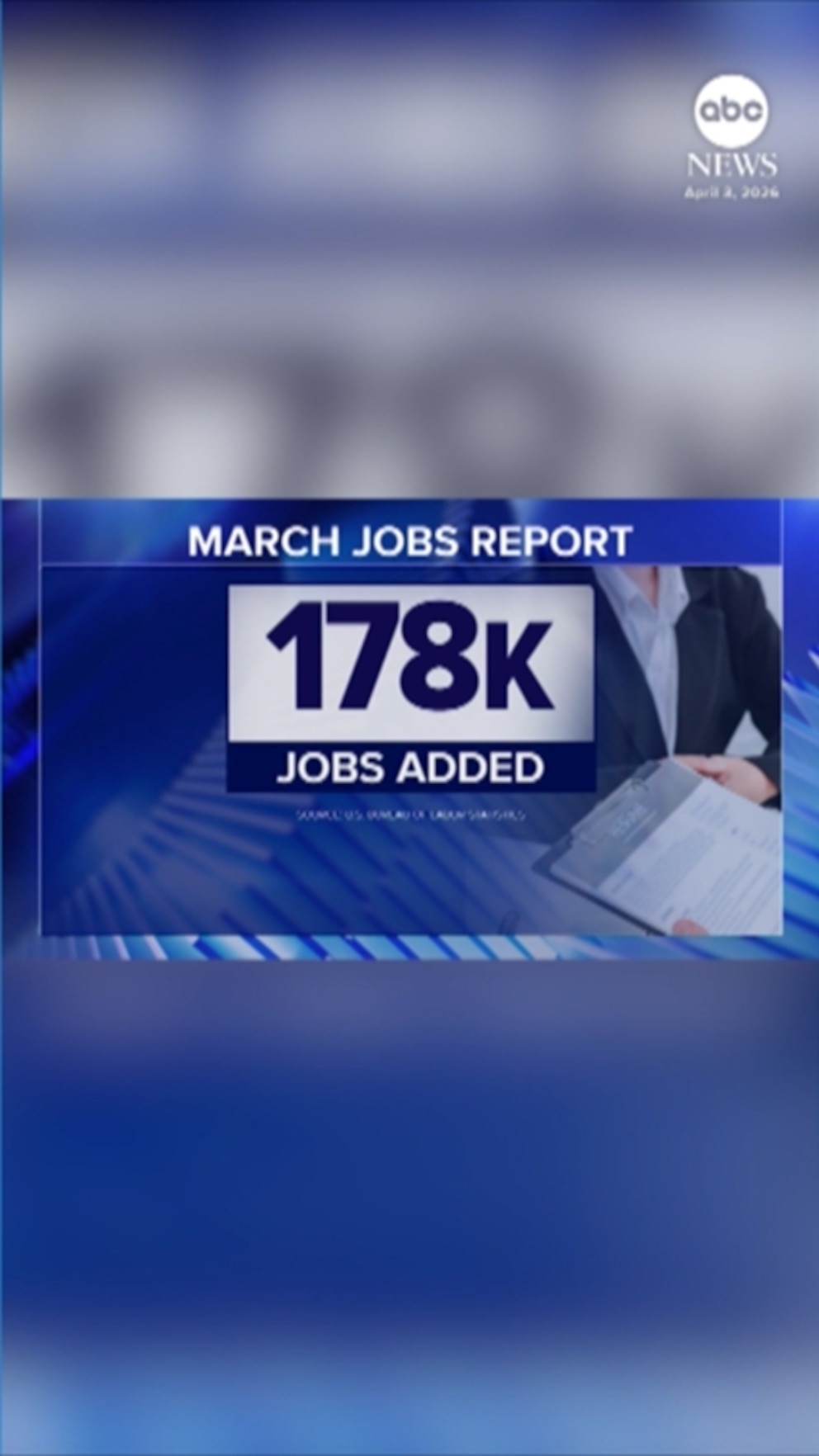
The United States economy added 178,000 jobs in March — nearly triple what Wall Street economists had forecast — delivering a surprisingly strong signal of labor market resilience just five weeks into the country's military conflict with Iran. The Bureau of Labor Statistics released the data on Friday morning, showing the unemployment rate ticked down to 4.3 percent from 4.4 percent in February, beating expectations on virtually every headline metric and sending Treasury yields sharply higher as traders reassessed the odds of Federal Reserve rate cuts in 2026.
Economists polled by the London Stock Exchange Group had predicted a gain of just 59,000 to 60,000 jobs for March. The final number of 178,000 marked the highest monthly payroll gain since December 2024 and snapped two consecutive months of disappointing numbers, including a revised February during which the economy shed jobs. Health care led all sectors, adding 76,000 positions — more than 40 percent of the total. Construction added 26,000, while transportation and warehousing contributed 21,000. Manufacturing, which many analysts expected to shed positions amid supply chain disruptions caused by the Strait of Hormuz blockade, instead gained 15,000 jobs. Leisure and hospitality added 44,000 positions, suggesting consumer spending on services has not yet cracked under the pressure of $112-per-barrel oil.
Beneath the headline, however, the picture was more nuanced. Average hourly earnings rose just 0.2 percent for the month and 3.5 percent year over year — the weakest annual wage growth since May 2021, below forecasts of 0.3 percent monthly and 3.7 percent annually. Analysts at the Center for American Progress noted that the strong headline masked an underlying slowing: the three-month average for job growth is running at just over 68,000 positions, far below the historical norm of 120,000 per month. The drop in the unemployment rate from 4.4 to 4.3 percent was partly attributable to a decline in labor force participation rather than a surge in hiring, suggesting the headline improvement is less robust than it first appears.
The report landed against a backdrop of severe economic uncertainty. The ongoing Iran war has sent oil prices above $112 per barrel, erasing billions in consumer purchasing power and injecting volatility into global supply chains. Many forecasters had predicted the war's energy shock would rapidly feed through to hiring freezes and layoffs, making the March numbers all the more unexpected. "The labor market appears to be operating on a lag," said Nick Bunker, research director at the Indeed Hiring Lab. "Companies haven't panic-hired away from the war yet, but they haven't panic-fired either." Bunker added that April's data, which will capture a full month of oil-shock effects, would be far more revealing.
Treasury yields rose sharply after the data release as traders scaled back their bets on Federal Reserve rate cuts. The CME FedWatch tool showed markets pricing in just one cut by the end of 2026, down from two before the report. White House National Economic Council Director Kevin Hassett appeared on Bloomberg Television to call the numbers evidence of "positive momentum behind the jobs report." The White House issued a statement attributing the results to "President Trump's economic leadership." Whether March's resilience holds into April — when the full brunt of the oil shock is expected to bite through higher fuel costs, reduced consumer confidence, and disrupted supply chains — remains the central question facing the American economy as the Iran conflict enters its second month with no resolution in sight.