SpaceX Opens Financial Books for First Time Ahead of Historic June Public Offering
The notoriously secretive company has submitted detailed financial filings as it prepares to become the first major space company to go public since the industry's founding.
SpaceX, the rocket and satellite company founded by Elon Musk, has submitted comprehensive financial filings to securities regulators for the first time in its 24-year history, marking a dramatic shift for the famously secretive aerospace giant as it prepares for a public stock offering scheduled for June. The detailed financial disclosure represents an unprecedented look into the inner workings of what has become the world's most valuable private space company.
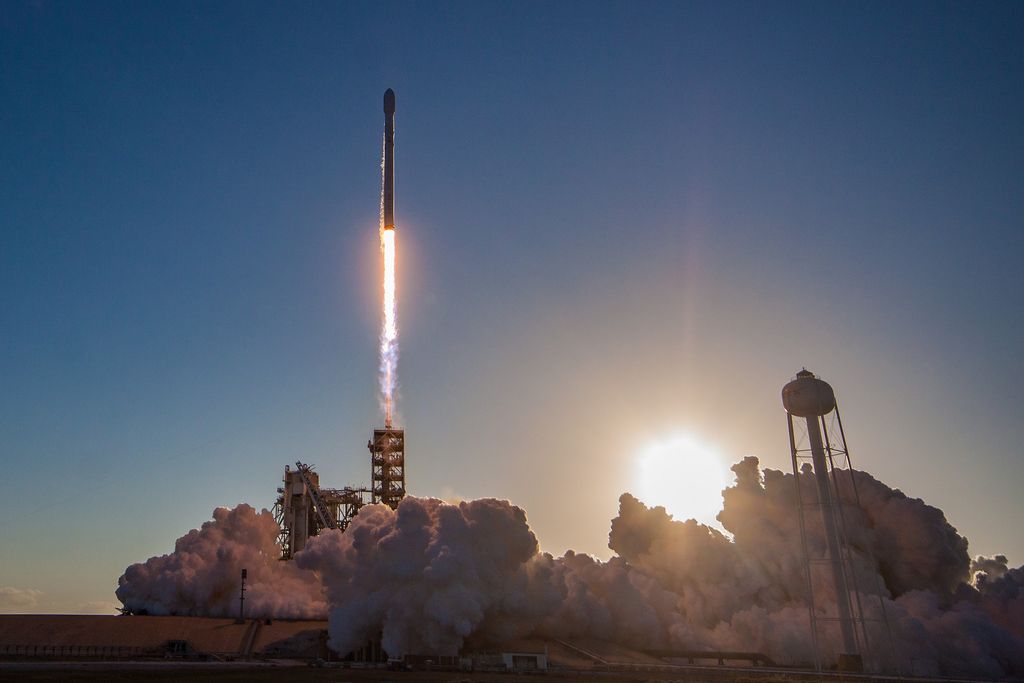
The company's decision to go public comes at a time when SpaceX has achieved remarkable success across multiple business segments, from launching NASA astronauts to the International Space Station to deploying thousands of Starlink internet satellites. Industry analysts have long speculated about SpaceX's financial performance, but the company has maintained strict confidentiality about its revenues, profits, and operational costs until now.
The financial filing reveals the company's complex revenue streams, which include government contracts with NASA and the Department of Defense, commercial satellite launches for private customers, and the rapidly growing Starlink internet service. The disclosure provides investors with their first official glimpse into how these different business lines contribute to the company's overall financial health and growth prospects.
Investment banking sources familiar with the offering suggest that SpaceX's valuation could reach unprecedented levels for a space company, potentially making it one of the largest initial public offerings in recent years. The timing of the public debut coincides with increased investor interest in space-related investments and growing confidence in the commercial space industry's long-term viability.
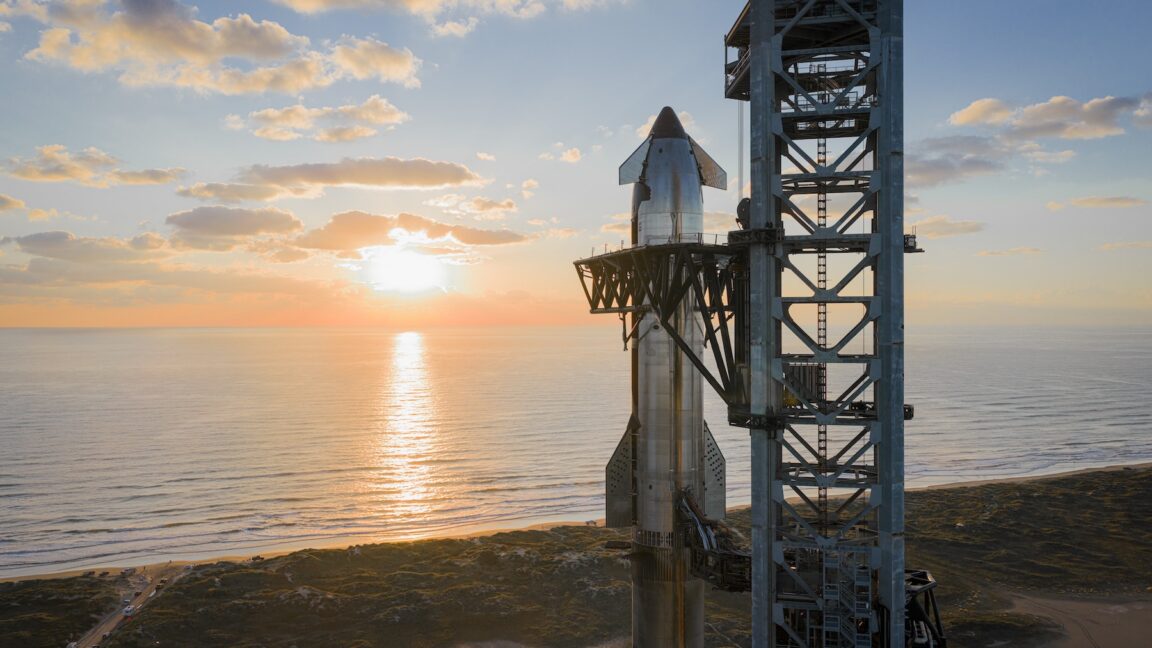
The move to go public represents a significant strategic shift for Musk, who has historically preferred to maintain private control over his companies to avoid the scrutiny and quarterly reporting requirements that come with public ownership. Industry experts suggest that the decision may be driven by SpaceX's ambitious plans for Mars exploration and the massive capital requirements associated with developing the Starship vehicle system. The public offering is expected to provide SpaceX with the financial resources needed to pursue these long-term objectives while giving early investors and employees an opportunity to realize returns on their investments in the pioneering space company.