SpaceX Aims to Make Stock Market Debut at $1.77 Trillion Valuation
Elon Musk's space company files to sell over 555 million shares at $135 apiece in what could become one of the largest IPOs in history.

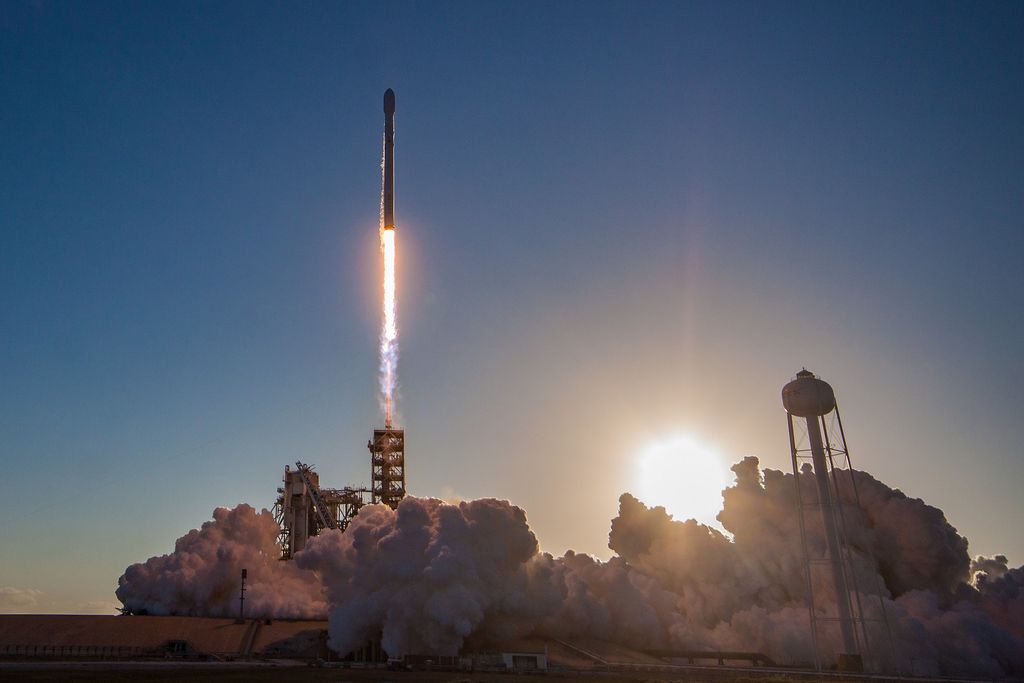
SpaceX announced its intention to go public with an unprecedented initial public offering that would value Elon Musk's space exploration company at $1.77 trillion, making it one of the most valuable companies ever to debut on the stock market. According to a securities filing released Tuesday, SpaceX plans to sell more than 555 million shares priced at $135 each, representing one of the largest IPOs in market history. The massive valuation reflects investor enthusiasm for the company's dominance in commercial spaceflight, satellite internet services, and NASA contracts.
The proposed IPO would mark a significant milestone for the private space industry and could provide SpaceX with substantial capital to fund its ambitious projects, including Mars colonization missions, expanded Starlink satellite constellation, and development of the massive Starship rocket system. The $1.77 trillion valuation surpasses the market capitalizations of most major corporations and reflects the company's rapid growth in multiple space-related business segments. SpaceX has established itself as the leading provider of commercial rocket launches and has secured numerous high-value contracts with NASA and other space agencies.
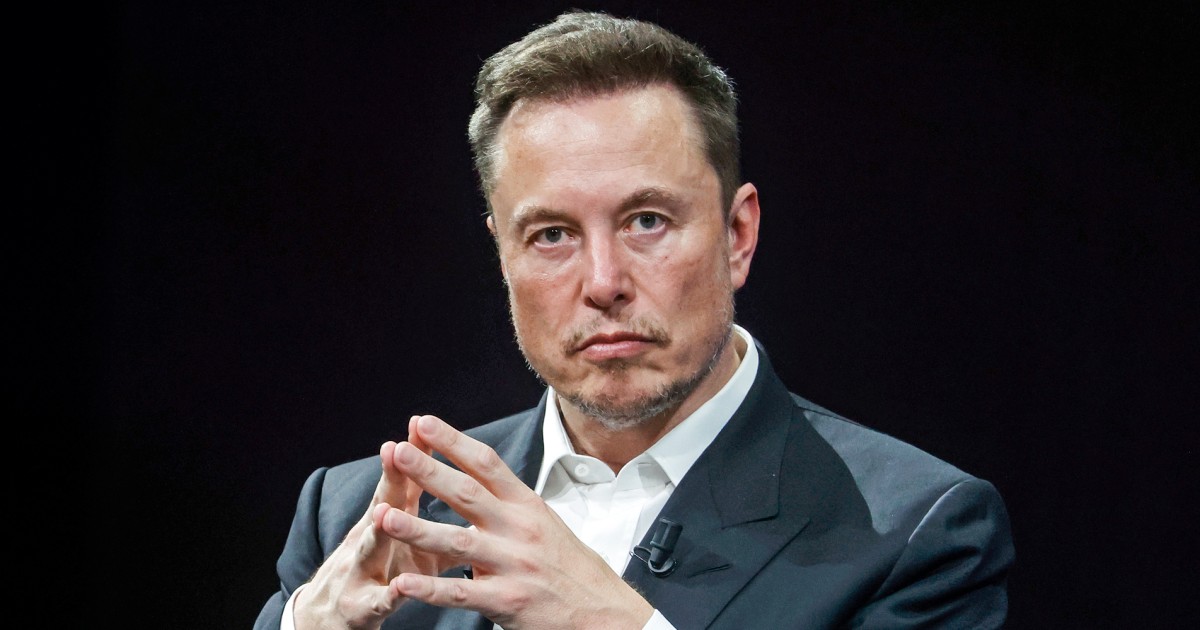
Elon Musk's decision to take SpaceX public comes after years of speculation about the company's eventual market debut. The timing suggests that Musk believes current market conditions and SpaceX's financial performance make it an optimal moment to access public capital markets. The proceeds from the IPO could accelerate SpaceX's development timeline for major projects while also providing liquidity for early investors and employees who have held equity in the private company for years.
The space industry has experienced tremendous growth in recent years, driven by increasing demand for satellite launches, government space missions, and emerging applications like space tourism and asteroid mining. SpaceX has captured a significant portion of this market through its reusable rocket technology, which has dramatically reduced launch costs compared to traditional aerospace companies. The company's Starlink satellite internet service has also generated substantial revenue while creating a new business model that combines space technology with telecommunications services.
Investor demand for SpaceX shares is expected to be exceptionally strong, given the company's track record of technological innovation and market leadership. The IPO could serve as a bellwether for other private space companies considering public offerings, potentially catalyzing broader investment in the space economy. However, the massive valuation also raises questions about whether SpaceX can meet the high growth expectations that such a premium implies, particularly as competition in the space industry continues to intensify with new entrants and increasing government investment in space capabilities.