OpenAI Co-Founder Claims He Feared Musk Would 'Physically Attack' Him
Greg Brockman testifies about tense confrontation with Elon Musk over equity disagreements during OpenAI's early formation.
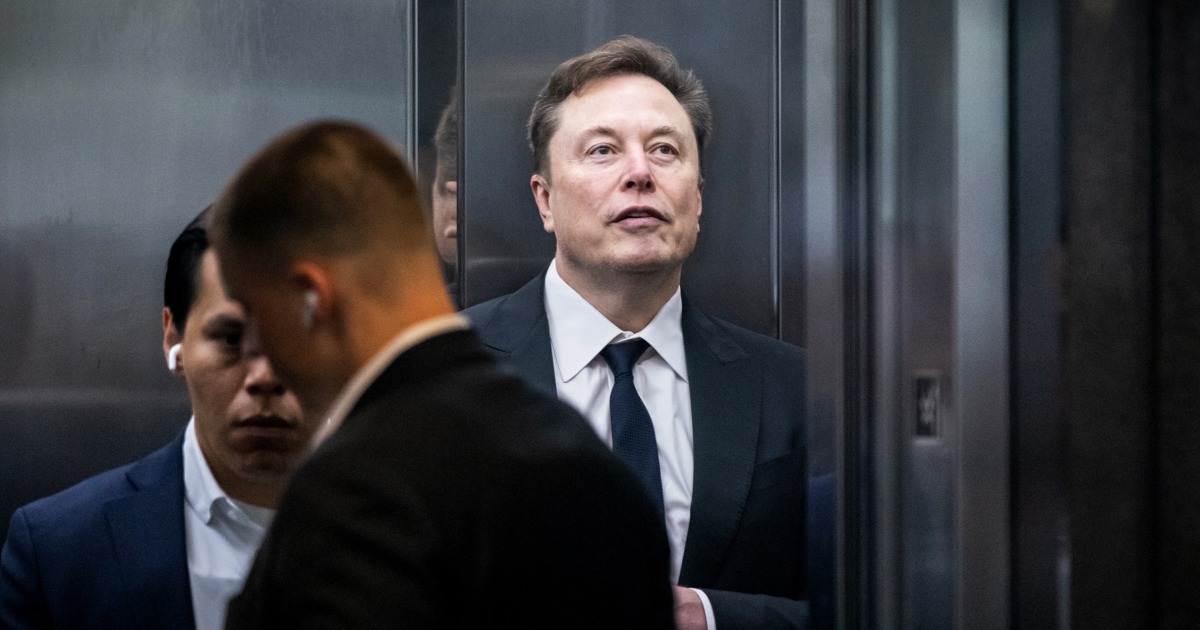
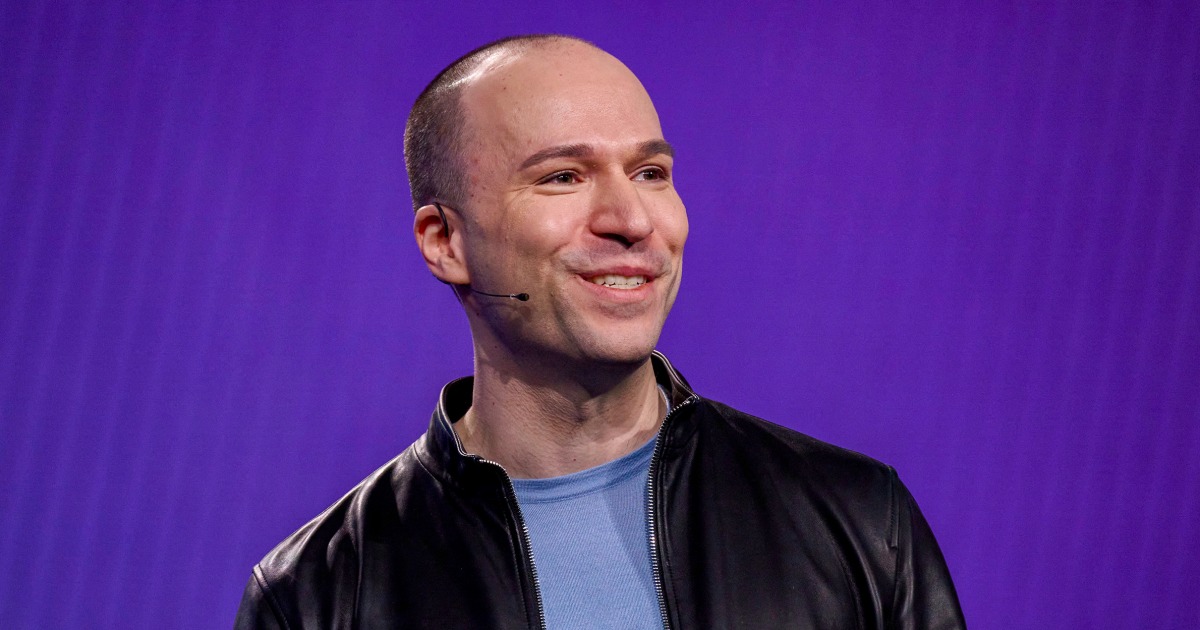
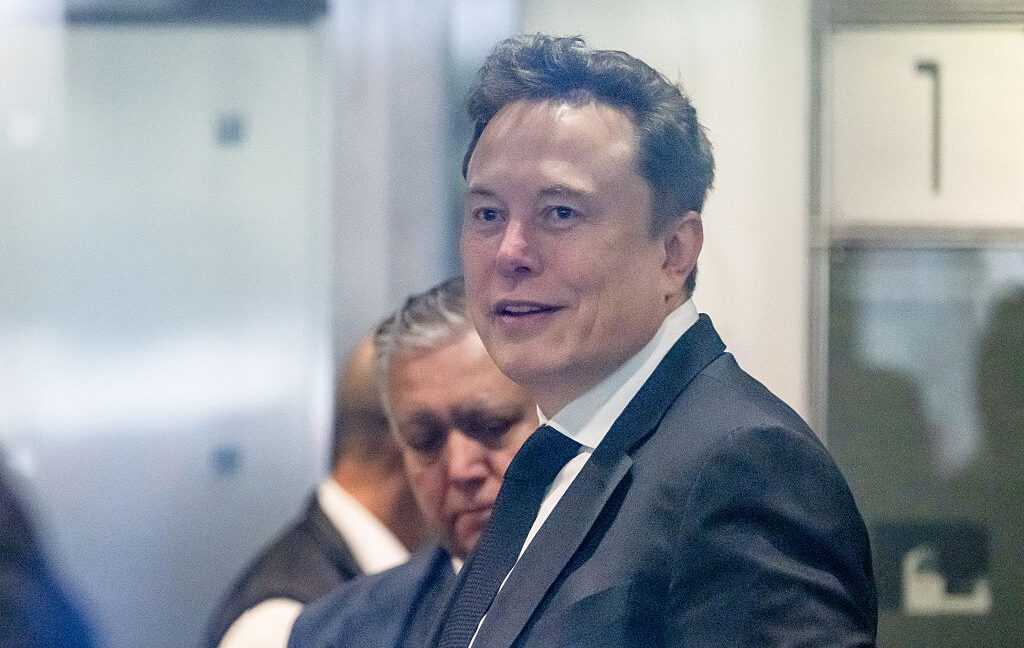
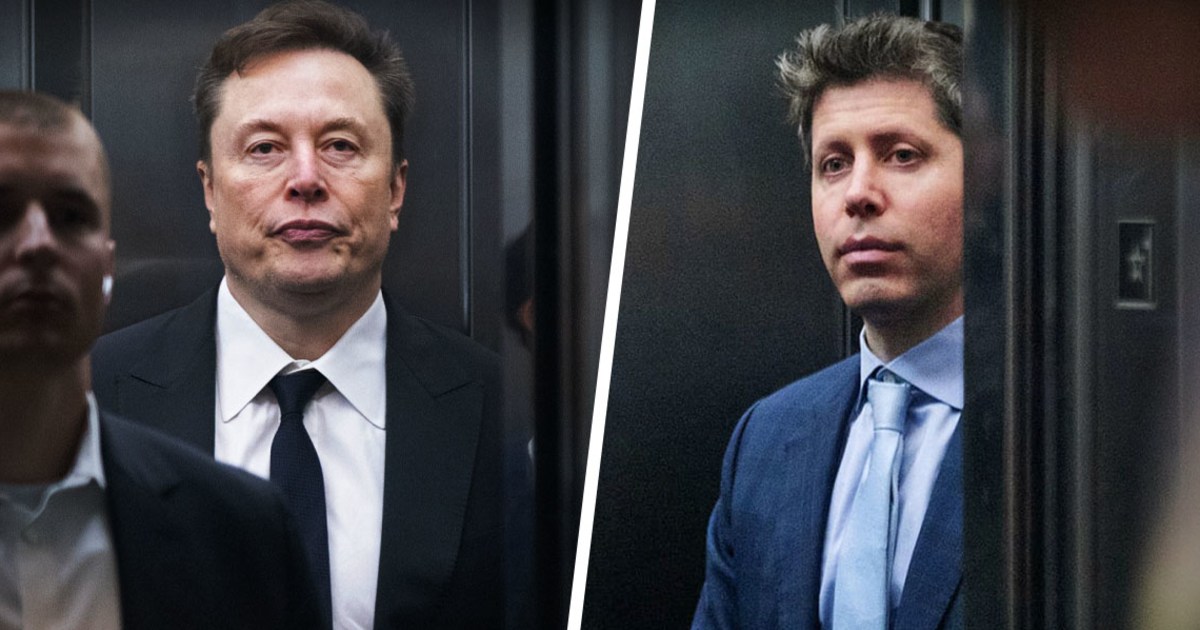
OpenAI co-founder Greg Brockman revealed in court testimony that he feared Elon Musk might "physically attack" him during a heated confrontation over potential equity shares in the artificial intelligence company, providing new insight into the dramatic tensions that surrounded OpenAI's early development. The testimony emerged during ongoing legal proceedings involving Musk and OpenAI, shedding light on the personal conflicts that shaped one of the world's most influential AI companies.
Brockman's allegations describe a particularly volatile moment in OpenAI's formation when disagreements over the company's structure and equity distribution created significant friction among the founding team. According to Brockman's account, the confrontation with Musk became sufficiently intense that he genuinely feared the situation might escalate to physical violence, highlighting the extraordinary personal stakes involved in the company's early strategic decisions.
The equity dispute at the center of the confrontation reflects deeper philosophical differences about how OpenAI should be structured and governed as it developed its groundbreaking artificial intelligence technologies. Musk, who was among OpenAI's original backers and co-founders, apparently had strong opinions about ownership arrangements that conflicted with the vision held by other founding members, including Brockman.
Brockman's testimony provides a rare glimpse into the personal dynamics that shaped OpenAI's evolution from a research-focused nonprofit into the commercial powerhouse behind ChatGPT and other influential AI systems. The revelation of such intense personal conflict among the founders adds context to Musk's eventual departure from OpenAI's board and his subsequent criticism of the company's direction and business model.
These revelations come as OpenAI faces increased scrutiny over its corporate governance, partnerships with major technology companies, and approach to AI safety and development. The testimony about early internal conflicts may influence ongoing debates about the company's transparency and the decision-making processes that have guided its transformation into one of the most valuable AI companies in the world.