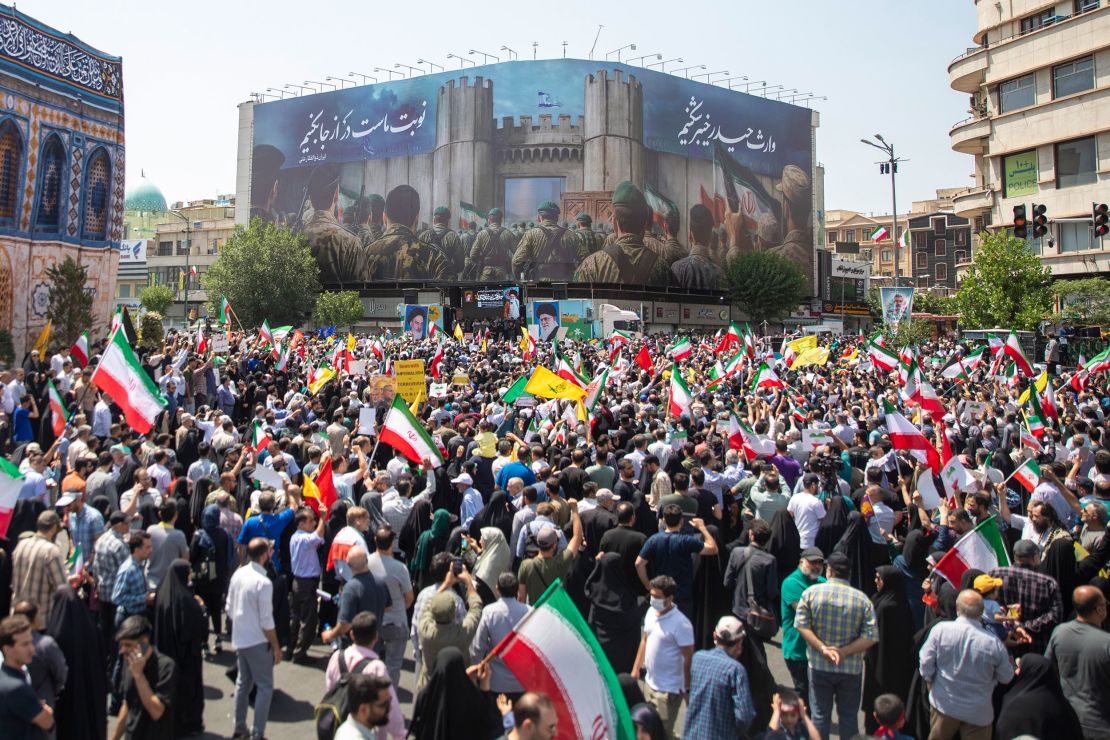
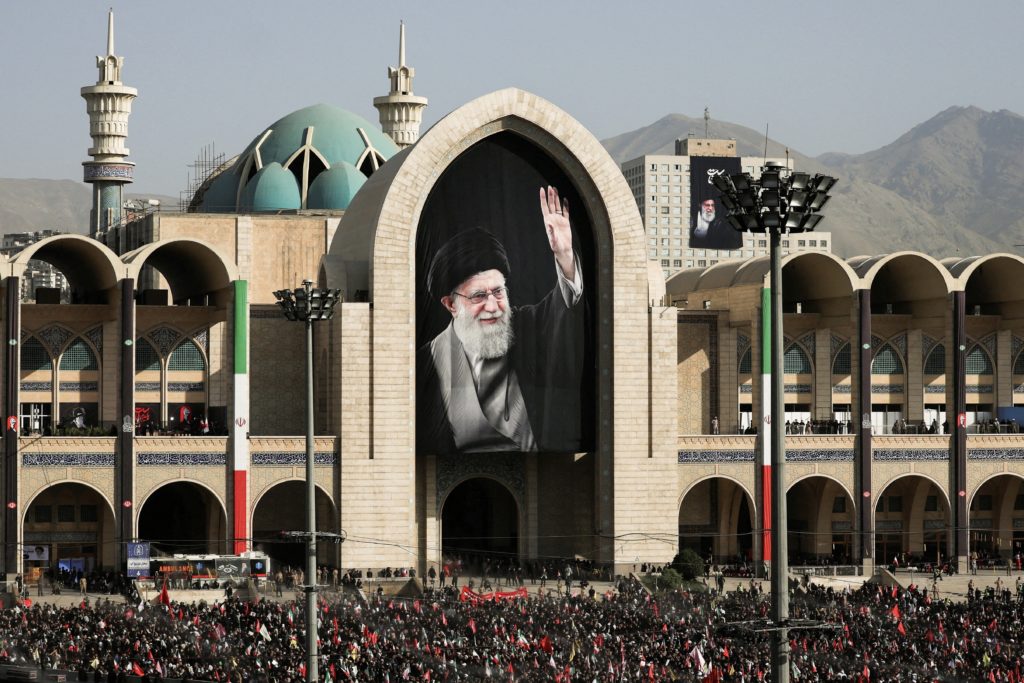
Muslims Mark Subdued Eid Celebrations Across War-Torn Middle East
From Iran to Gaza, Eid al-Adha festivities were muted as ongoing conflicts and shortages of food and fuel affected traditional celebrations throughout the region.

Muslims across the Middle East observed Eid al-Adha under the shadow of ongoing warfare and regional instability, with traditional celebrations significantly dampened by conflict and economic hardship. From Iran to Gaza, the holiday that typically brings families together for feasting and celebration was marked instead by subdued gatherings and widespread concerns about security and basic necessities.
The impact of regional conflicts was particularly evident in Gaza, where residents struggled to observe traditional Eid customs amid continued military operations and severe shortages of essential supplies. Families who would normally prepare elaborate meals found themselves unable to access traditional foods, while the destruction of infrastructure made it difficult for extended families to gather safely. The stark contrast between typical Eid celebrations and the current reality highlighted the toll that prolonged conflict has taken on civilian life.
In Iran, economic sanctions and political tensions have created additional challenges for Eid observances, with many families facing financial constraints that limit their ability to participate in traditional gift-giving and charitable activities. The combination of international isolation and domestic economic pressures has reduced the resources available for the holiday celebrations that typically serve as important social and religious gatherings.
Throughout Lebanon and other regional countries, the spillover effects of conflicts have created an atmosphere of uncertainty that has affected holiday planning and celebrations. Many families have been forced to modify their Eid traditions, choosing smaller gatherings or foregoing travel to visit relatives in other areas due to security concerns. The regional instability has also disrupted supply chains, making it more difficult and expensive to obtain traditional holiday foods and gifts.
The subdued nature of this year's Eid al-Adha celebrations reflects broader challenges facing Muslim communities throughout the Middle East, where political instability, economic hardship, and ongoing conflicts have fundamentally altered daily life. Religious leaders across the region acknowledged the difficulties while encouraging communities to find meaning in scaled-back observances and to maintain hope for more peaceful celebrations in future years. The holiday's emphasis on sacrifice and devotion took on additional resonance as families navigated unprecedented challenges while attempting to preserve important cultural and religious traditions.