JetBlue Accused of Using Private Customer Data to Set Ticket Prices Without Consent
Airline allegedly collected internet browsing history and personal information to implement discriminatory pricing strategies, lawsuit claims.
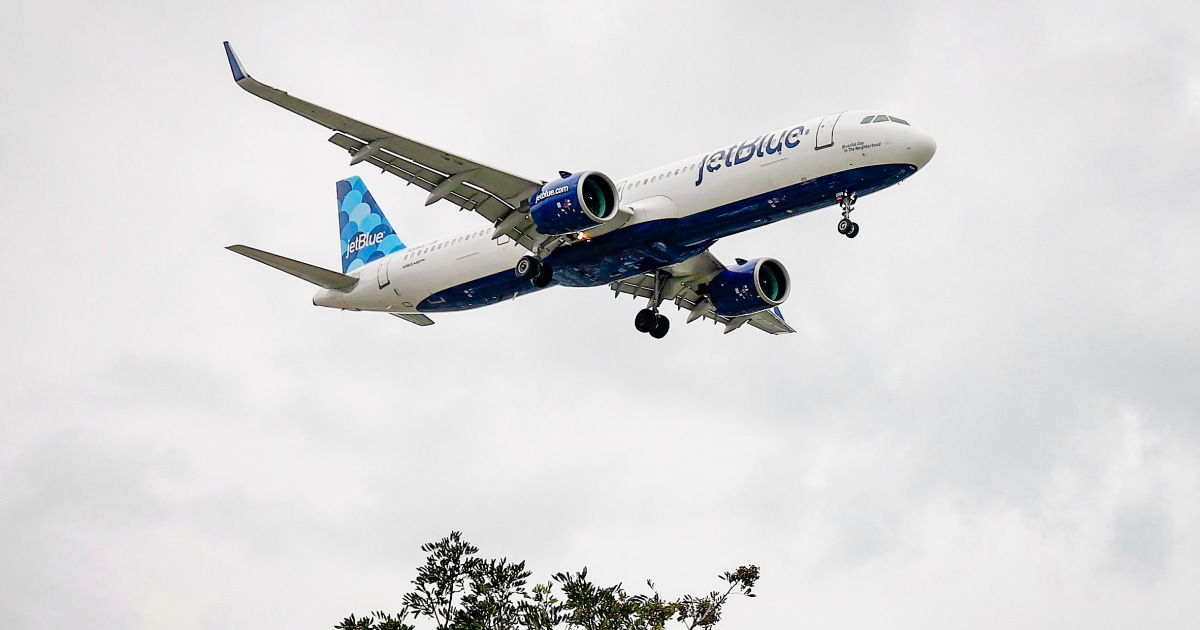
JetBlue Airways has been accused in a federal lawsuit of collecting customers' personal data without their consent and using it to set ticket prices, raising serious questions about airline pricing practices and consumer privacy rights. The lawsuit alleges that the airline gathered extensive private information including customers' internet browsing history, location data, and other personal details to implement sophisticated pricing algorithms that could discriminate based on individual customer profiles. The legal action highlights growing concerns about how airlines use customer data to maximize revenue through dynamic pricing strategies.
The plaintiffs claim that JetBlue's data collection practices violated federal privacy laws and consumer protection statutes by gathering sensitive information without proper disclosure or consent. According to the lawsuit, the airline used this data to create detailed customer profiles that allowed it to charge different prices to different customers for identical flights based on their perceived ability or willingness to pay. This type of personalized pricing has become increasingly common across various industries but has raised significant concerns about fairness and privacy.
The case centers on allegations that JetBlue employed sophisticated tracking technologies to monitor customers' online behavior, including their browsing patterns on the airline's website and potentially other sites. The lawsuit claims this information was then fed into pricing algorithms designed to optimize revenue by tailoring ticket prices to individual customers. Such practices, while legal in many contexts, become problematic when conducted without proper customer consent or disclosure.
JetBlue has not yet provided a detailed public response to the specific allegations in the lawsuit, though airlines generally defend their pricing practices as standard industry procedures designed to offer competitive fares. The airline industry has increasingly relied on complex algorithms and data analytics to optimize pricing in real-time, arguing that such systems help them offer lower fares to price-sensitive customers while capturing more revenue from travelers willing to pay premium prices.
The lawsuit could have broader implications for the airline industry's data collection and pricing practices, potentially forcing greater transparency in how carriers use customer information. Consumer advocacy groups have long raised concerns about the lack of clarity in airline pricing algorithms and the extent to which personal data influences ticket costs. If successful, the case could establish new precedents for how airlines must disclose and obtain consent for their data collection practices, particularly when that information is used to determine pricing for individual customers.