For the Third Time, a Federal Judge Told Trump His Hush-Money Case Is Not a Presidential Act
Judge Alvin Hellerstein refused again to move the 34-count New York conviction into federal court, writing that a cover-up of an embarrassment is not covered by presidential immunity.
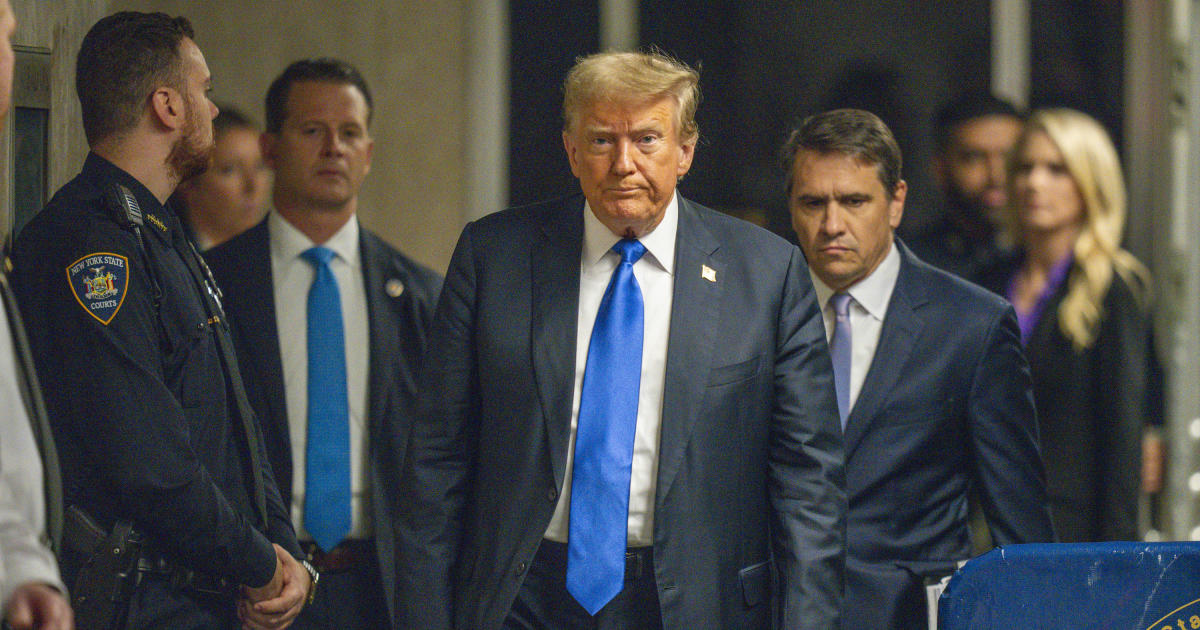
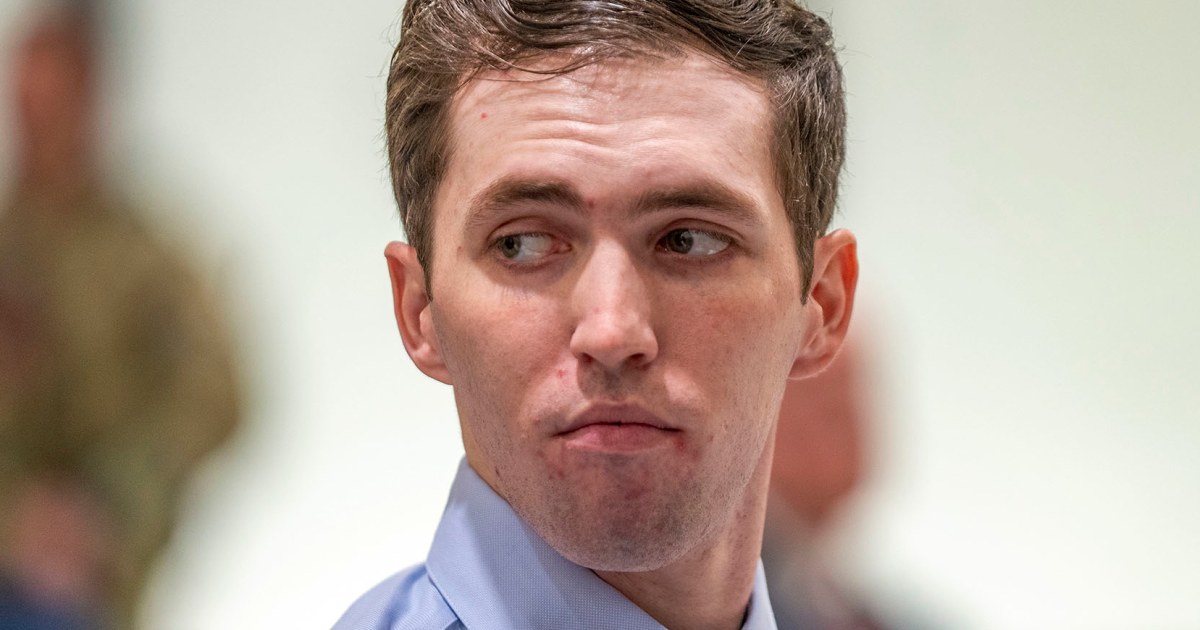
A federal judge in Manhattan on Friday rejected President Trump's latest attempt to pull his New York hush-money conviction into federal court and erase it on presidential immunity grounds — the third time the same judge has turned down the same request.
U.S. District Judge Alvin K. Hellerstein wrote that the reasons Trump offered for renewing the bid were "neither new nor legally sufficient." Going to the substance, Hellerstein drew a line around what the office of the presidency actually covers: "paying hush money to an adult film star or engaging in a cover-up of an embarrassment are not subsumed in presidential immunity."
The conviction dates to May 2024, when a Manhattan jury found Trump guilty on 34 felony counts of falsifying business records tied to a $130,000 payment routed to the adult film actor Stormy Daniels before the 2016 election. He was sentenced to an unconditional discharge — a conviction on the record with no jail time, no fine and no probation — and remains the only U.S. president, sitting or former, convicted of a crime.
The legal maneuver at issue is called removal: a defendant who says a state prosecution targets conduct performed as a federal officer can ask to have the case transferred to federal court, where immunity defenses are easier to press. Hellerstein has now denied that three times. In Friday's ruling he faulted the timing as much as the theory, noting that Trump's team chose to litigate in state court first and only later reached for the federal escape hatch — a "strategic decision," the judge wrote, that weakened the argument for letting him change forums now.
Trump's lawyers said they would appeal, calling the ruling "baseless and lawless." That sends the question to the U.S. Court of Appeals for the 2nd Circuit, which has already once declined to disturb Hellerstein's reasoning. Separately, the conviction is working its way through New York's own appellate system, where Trump is challenging the verdict on state-law grounds and on the Supreme Court's 2024 decision in Trump v. United States, which barred prosecutors from using evidence of official presidential acts.
The practical stakes are narrow and symbolic at once. With an unconditional discharge there is no sentence left to serve, so nothing about the case constrains Trump day to day. What is still live is the record itself — whether the 34 felony counts stand for the remainder of his second term and beyond, and whether any court agrees that a payment made before he took office, recorded in the books of a private company, can be recast as an act of the presidency.