Flesh-Eating Screwworm Parasite Returns to U.S. After 60-Year Absence
Parasite detected in Texas calf threatens cattle industry and food supply as officials scramble to prevent widespread outbreak.
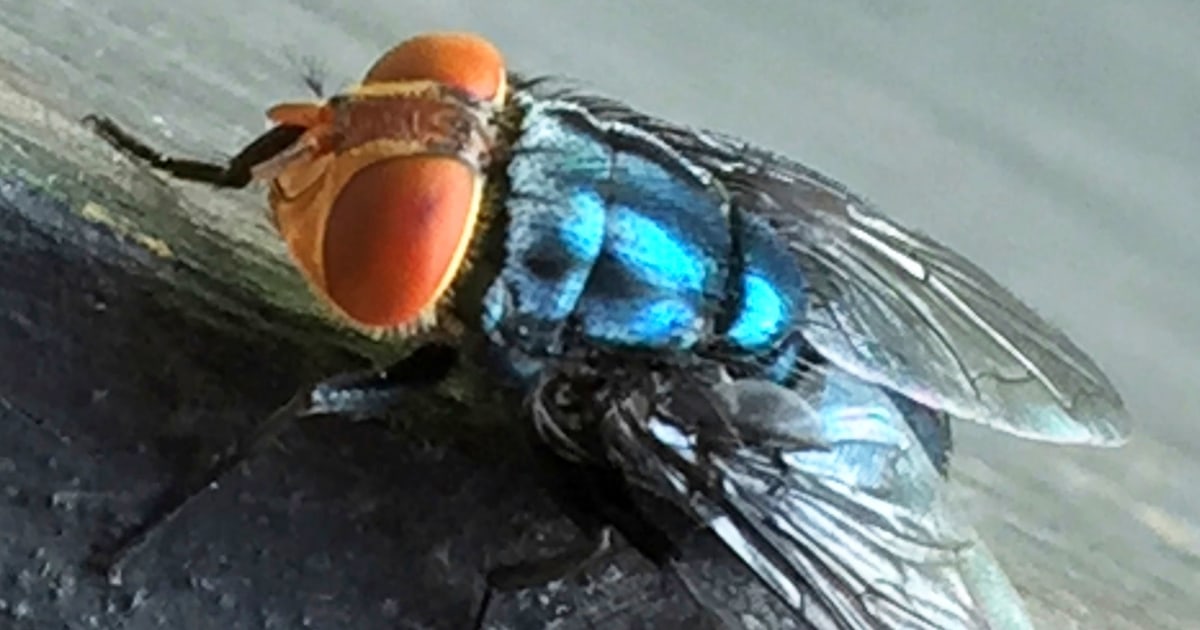
A flesh-eating parasite that had been successfully eliminated from U.S. livestock for six decades has been detected in a Texas calf, raising alarm among agricultural officials about potential threats to the nation's cattle industry and food supply. The discovery of the New World screwworm marks the first confirmed case in the United States since the 1960s, when an intensive eradication program successfully eliminated the parasite from domestic livestock.
The screwworm fly's larvae feed on the living flesh of warm-blooded animals, creating wounds that can prove fatal if left untreated. The parasite was once a devastating problem for American ranchers, causing millions of dollars in livestock losses annually before its eradication through a pioneering biological control program. The detection in Texas has prompted immediate response efforts from the U.S. Department of Agriculture and state veterinary officials.
USDA officials confirmed that the infected calf was discovered during routine livestock monitoring, though they have not disclosed the specific location within Texas to prevent panic among ranchers. The department immediately implemented containment protocols designed to prevent the parasite from establishing breeding populations in the area. Emergency response teams have been deployed to conduct surveillance in surrounding areas and examine other livestock for signs of infestation.
The timing of the outbreak is particularly concerning given that cattle and food prices are already elevated due to various economic pressures. A widespread screwworm infestation could force ranchers to destroy infected animals and implement costly treatment and prevention measures. The parasite's return also threatens export markets, as international buyers may restrict imports from areas with known infestations.
Veterinary experts believe the screwworm likely entered the United States from Central America, where the parasite remains endemic despite ongoing control efforts. The discovery underscores the ongoing challenges of maintaining biosecurity along the nation's borders and the importance of continuous surveillance programs. USDA officials are working closely with Mexican authorities to coordinate response efforts and prevent further spread of the parasite across the region.