Financially Insecure Retirees Return to Work as Living Costs Remain High
Growing numbers of older Americans are being 'fired from retirement' due to economic pressures, forcing them back into the workforce despite their age.

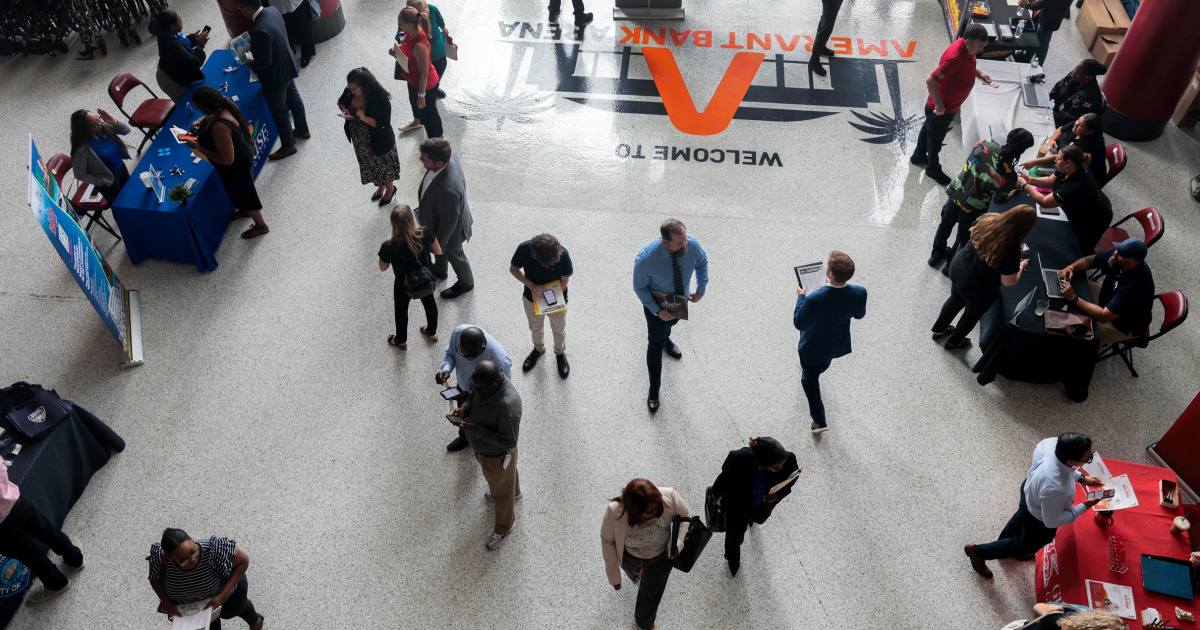
A growing wave of older Americans are returning to work after retirement, driven primarily by financial necessity as high living costs strain their savings and fixed incomes. The phenomenon, which some are calling being 'fired from retirement,' reflects broader economic pressures that are forcing people who thought their working days were behind them to re-enter the job market. While people return to work for various reasons, financial need has emerged as the dominant factor pushing retirees back into employment.
The trend comes at a time when many retirees are facing a perfect storm of economic challenges. Rising healthcare costs, housing expenses, and everyday living expenses have outpaced many retirees' income streams, including Social Security benefits and pension payments. For those who relied heavily on savings or retirement accounts, market volatility and inflation have eroded purchasing power, making it difficult to maintain their standard of living without additional income.
Experts warn that this trend could accelerate as economic conditions remain uncertain and costs continue to rise across multiple sectors. Many retirees are finding that their carefully planned retirement budgets are insufficient to cover current expenses, forcing difficult decisions about whether to reduce their quality of life or return to work. The situation is particularly challenging for those who may have health issues or outdated skills that make finding suitable employment more difficult.
The labor market implications of this trend are significant, as older workers bring experience and reliability but may also face age discrimination or struggle with technology and workplace changes that occurred during their retirement. Employers are increasingly recognizing the value of experienced workers, but the integration process can be challenging for both sides. Some companies have begun developing programs specifically designed to attract and accommodate older workers returning to the workforce.
As economic pressures persist, analysts predict that more retirees could be looking to re-enter the job market in the coming months and years. This shift represents a fundamental change in traditional retirement patterns and highlights the need for better financial planning and potentially policy adjustments to address the growing economic challenges facing older Americans. The trend underscores broader questions about retirement security and the adequacy of current systems to support Americans in their later years.