Candace Owens and Tate Brothers' Russia Visit Sparks Kremlin Propaganda Campaign
The controversial figures' appearance in Moscow comes amid Russian battlefield setbacks and declining public sentiment, providing propaganda opportunity for the Kremlin.
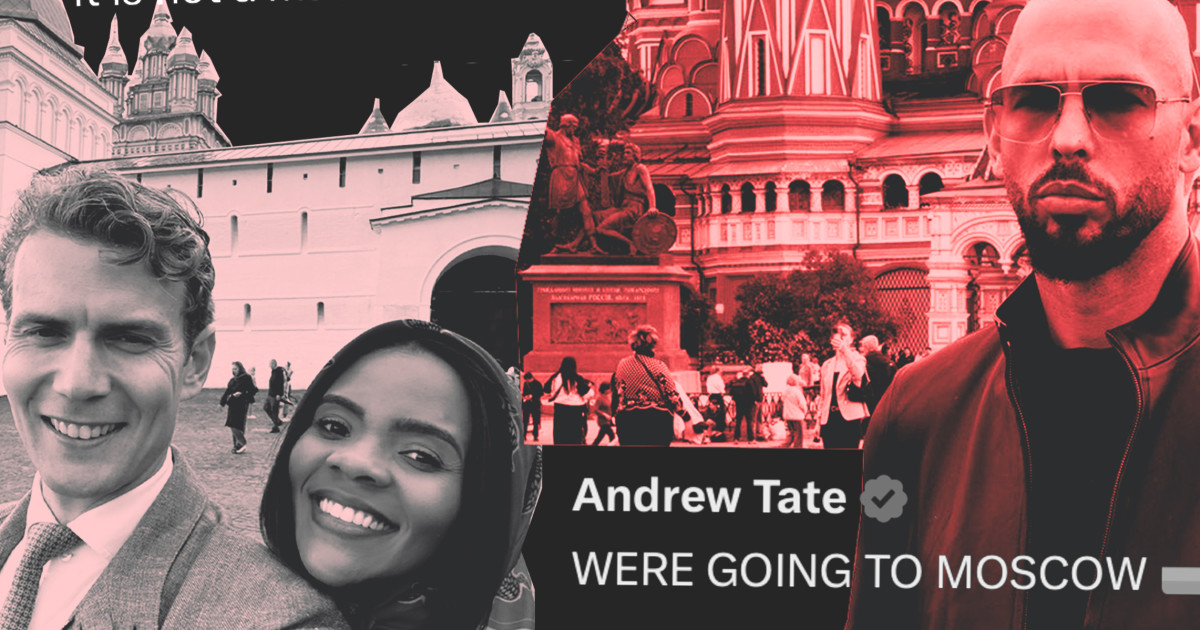
The arrival of conservative commentator Candace Owens and the controversial Tate brothers in Russia has provided the Kremlin with a significant propaganda opportunity, as Moscow seeks to demonstrate international support amid mounting battlefield setbacks in its ongoing conflict and declining domestic public sentiment. The visit, which Russian state media has framed as evidence of improving relations with Western influencers, comes at a crucial time for the Putin administration as it struggles with various diplomatic and military challenges.
The timing of the visit appears strategically significant for Russian propaganda efforts, as the Kremlin has been actively seeking to showcase any signs of Western support or sympathy for its positions. Russian state media outlets have given extensive coverage to the presence of these high-profile Western figures, portraying their visit as evidence that influential voices in the West are beginning to question their governments' policies toward Russia and showing solidarity with Moscow's perspective.
The visit occurs against a backdrop of increasingly difficult circumstances for Russia, with military analysts noting significant battlefield setbacks that have complicated the Kremlin's strategic objectives. Additionally, polling data suggests that domestic public sentiment regarding the conflict has been declining, creating pressure on the Putin administration to demonstrate both international support and domestic unity through high-profile events and appearances.
Candace Owens, known for her conservative political commentary and criticism of mainstream Western policies, and the Tate brothers, who have faced various legal challenges in European countries, represent figures who have been critical of Western establishment positions. Their presence in Russia allows the Kremlin to argue that prominent Western voices are beginning to recognize the legitimacy of Russian viewpoints and policies.
The propaganda value of the visit extends beyond simple optics, as Russian media has used the occasion to amplify narratives about Western hypocrisy and the growing disillusionment of influential figures with their home governments' policies. This messaging strategy represents part of a broader Russian effort to exploit political divisions within Western societies and present itself as an alternative to what it characterizes as failing Western leadership. The visit demonstrates how international figures can become unwitting or willing participants in state propaganda efforts during periods of geopolitical tension.