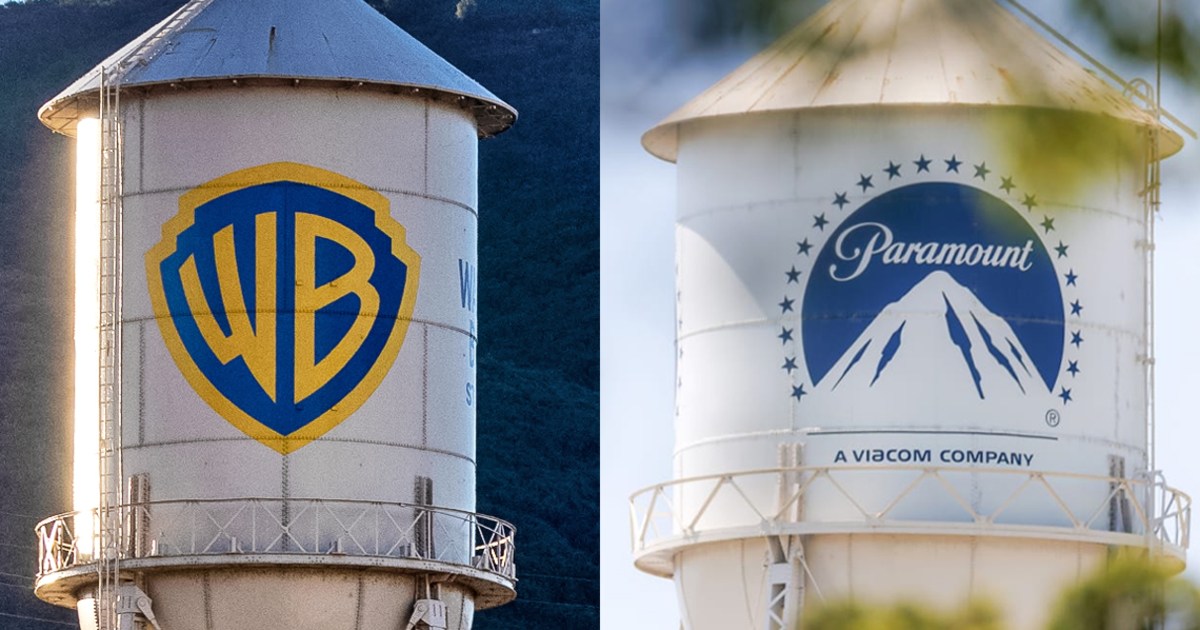
Warner Bros. Discovery Books $2.9 Billion Net Loss Tied to Paramount Deal
The media giant reports massive losses linked to restructuring costs and a Netflix termination fee that Paramount agreed to pay but remains on WBD's books until the deal closes.

Warner Bros. Discovery reported a staggering $2.9 billion net loss for the latest quarter, primarily attributed to costs associated with its pending acquisition of Paramount and ongoing corporate restructuring efforts. The massive loss reflects the complex financial maneuvering required for major media mergers, including unusual accounting treatments for deal-related expenses that can significantly impact reported earnings even before transactions are completed.
A significant portion of the loss stems from a Netflix termination fee that Paramount agreed to pay as part of breaking its previous streaming partnership agreements. However, under accounting rules governing merger transactions, this cost remains on Warner Bros. Discovery's financial statements until the Paramount acquisition officially closes. This arrangement demonstrates how major corporate deals can create temporary but substantial impacts on reported financial performance that may not reflect the underlying business operations.
The Paramount acquisition represents a major strategic move for Warner Bros. Discovery as the company seeks to build scale in an increasingly competitive streaming and entertainment landscape. The combined entity would control a vast library of content spanning multiple studios and television networks, potentially providing greater leverage in negotiations with distributors and streaming platforms. However, the integration process requires substantial upfront investments and restructuring costs that are impacting near-term financial results.
Warner Bros. Discovery's leadership emphasized that the current losses are primarily related to one-time transaction and restructuring costs rather than operational performance issues. The company maintains that the Paramount acquisition will create long-term value through cost synergies, content portfolio expansion, and enhanced competitive positioning against rivals like Disney, Netflix, and Amazon. Investors are closely watching how effectively the company can execute this integration while managing existing debt levels and operational challenges.
The media industry continues to face significant pressure as traditional television viewing declines and streaming competition intensifies, making scale and content libraries increasingly important for survival. Warner Bros. Discovery's willingness to absorb substantial short-term losses in pursuit of the Paramount deal reflects the broader industry consensus that consolidation may be necessary for companies to remain competitive in the evolving entertainment landscape. The success of this strategy will largely depend on the company's ability to realize projected synergies while managing the substantial debt burden created by these large-scale acquisitions.