Virginia Governor Spanberger Under Fire for Record-Breaking Veto Spree
The Democratic governor has vetoed 31 bills from her own party's legislature, sparking criticism that her moderate positions are dividing Virginia Democrats.
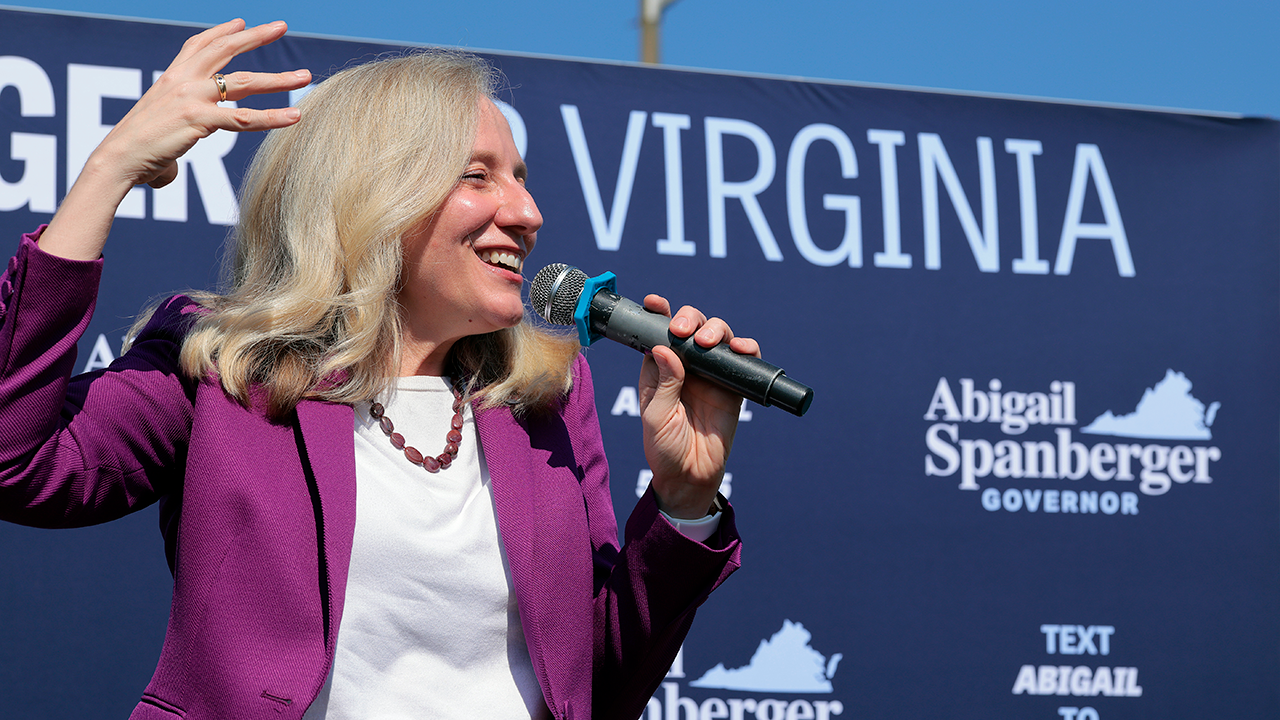
Virginia Governor Abigail Spanberger is facing unprecedented criticism from within her own Democratic Party after vetoing 31 bills passed by the Democratic-controlled state legislature. The record-breaking veto spree has created a bitter divide between the governor and fellow Democrats who argue her actions undermine the party's legislative agenda and voter mandates.
Spanberger, who considers her approach moderate and pragmatic, has defended her vetoes as necessary checks on legislative overreach. However, Democratic lawmakers and party activists have accused her of abandoning core party principles and blocking popular initiatives that voters supported in recent elections. The confrontation represents one of the most significant intra-party conflicts in Virginia's recent political history.
The vetoed legislation spans a range of Democratic priorities, from criminal justice reform and environmental protection to workers' rights and social programs. Democratic legislators have expressed frustration that their efforts to advance the party's platform are being systematically blocked by their own governor. Some have suggested that Spanberger's actions could damage Democratic prospects in future elections by confusing voters about the party's positions.
Spanberger's supporters argue that her measured approach reflects the political reality of governing a purple state where moderate positions appeal to swing voters. They contend that the governor is protecting Virginia Democrats from taking positions that could prove politically damaging in future campaigns. This pragmatic view clashes sharply with progressive activists who believe the party should use its current power to advance bold reforms.
The conflict has broader implications for the Democratic Party's direction in Virginia and other swing states. Spanberger's approach reflects an ongoing tension between progressive activists who want to push ambitious policies and moderate politicians who prioritize electoral viability. As Virginia remains a key battleground state, the outcome of this intra-party dispute could influence Democratic strategy nationwide and affect the party's ability to maintain unified governance.