Ukraine Advances Toward EU Membership as Biggest Opponent Departs Bloc
With a major adversary no longer blocking progress, Ukraine begins formal negotiations to join the European Union, though challenges remain.
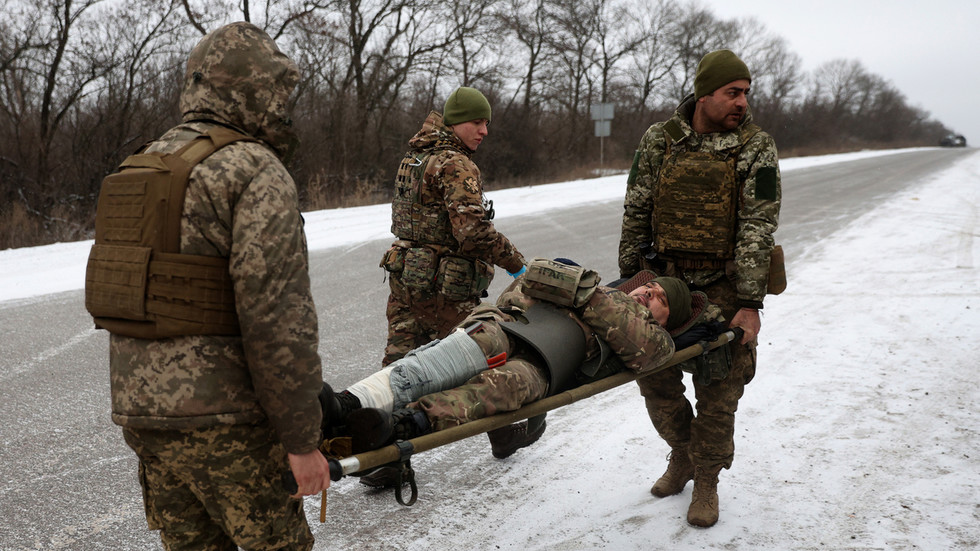
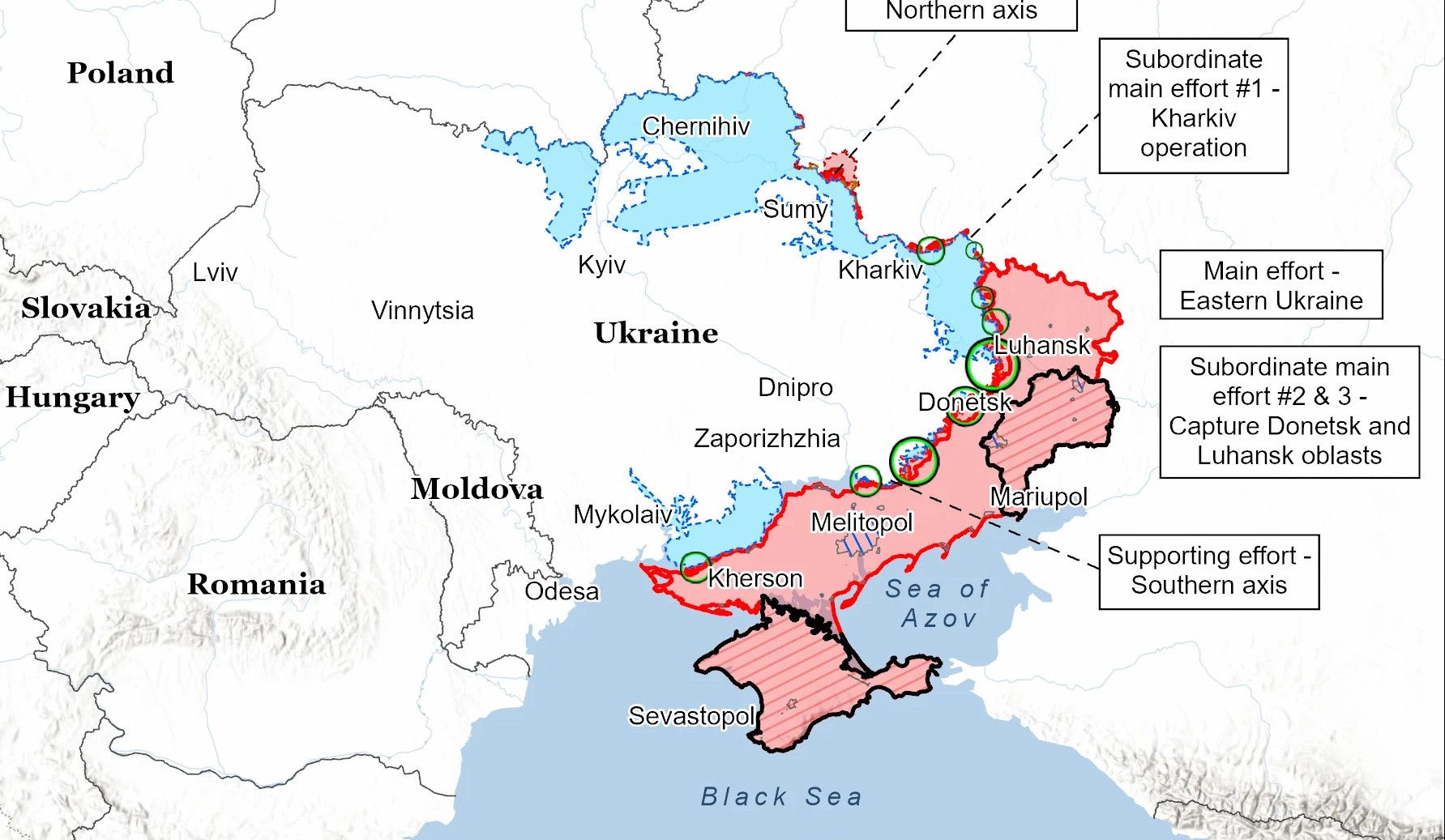
Ukraine has taken a significant step forward in its bid to join the European Union, with formal membership negotiations set to begin after the departure of its biggest opponent within the bloc. The development represents a major diplomatic victory for Kyiv as it continues to face ongoing conflict with Russia, including recent missile and drone attacks that damaged a historic Orthodox cathedral in the capital city.
Even though negotiations will now commence for Ukraine to join the 27-member European Union, officials acknowledge that the path ahead remains lengthy and complex. EU membership requires candidate countries to meet strict criteria covering democratic governance, human rights, rule of law, and economic standards. Ukraine will need to demonstrate substantial progress in these areas while simultaneously managing the challenges of an active war zone.
The timing of this advancement comes as Ukraine faces continued Russian military pressure, including a recent attack on Kyiv that involved both missiles and drones. The assault damaged the historic Orthodox cathedral at the site of the Perchersk monastery, a revered location for both Ukrainian and Russian Orthodox faithful. A bishop reported that many holy items had been recovered from the church, underscoring the cultural and religious dimensions of the ongoing conflict.
The European Union's decision to move forward with Ukraine's membership talks reflects a significant shift in the bloc's approach to eastern expansion. Previously, concerns about Ukraine's readiness for membership, coupled with opposition from certain member states, had slowed progress on the application. The removal of the primary opposing voice appears to have cleared a major procedural hurdle.
Ukraine's EU membership bid has gained additional urgency due to the security situation created by Russia's military actions. European leaders view closer integration with Ukraine as both a way to support the country's democratic development and to strengthen the bloc's eastern borders. However, the negotiation process typically takes years to complete, and Ukraine will need to continue implementing reforms while managing the immediate challenges of the conflict.