India's Hindu Nationalists Embrace 17th-Century Warrior King as New Symbol
Statues of Shivaji are rising across India as the Maratha empire founder becomes a powerful icon for Hindu right-wing movements reshaping the country.
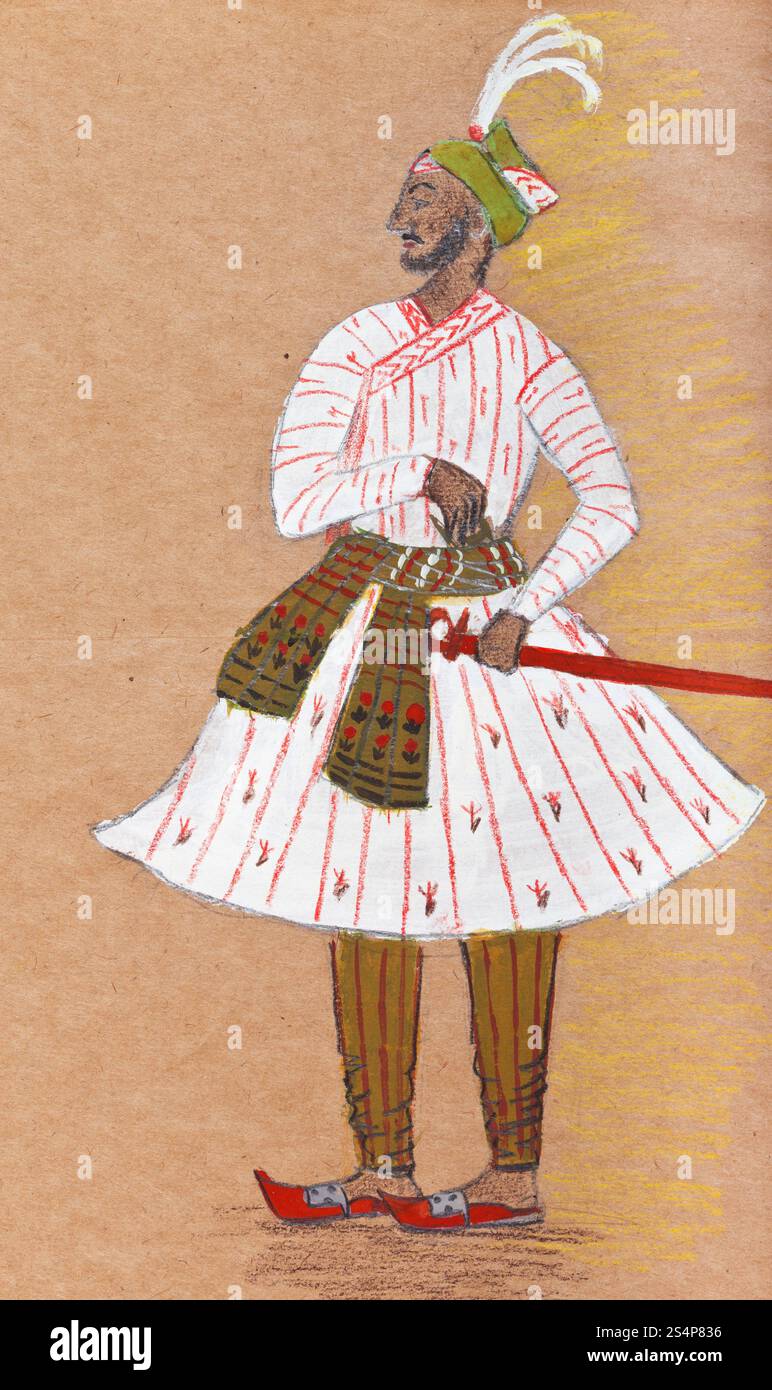
Across India, statues of a 17th-century warrior king are appearing with increasing frequency as Hindu nationalist movements embrace Shivaji as a potent symbol of their vision for the country's future. The founder of the Maratha empire, who successfully fought against the Mughal dynasty centuries ago, has been transformed into a modern political icon representing Hindu resistance to Muslim rule and foreign influence.
Shivaji Bhonsle, who lived from 1630 to 1680, established an independent Maratha kingdom in western India through military campaigns against the Mughal Empire. His successful resistance to Mughal expansion has made him an attractive figure for contemporary Hindu nationalist groups seeking historical precedents for their political agenda. The proliferation of Shivaji statues and monuments reflects the growing influence of Hindu right-wing ideology in Indian politics and culture.
The elevation of Shivaji coincides with broader efforts by Hindu nationalist organizations to reinterpret Indian history through a religious lens. These groups emphasize stories of Hindu resistance to Muslim rulers while downplaying periods of cooperation and cultural synthesis. Shivaji's image as a defender of Hindu dharma against Islamic conquest resonates powerfully with supporters of Hindutva ideology who view contemporary India through similar religious and cultural frameworks.
The statue campaign represents more than simple historical commemoration. Local communities and political organizations are using Shivaji monuments to assert Hindu identity and territorial claims in religiously diverse areas. The installations often generate controversy in regions with significant Muslim populations, where residents view them as attempts to establish Hindu dominance and marginalize minority communities.
This historical appropriation reflects the broader transformation of Indian national identity under Hindu nationalist influence. By elevating medieval Hindu rulers like Shivaji while diminishing the contributions of Muslim leaders and the Mughal period, these movements seek to create a narrative of continuous Hindu civilization under threat from foreign elements. The proliferation of Shivaji statues serves as visible markers of this reimagined national story and the political movement working to institutionalize it across India.