Illinois Passes Historic AI Safety Bill Requiring Third-Party Audits
The groundbreaking legislation goes beyond California and New York regulations, mandating independent safety assessments for America's largest AI companies.
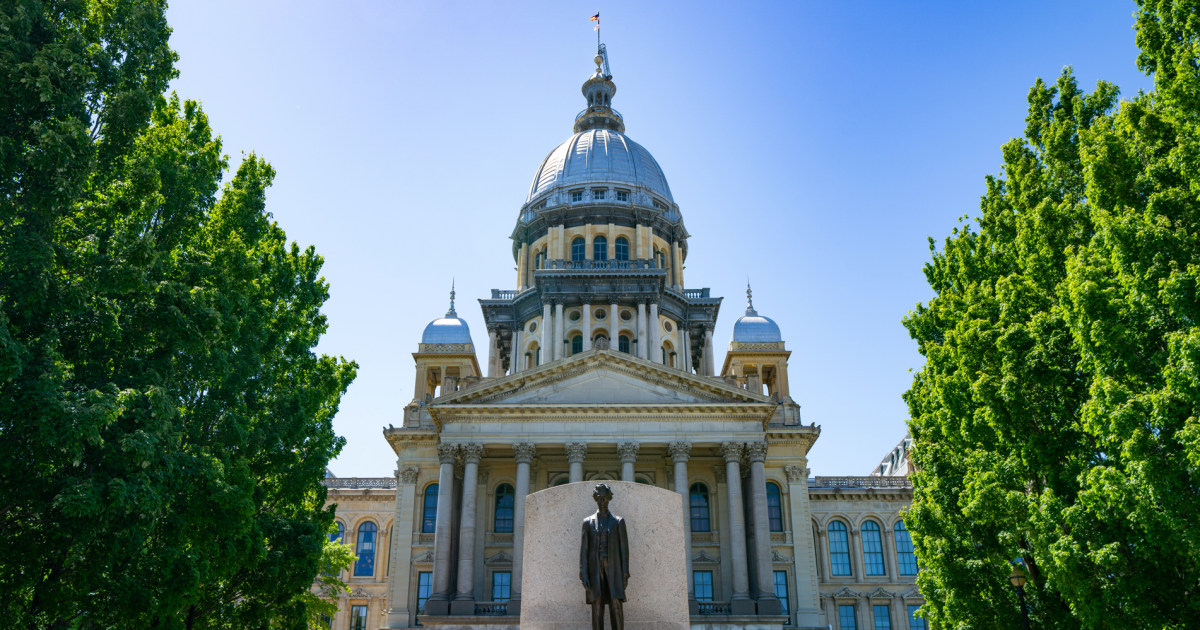
The Illinois Legislature has passed landmark artificial intelligence legislation that would require the nation's largest AI companies to undergo mandatory third-party safety audits, establishing the most comprehensive AI regulatory framework in the United States. The historic measure goes significantly beyond existing legislation in California and New York, potentially setting a new national standard for AI oversight and accountability.
The bill mandates that major AI developers submit their systems to independent security assessments before deployment, with particular focus on models that could pose risks to public safety, privacy, or democratic institutions. Companies would be required to demonstrate that their AI systems meet specific safety benchmarks and undergo regular re-evaluation as their capabilities expand. The legislation also establishes civil penalties for companies that deploy AI systems without proper safety certification.
Supported by a bipartisan coalition in the Illinois General Assembly, the measure represents a significant shift in how states approach AI regulation. Unlike previous legislation that focused primarily on disclosure requirements or narrow use-case restrictions, the Illinois bill takes a comprehensive approach to AI safety that addresses the technology's rapid development and potential risks across multiple sectors.
The legislation still requires approval from Governor J.B. Pritzker, who has not yet indicated whether he will sign the measure. Industry groups have expressed concerns about the potential costs and complexity of mandatory third-party audits, arguing that such requirements could stifle innovation and place Illinois companies at a competitive disadvantage compared to firms operating in less regulated jurisdictions.
If signed into law, the Illinois legislation could influence AI regulation nationwide, as other states consider similar measures and federal lawmakers debate comprehensive AI governance frameworks. The bill's emphasis on independent safety assessments reflects growing concerns among policymakers about the rapid advancement of AI technology and the need for robust oversight mechanisms to prevent potential harms while preserving innovation incentives.