Gas Tax Suspension Talks Heat Up as Prices Near $5 Per Gallon
One state has already suspended its gas tax while Trump administration considers federal action amid Iran conflict.
As national gas price averages surge toward $5 per gallon due to the ongoing conflict with Iran, President Donald Trump and his Cabinet are actively discussing suspending federal gas taxes, according to administration sources. The discussions come as at least one state has already taken unilateral action to provide relief to drivers facing rapidly escalating fuel costs.
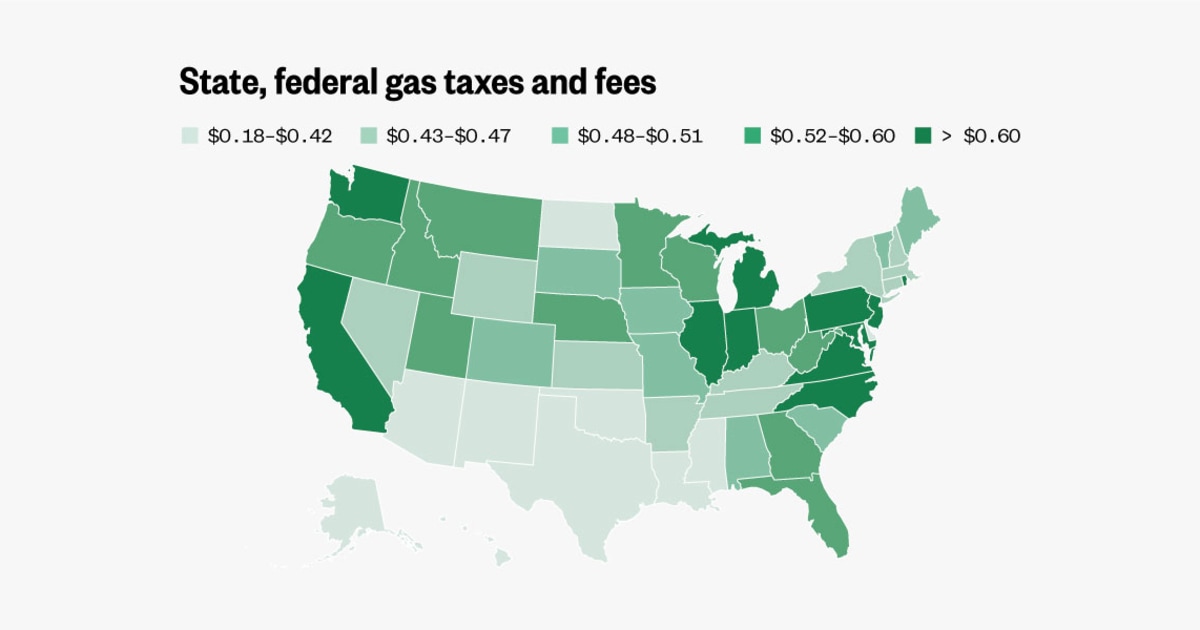
The federal gas tax currently adds 18.4 cents per gallon to the cost of gasoline across all 50 states, representing a significant component of pump prices during a time of economic strain. State gas taxes vary considerably across the country, with some states imposing additional levies that can add 50 cents or more per gallon to local prices. The combined federal and state tax burden has become a focal point for politicians seeking to provide immediate relief to constituents.
The Iran conflict has severely disrupted global oil markets, with the closure of the Strait of Hormuz now entering its fourth month. This critical shipping lane normally handles approximately 20% of the world's petroleum transit, and its extended blockade has created supply shortages that are rippling through gasoline markets worldwide. The situation has pushed fuel prices to levels not seen since previous Middle Eastern conflicts.
Trump administration officials are weighing the economic benefits of temporary tax relief against the potential loss of revenue that funds federal highway maintenance and infrastructure projects. The federal gas tax generates approximately $35 billion annually for the Highway Trust Fund, which finances road construction and repair projects across the nation. A suspension could provide immediate relief but would require alternative funding sources for critical infrastructure work.
The political pressure for action is mounting as Americans face what many economists describe as an effective tax on economic mobility. High gas prices disproportionately affect lower-income families and rural communities where driving longer distances is often necessary for work and daily activities. With midterm elections approaching, both parties are seeking to demonstrate responsiveness to voters struggling with elevated transportation costs that show little sign of abating while the Iranian conflict continues.