Former Google CEO Eric Schmidt Booed During AI Graduation Speech
University of Arizona commencement turns contentious as students and families express frustration with tech industry leadership.
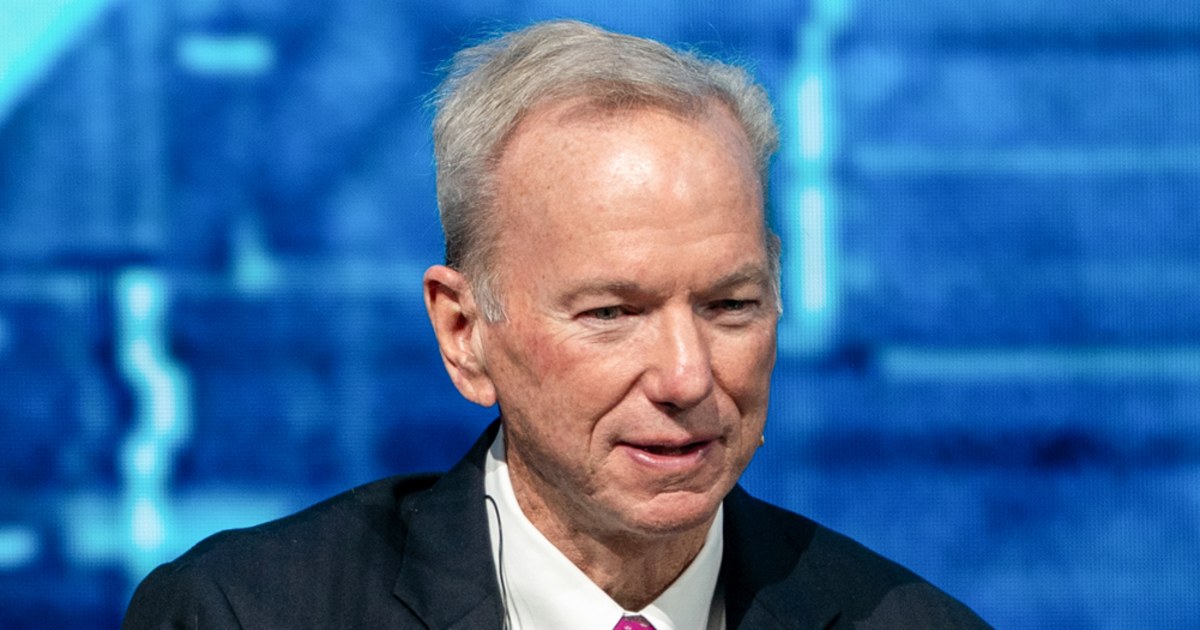
Former Google CEO Eric Schmidt faced an unusually hostile reception during a commencement address at the University of Arizona, where audience members repeatedly booed and jeered as he discussed artificial intelligence and its impact on society. The contentious scene reflected growing public skepticism toward major tech leaders and their role in developing AI technologies that many believe could displace workers and concentrate economic power among a small number of technology companies.
Schmidt, who led Google from 2001 to 2011 and remained executive chairman until 2017, had been invited to deliver the keynote address to graduating students and their families. However, his remarks about AI's potential benefits and the need for responsible development were met with audible disapproval from sections of the audience. Some attendees shouted questions about job displacement and tech industry accountability, disrupting the traditional ceremonial atmosphere of the graduation event.
The hostile reception comes as public opinion toward major technology companies and their executives has soured in recent years. Schmidt and other tech leaders have faced increased scrutiny over issues including data privacy, market concentration, and the societal impacts of AI development. Many Americans express concern that AI technologies will eliminate jobs while primarily benefiting wealthy technology executives and shareholders rather than ordinary workers and families.
University officials attempted to maintain order during the speech, but the disruptions continued throughout Schmidt's remarks. Some graduating students later said they felt the choice of Schmidt as commencement speaker was tone-deaf given widespread concerns about AI's impact on employment and the concentration of technological power among former Google executives and other tech industry leaders. The university has not commented on whether it will reconsider its speaker selection process for future ceremonies.
The incident highlights the challenging public relations environment facing major technology companies as they continue to develop and deploy AI systems. While tech leaders often emphasize the potential benefits of artificial intelligence, including improved healthcare and scientific research, many Americans remain skeptical about whether these technologies will ultimately benefit society broadly or primarily serve the interests of technology companies and their investors.