AMD's Radeon RX 9070 GRE Disappoints as Graphics Card Market Faces Shrinkflation
The $549 graphics card delivers underwhelming performance improvements, highlighting how tech companies are offering less value for higher prices.
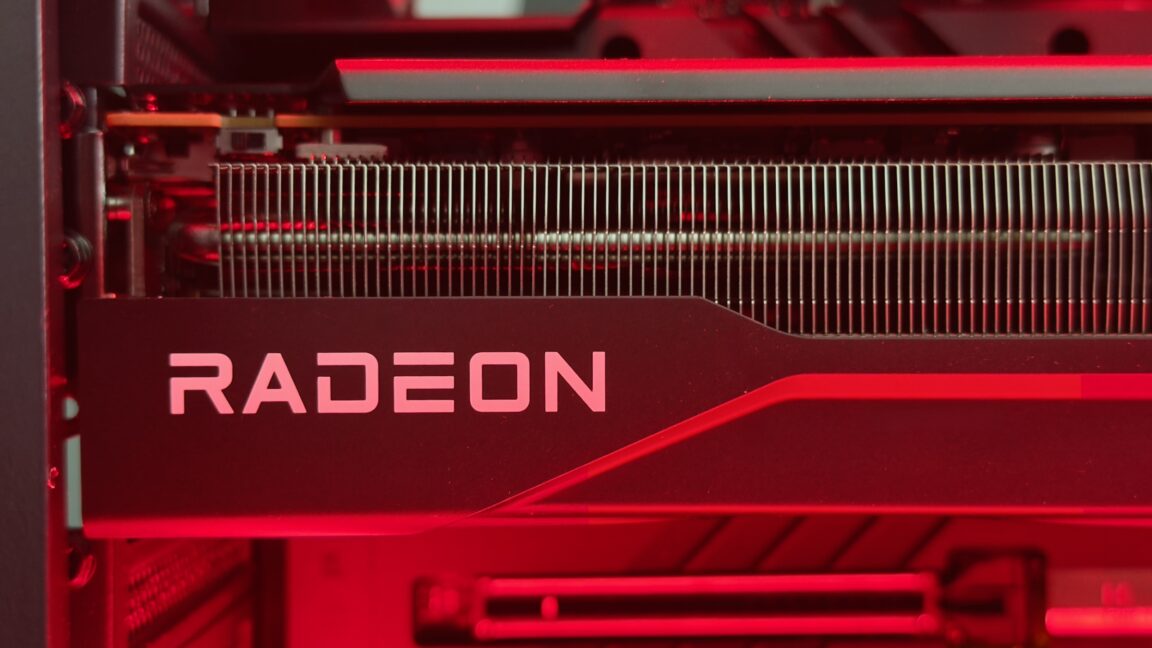
AMD's latest graphics card offering, the Radeon RX 9070 GRE, has arrived to widespread disappointment among tech enthusiasts and industry analysts, with the $549 price point delivering performance gains that many reviewers describe as insufficient to justify the cost. The graphics card represents a concerning trend in the technology sector where companies are increasingly offering marginal improvements at premium prices, a phenomenon some observers are comparing to the shrinkflation affecting consumer goods where package sizes shrink while prices remain constant or increase.
The RX 9070 GRE was positioned by AMD as a significant upgrade over previous generation cards, but extensive testing by hardware review sites has revealed performance improvements that fall short of expectations, particularly when considering the substantial price increase over comparable previous-generation options. Gaming benchmarks show only modest frame rate improvements in most titles, while power consumption and heat generation remain concerns that limit the card's appeal to both enthusiast builders and mainstream consumers looking for meaningful upgrades.
Industry analysts point to the RX 9070 GRE's reception as indicative of broader challenges facing the graphics card market, where development costs have increased dramatically while competition has intensified between AMD and NVIDIA. The semiconductor industry's ongoing struggles with manufacturing costs and supply chain complexities have contributed to a pricing environment where consumers are paying more for incremental rather than revolutionary improvements. This dynamic has created frustration among PC builders who have grown accustomed to more substantial generational leaps in graphics performance.
The disappointing launch comes at a critical time for AMD, which has been working to regain market share from NVIDIA in the high-performance graphics segment. The company's strategy of offering competitive alternatives at lower price points has been undermined by the RX 9070 GRE's positioning, as many potential customers are questioning whether the performance gains justify the investment compared to existing options or waiting for future releases that might offer better value propositions.
Tech reviewers and industry commentators have used the RX 9070 GRE launch to highlight what they see as a troubling trend across the technology sector, where companies are leveraging strong demand and limited competition to charge premium prices for products that offer only marginal improvements over previous generations. This approach risks alienating core customer bases and could potentially slow adoption of new graphics technologies as consumers become more selective about upgrade cycles. The lukewarm reception of AMD's latest offering suggests that even in a market with limited competition, consumers are becoming increasingly sophisticated about evaluating price-to-performance ratios and are willing to delay purchases when value propositions are unclear.