AMD Extends Socket AM5 Support Through at Least 2029
The chip maker commits to long-term platform stability while its older AM4 socket refuses to die, giving consumers more upgrade flexibility.
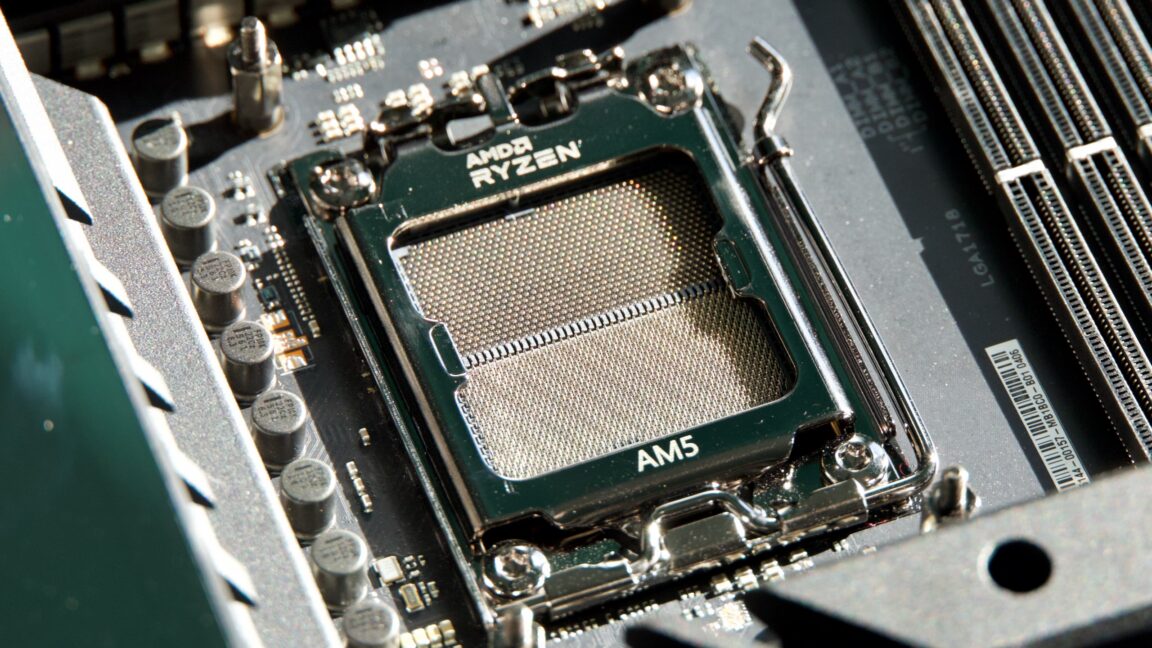
Advanced Micro Devices has announced that it will extend support for its Socket AM5 platform through at least 2029, providing consumers and system builders with long-term stability and upgrade flexibility for their computing investments. The commitment represents a significant extension of the platform's lifespan and demonstrates AMD's confidence in the socket's ability to accommodate future processor generations.
Socket AM5, which launched as AMD's latest mainstream desktop platform, was designed to support the company's newest processor architectures and advanced features including DDR5 memory and PCIe 5.0 connectivity. The extended support timeline means that users who invest in AM5 motherboards today can expect to upgrade their processors multiple times over the next several years without needing to replace their entire systems.
The announcement comes as AMD's older Socket AM4 platform continues to receive new processor releases, defying expectations that it would be quickly phased out. AM4's longevity has become one of AMD's key selling points, as the socket has supported multiple generations of processors since its introduction. This approach contrasts with some competitors who have required more frequent platform changes, forcing consumers to replace motherboards and other components more often.
Industry analysts view AMD's platform stability as a competitive advantage that has helped the company gain market share in both consumer and enterprise markets. By maintaining socket compatibility across multiple processor generations, AMD reduces the total cost of ownership for users and makes system upgrades more economical. This strategy has been particularly appealing to enthusiasts and businesses who want to maximize their hardware investments.
The extended AM5 support timeline also provides motherboard manufacturers with greater certainty for their product development cycles. With a clear roadmap extending to 2029, companies can invest in more advanced motherboard designs and features knowing that the platform will remain relevant for years to come. This stability benefits the entire ecosystem of component manufacturers and system integrators who build products around AMD's platforms.