U.S. Death Toll From Strikes on Alleged Drug Boats Tops 200 as Legal Challenges Mount
A military campaign launched in September has killed more than 200 people in the Caribbean and eastern Pacific. Families and legal experts say the strikes lack any plausible legal basis.
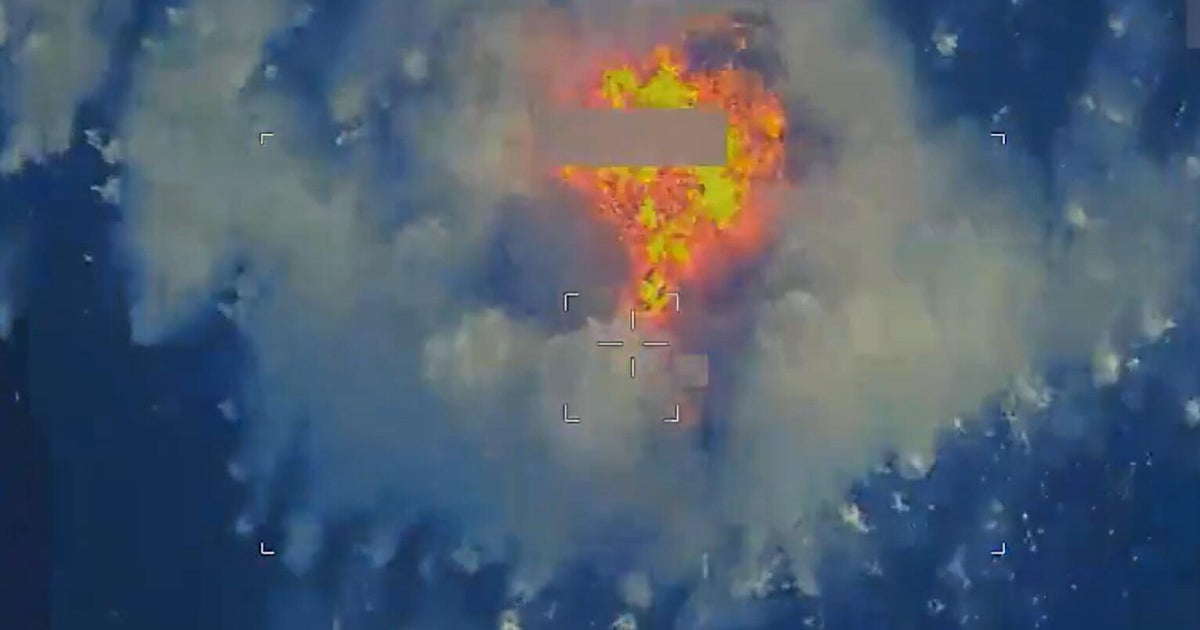
The death toll from U.S. military strikes on boats the Trump administration says are carrying drugs has climbed above 200, according to officials, as the unprecedented campaign draws intensifying scrutiny over its legality and effectiveness.
The strikes began in September off Venezuela's Caribbean coast and expanded into the eastern Pacific in October. The deadliest stretch came that same month, when at least 45 people were killed, and most of this year's strikes have taken place in Pacific waters. The latest attack killed three people and was the fourth strike in a single week, underscoring the rapid tempo of an operation that has become a defining feature of the administration's hard-line counternarcotics posture.
President Trump has characterized the campaign as an 'armed conflict' against 'narco-terrorists,' framing the boat crews as enemy combatants rather than criminal suspects. But the administration has offered little public evidence to support its claims about who was aboard the vessels or what they were carrying, and legal scholars across the political spectrum have questioned whether the strikes can be justified under domestic or international law.
The legal challenges are now reaching the courts. The families of two Trinidadian men killed in a U.S. missile strike on a boat in the Caribbean have sued the Trump administration in federal court, arguing that the 'premeditated and intentional killings lack any plausible legal justification.' Critics also question the operation's strategic logic, pointing out that the fentanyl behind tens of thousands of fatal U.S. overdoses is overwhelmingly trafficked overland from Mexico rather than by sea.
On-the-ground reporting has cast further doubt on the administration's account. The Associated Press visited a coastal region of Venezuela from which some of the suspected boats had departed and identified four men killed in the strikes. In interviews, relatives and neighbors described the dead as mostly laborers or fishermen who said they were paid around $500 a trip. As the body count rises, lawmakers in both parties have begun pressing for answers about the rules of engagement, the intelligence behind the targeting, and whether the campaign is lawful at all.
The campaign has also deepened tensions with Venezuela, whose coastal waters have been a frequent staging ground for the targeted vessels, and has prompted a growing number of lawmakers to invoke the War Powers Resolution in demanding a clearer legal rationale. Pentagon officials have defended the strikes as lawful actions against trafficking networks they say threaten American lives, but they have declined to release the underlying intelligence or detailed accounts of individual operations. With the death toll now surpassing 200 and lawsuits advancing through the courts, the dispute is shaping up as a defining test of how far a president can stretch wartime authority against non-state actors at sea.